
Fumaric acid is found in many natural places. People can obtain fumaric acid from mushrooms, lichens, mosses, and some fruits. This organic acid is present in Boletus mushrooms, lichen species, fumitory, and Iceland moss, as shown below:
| Organism Type | Specific Examples |
|---|---|
| Mushrooms | Boletus fomentarius var. pseudo-igniarius |
| Lichens | Lichen species |
| Fruits | Fumitory (Fumaria officinalis) |
| Mosses | Iceland moss |
Many companies extract fumaric acid in factories for foods, animal feed, and pharmaceuticals. NORBIDAR is a trusted company that makes high-quality fumaric acid.
Key Takeaways
- Fumaric acid is found in mushrooms, lichens, mosses, and some fruits like apples and grapes.
- This organic acid is important for human metabolism. It helps turn food into energy. It also protects cells from stress.
- Natural and synthetic fumaric acid have the same chemical properties. Both are used in food, medicine, and many industries.
- Eating foods with fumaric acid can make food taste better. It can also give health benefits. This makes it a good part of your diet.
- Sunlight and temperature can change how much fumaric acid plants and fungi make.
Natural sources of fumaric acid
Bolete mushrooms and fungi
Fumaric acid is found in some fungi. Scientists check how much fumaric acid is in bolete mushrooms.
Boletus edulis and Imleria badia have fumaric acid. The amount changes by where they grow. These fungi make fumaric acid as they live. People find this compound in wild mushrooms from forests.
Lichens and Iceland moss
Lichens and Iceland moss are also natural sources of fumaric acid. Iceland moss, called Cetraria islandica, has many organic acids. Fumaric acid is one of them.
Lichens grow on rocks and tree bark. They use fumaric acid to protect themselves and store water. Iceland moss is used in old remedies because of its acids.
Fruits and vegetables with fumaric acid
Fumaric acid is also in fruits and vegetables. Apples, grapes, and carrots are common sources.
These foods have small amounts of fumaric acid. The acid makes some fruits taste tart. Eating these foods gives people the benefits of fumaric acid.
Fumaric acid in human metabolism
Fumaric acid is important in the human body. It is made during the TCA cycle. This cycle helps cells turn food into energy.
Fumaric acid is used in many industries. It is found in materials, food, and medicine.
The body makes fumaric acid as part of its energy system. This acid helps protect cells from stress. Human skin can make fumaric acid when in sunlight. Fumaric acid is found in plants, fungi, and is important for people too.
How fumaric acid is found in nature
Biological role in organisms
Fumaric acid does many jobs in living things. Plants and fungi use it for energy and to stay safe. The table below lists what fumaric acid does:
| Function Type | Description |
|---|---|
| Antibacterial and Antifungal | Fumaric acid stops bacteria and fungi from growing. This keeps plants and mushrooms healthy. |
| Energy Metabolism | It is a big part of the TCA cycle. The TCA cycle helps cells make energy. |
| Nutrient Absorption | Fumaric acid helps living things take in vitamins A and D. |
Fumaric acid goes into the TCA cycle. There, it turns into malate and helps make ATP. ATP is the energy that cells use. It also works in the urea cycle. Fumaric acid helps control iron in the body. Some fungi use fumaric acid to fight bad bacteria.
Natural production and concentration
Many living things make fumaric acid in different ways. For example:
- Rhizopus species make fumaric acid with the TCA cycle.
- Some fungi use the reductive TCA cycle. This can double how much fumaric acid comes from glucose.
- Fermentation in fungi and plants can also make fumaric acid.
The amount of fumaric acid in nature is not always the same. For example, the lichen Usnea aurantiaco-atra has between 2.12 and 13.11 mg/g. Fumaric acid can build up in mushrooms, lichens, and fruits because of its chemical traits.
Environmental factors affecting fumaric acid
Things like sunlight can change how much fumaric acid is in plants and fungi. Human skin can make more fumaric acid when it gets sunlight. Fruits like papayas, pears, and plums can have more or less fumaric acid. This depends on sunlight, temperature, and soil. The seasons can change how much fumaric acid is in macroalgae and plants. Fermentation can also change the amount made in fungi and plants. Temperature and light matter too.
Tip: Sunlight and the environment help decide how much fumaric acid natural sources can make.
Notable Fumaric Acid Examples and Significance
Edible mushrooms and lichens
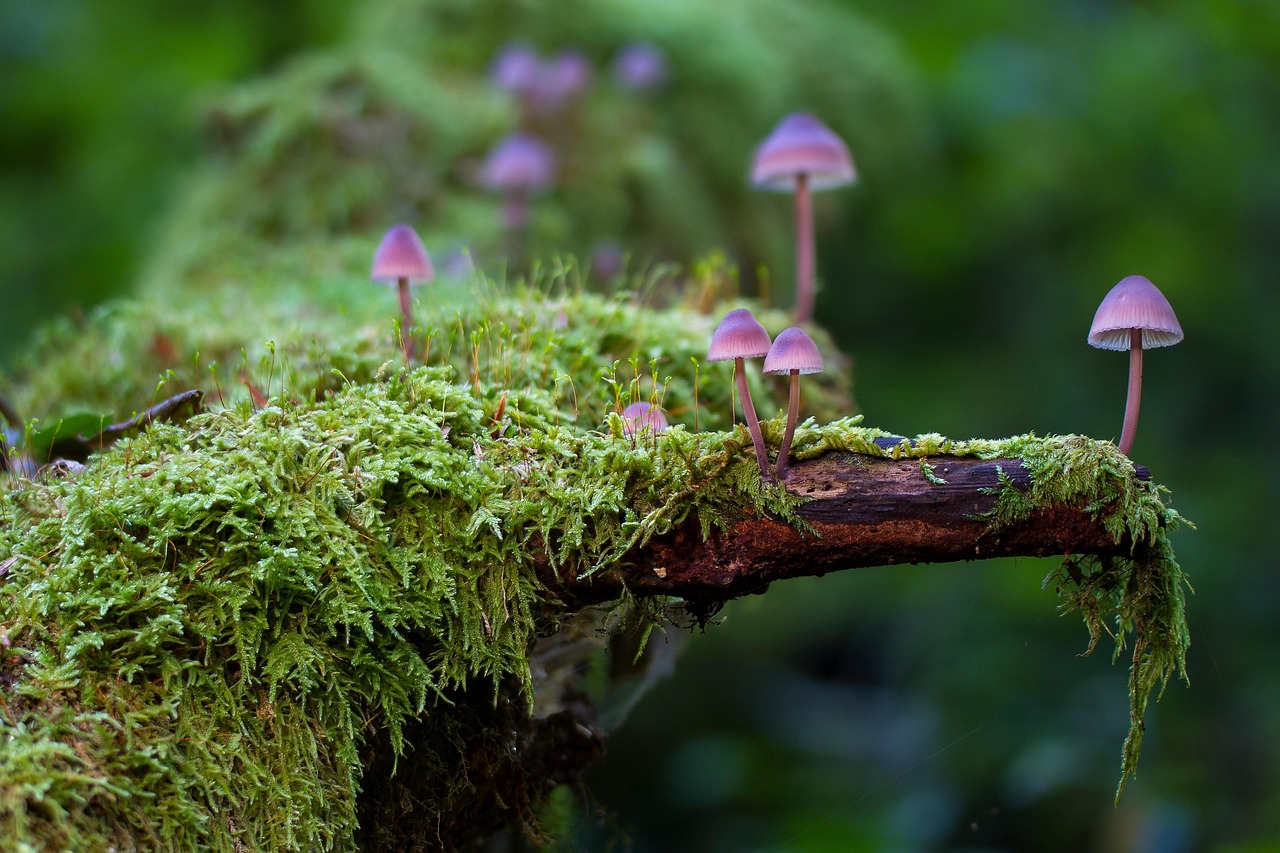
Lots of edible mushrooms and lichens have fumaric acid. These living things are important for nature and people’s food. Some well-known sources are:
- Fumitory
- Bolete mushrooms
- Lichen
- Iceland moss
Bolete mushrooms grow in forests. They help break down old plants. Lichens like Iceland moss can live in tough places. People have eaten these for food and used them as medicine for a long time. Fumaric acid in these mushrooms and lichens keeps away bacteria and fungi. This acid also makes some taste a little sour.
Fruits with high fumaric acid
Fruits have fumaric acid too, but the amount is different. Some fruits have more than others.
Grape berries can have a lot or a little fumaric acid. Apples and berries have it too, but the amount changes by type and place. How much acid is in fruit depends on where and how it grows. For example, cornelian cherry has much more acid than wild strawberry. Fumaric acid helps make fruits taste tart.
Ecological importance of fumaric acid
Fumaric acid is good for nature and people. It helps plants and fungi fight off bad germs. This acid is also part of how living things get energy. When people and animals eat foods with fumaric acid, it helps their health. Farmers and food makers like these foods for their nutrition and to keep food fresh.
Fumaric acid helps keep nature balanced by making plants healthy and soil better.
Fruits, mushrooms, and lichens with fumaric acid help many living things. They give food to animals and people. They also help keep the environment healthy.
Comparing natural and synthetic fumaric acid
Production methods and purity
Fumaric acid comes from two main ways. One way is from things like mushrooms, lichens, and fruits. The other way is by making it in factories with chemicals or fermentation. Both ways make fumaric acid that looks the same. The purity is the same for both types. They work the same in food and medicine.
- Both natural and synthetic fumaric acid have the formula C4H4O4.
- Their chemical properties and uses are the same.
- Food and medicine makers use either kind.
Making fumaric acid needs to be safe and good quality. Companies follow strict rules to keep it pure. They check quality, follow laws, and store it safely.
| Method | Description |
|---|---|
| Regulatory Compliance | Companies follow FDA and EFSA rules for food and medicine. |
| Quality Control Measures | Factories use careful steps and check pH levels. |
| Environmental Regulations | Producers handle chemicals and waste safely. |
| Storage and Handling Protocols | Good storage keeps fumaric acid clean and safe. |
Industrial uses and NORBIDAR’s role
Fumaric acid is used in many industries. NORBIDAR gives high-quality fumaric acid for different jobs. The company uses new technology to help customers.
| Application Sector | Description |
|---|---|
| Food and Beverage | Adds tart taste and keeps drinks, juices, and candy fresh. |
| Pharmaceuticals | Used in medicine for psoriasis and other health problems. |
| Polymer Production | Helps make strong resins for cars and buildings. |
| Textile Industry | Makes dye colors better in fabrics. |
| Paper Manufacturing | Improves paper surface and printing. |
| Printer Toner Production | Makes fine powder for printers and copiers. |
| Renewable Energy Production | Helps with green methods like microbial fermentation. |
NORBIDAR is a trusted company. It gives good fumaric acid for food, animal feed, and factories.
Environmental and consumer considerations
People care about health and the planet. Many want foods with simple, natural ingredients. Fumaric acid is safe and useful for these needs. Makers use eco-friendly ways to meet what people want.
| Trend | Impact |
|---|---|
| Shift to natural ingredients | More use of fumaric acid in foods. |
| Clean-label products | Fumaric acid helps brands get more buyers. |
| Eco-friendly production | More people want green manufacturing. |
People want safe, natural, and plant-based products. Fumaric acid helps with vegetarian diets and clean foods. Companies like NORBIDAR make high-quality fumaric acid in green ways.
Tip: Picking products with fumaric acid can help your health and the environment.
Fumaric acid is found in lots of plants, lichens, and fungi. These sources are important for food, health, and nature.
- Many plants, lichens, and fungi have this compound.
- It gives foods and drinks a sour taste and more flavor.
- Man-made fumaric acid helps keep food fresh and controls sourness.
NORBIDAR uses new ways to make very pure fumaric acid. People get benefits from both natural and factory-made fumaric acid.
FAQ
What foods naturally contain fumaric acid?
Fumaric acid is in some fruits like apples and grapes. Berries also have fumaric acid. Mushrooms, especially bolete mushrooms, contain it too. Lichens such as Iceland moss have fumaric acid. These foods taste tart because of this acid.
Is fumaric acid safe to eat?
Most people can safely eat fumaric acid in food. Food makers use it to keep food fresh and sour. Health groups in many countries say it is safe.
How does the body use fumaric acid?
The body makes fumaric acid during the TCA cycle. Cells use it to turn food into energy. It also helps protect cells from stress.
What is the difference between natural and synthetic fumaric acid?
Both types have the same chemical structure and work the same. Natural fumaric acid comes from plants and fungi. Synthetic fumaric acid is made in factories for food and medicine.
Why do companies use fumaric acid in products?
- Fumaric acid makes foods and drinks taste tart.
- It helps keep foods and drinks fresh.
- It improves animal feed and some medicines.