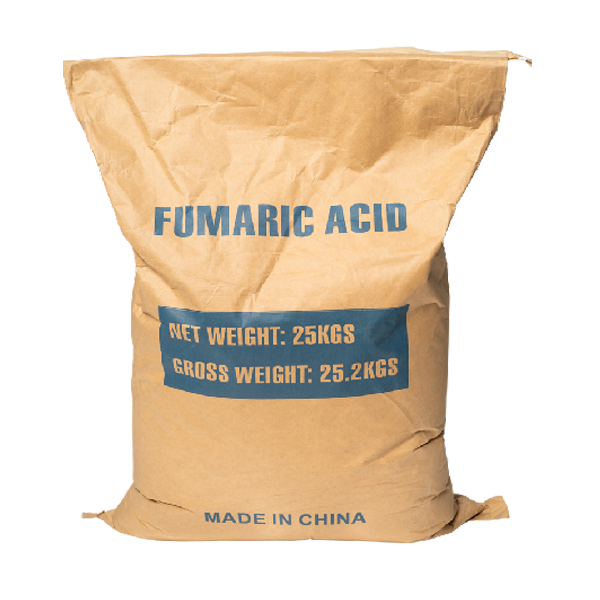
The global fumaric acid market reached $718 million in 2024, reflecting its current market size. Market share is significant for industry stakeholders as it indicates steady industrial growth, reveals the increasing demand for fumaric acid in food additives and resins, and highlights its expanding applications in the pharmaceutical and cosmetic industries.
Key Takeaways
- The global fumaric acid market has been growing year by year, reaching a market size of US$808.4 million in 2024. Experts predict that the market size will reach US$1.09 billion by 2029. Food and beverage companies are the main users of fumaric acid, consuming 65% of global production. Fumaric acid helps improve the taste of food and extend its shelf life. The Asia-Pacific region is the main production and consumption area for fumaric acid, primarily due to the region’s greater demand for food and beverages and a growing emphasis on health.
Fumaric Acid Market Overview
Global Market Share
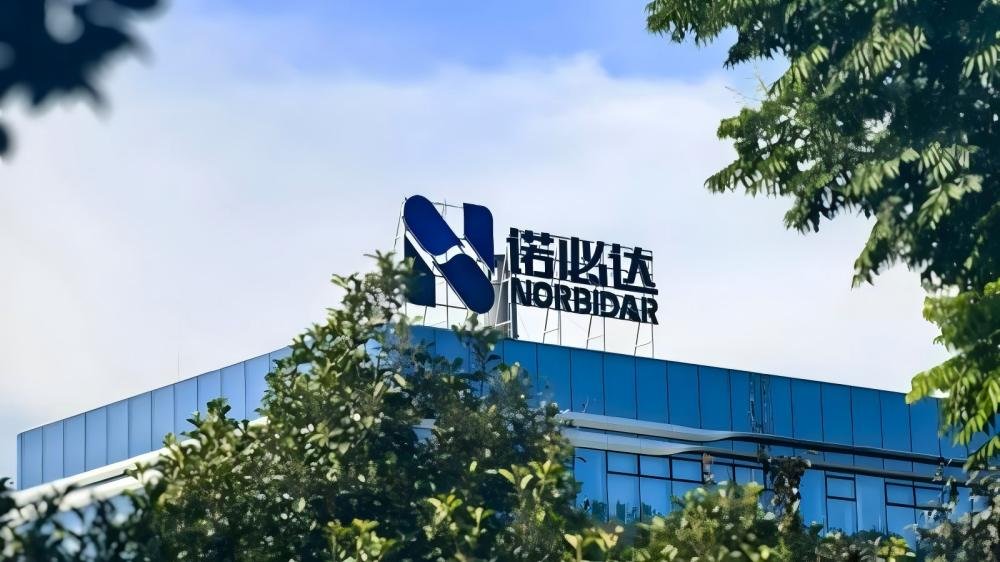
NORBIDAR is a major producer of fumaric acid. The company uses a specialized process to produce a pure product. NORBIDAR’s annual production capacity reaches 30,000 tons, meeting global demand.
The fumaric acid market continues to grow. From 2020 to 2024, the market size increased by 4.8%, reaching $808.4 million in 2024. In 2023, the market size was $561.5 million.
The Asia-Pacific region accounts for over 35% of both global fumaric acid consumption and production. This region contributes significantly to market growth.
The table below shows recent market changes:
NORBIDAR is committed to producing high-quality fumaric acid. The company manufactures food-grade and beverage-grade products to meet industry demands.
Main Application Areas
Fumaric acid is widely used in numerous industries. The food and beverage industry is its primary application area. The pharmaceutical industry uses fumaric acid to treat diseases such as psoriasis and multiple sclerosis.
The cosmetics industry uses fumaric acid to make products gentle and soothing for the skin. The animal nutrition industry uses fumaric acid to help animals maintain health and improve feed intake. The chemical industry uses fumaric acid to produce products such as resins and coatings.
The table below lists how different industries use fumaric acid:
| Industry | Contribution to Market Share |
|---|---|
| Food and Beverages | Uses the most because of high standards and good results. |
| Pharmaceuticals | Grows steadily by using it in medicine for chronic diseases. |
| Cosmetics | Uses more for new personal care products. |
| Chemicals | Grows by using it in making other products. |
NORBIDAR uses innovative processes to produce high-quality fumaric acid. The company prioritizes environmental protection and is committed to developing new products. These advantages enable Nobita to maintain its leading position in the industry.
Regional Market Distribution
North America
North America accounts for approximately 20% of the global fumaric acid market share. People here continue to purchase fumaric acid. This growth is driven by several factors: food and beverage companies use fumaric acid for preservation and acidity control; pharmaceutical companies need it to treat chronic diseases; builders use industrial-grade fumaric acid in plastics and resins; health-conscious consumers seek “clean label” foods; and online shopping helps small manufacturers sell their products. The United States is the largest user of fumaric acid in the region. Canada and Mexico also have significant fumaric acid consumption.
Europe
Europe accounts for approximately 15% of the global market share. This region is growing at a slower pace than the Asia-Pacific and North American regions. Germany, France, Italy, and the Netherlands are the main markets. The table below shows the size and growth rate of the European market:
| Region | Market Value (2013) | Growth Rate |
|---|---|---|
| Europe | Over USD 60 million | Below average growth |
| Asia-Pacific | Exceeding USD 250 million | High growth |
| North America | Second largest market | N/A |
Asia Pacific Region
The Asia Pacific region consumes more than half of the world’s fumaric acid. Several factors contribute to this rapid growth. The food and beverage industry is expanding rapidly. The region now has a large population with strong purchasing power. Demand for convenience foods is also higher than ever before. India and China have significantly boosted market growth. The Indian government has invested heavily in infrastructure development. China’s annual production of packaged foods is also steadily increasing. The Asia Pacific region is the largest consumer of fumaric acid in the food and beverage industry.
Market Drivers and Competition
Demand Factors
Many industries require fumaric acid. The food and beverage industry uses it the most. Companies add fumaric acid to improve the taste of food and extend its shelf life. The demand for simple, natural foods is driving companies to use more fumaric acid. Food companies in Asia and South America are growing rapidly. More people are consuming vegan and plant-based foods, meaning they need more fumaric acid.
Farmers are also using more fumaric acid to feed their animals. They want to feed their animals without antibiotics. Fumaric acid helps keep animals healthy and is also beneficial to the environment. Studies have shown that fumaric acid can reduce methane emissions from cattle, thus helping to combat climate change. Many countries allow farmers to use fumaric acid in organic animal feed, providing new sales opportunities for businesses.
Other industries also use fumaric acid. The pharmaceutical and cosmetic industries use it for the research and development of new products. These industries are also booming as the demand for better medicines and personal care products continues to grow.
Relevant regulations help companies use fumaric acid in food, animal feed, and other products, making its use safer and easier.
Major Manufacturers
Many companies around the world produce fumaric acid. The following table lists some major manufacturers and their main businesses:
| Company Name | Country | Estimated Annual Capacity (metric tons) | Market Focus |
|---|---|---|---|
| Yancheng Huaou Industry Co., Ltd. | China | 80,000 | Food, polymers, animal nutrition, exports |
| Shandong Fengyuan Chemical Co., Ltd. | China | 55,000 | Technical-grade, resins |
| Polynt SpA | Italy | N/A | Specialty chemicals, composites |
| Isegen South Africa | South Africa | N/A | Food processors, industrial customers |
| Thirumalai Chemicals Ltd. | India | N/A | Food, pharmaceuticals, Asia markets |
| Fuso Chemical Co., Ltd. | Japan | N/A | High-purity, pharmaceutical, specialty chemicals |
Fumaric Acid Market Trends
Recent Changes
The fumaric acid market has undergone significant changes in the past two years. More and more people need fumaric acid for medical purposes, particularly for autoimmune diseases. Plant-based foods are also increasingly using fumaric acid because it can improve the taste of food.
| Date | Development |
|---|---|
| January 2023 | Bartek Ingredients started building a big plant in Canada to make more and lower pollution. |
| Ongoing | More use in medicine for autoimmune diseases. |
| Ongoing | More plant-based foods use it to taste better. |
| Ongoing | More companies use bio-based ways to help the planet. |
Fumaric acid is taking up more of the market and changing the chemical industry.
- Food, medicine, and bioplastics help it grow.
- More people in Asia Pacific and Latin America want it.
- Companies spend money to make it in greener ways.
FAQ
Which industries use fumaric acid the most?
Food and beverage companies are the largest users. The pharmaceutical, animal nutrition, and resin industries also use fumaric acid extensively.
How is the fumaric acid market growing?
The global fumaric acid market grows by approximately 5% annually. Experts believe that demand for fumaric acid will continue until at least 2030.
Who are the major producers of fumaric acid?
| Company Name | Region |
|---|---|
| NORBIDAR | Global |
| Yancheng Huaou | China |
| Polynt SpA | Europe |