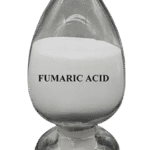
The heat of combustion of fumaric acid is -319.3 kcal/mol or -1336.0 kJ/mol. This value represents the energy released when one mole of fumaric acid burns in oxygen. Scientists and businesses use this value to measure energy and improve production processes. Fumaric acid is widely used in food, pharmaceuticals, plastics, animal feed, and cosmetics. The table below lists the heats of combustion of fumaric acid and its similar compounds.
Key Takeaways
- The heat of combustion of fumaric acid is -1336.0 kJ/mol. This value represents the energy released when it burns. Fumaric acid has a trans configuration, which makes it more stable than maleic acid. Therefore, it releases less energy when burned. Many industries use fumaric acid, such as food preservation, animal nutrition, and pharmaceuticals. Fumaric acid is chosen because of its stable properties and good energy characteristics. Calorimetry and chemical equations are important methods for measuring the heat of combustion. These methods help people accurately measure energy. Understanding the heat of combustion helps companies select safe and effective product materials.
Detailed Explanation of Fumaric Acid Heat of Combustion
What is the heat of combustion?
The heat of combustion refers to the energy released when one mole of fumaric acid burns in oxygen. Scientists call this the enthalpy of combustion. A standard enthalpy of combustion helps compare the energy of different substances. For organic compounds like fumaric acid, this value reflects the stability of the molecule and the energy it contains.
The table below shows how the structure of a compound affects its heat of combustion:
| Compound | Structure Type | Stability | Heat of Combustion |
|---|---|---|---|
| Fumaric Acid | Trans | More stable | Releases less energy |
| Maleic Acid | Cis | Less stable | Releases more energy |
Fumaric acid has a trans configuration, which makes it more stable. Due to this stability, fumaric acid releases less energy when burned compared to maleic acid. The standard heat of combustion for fumaric acid is -319.3 kcal/mol or -1336.0 kJ/mol. Scientists use this value to calculate the energy released when fumaric acid is burned.
Why is the heat of combustion of fumaric acid so important?
The heat of combustion of fumaric acid is significant for many reasons. It helps scientists and businesses understand how much energy can be extracted from fumaric acid. This information is extremely useful in the food, feed, pharmaceutical, and chemical industries.
NORBIDAR is dedicated to producing high-quality fumaric acid. The company uses special methods to ensure the purity and safety of its products. The stability of fumaric acid (reflected in its low heat of combustion) helps maintain the freshness and safety of food. It also contributes to animal nutrition and makes resins more suitable for production.
The following are the main uses of fumaric acid in different industries:
- NORBIDAR provides fumaric acid for food safety, animal nutrition, and resin manufacturing.
- The stability of fumaric acid helps extend the shelf life of products and ensure their safety.
- The heat of combustion of fumaric acid is closely related to its robust structure, making it widely applicable.
The table below lists how fumaric acid is used in different industries:
| Sector | Application |
|---|---|
| Food | Used as a food additive, acidulant, preservative, and pH regulator. Makes drinks and baked goods taste better. |
| Feed | Makes feed better and helps animal health. |
| Pharmaceuticals | Used in medicines for psoriasis and multiple sclerosis. |
| Chemicals | Used in making unsaturated polyester resins for coatings and plastics. |
The heat of combustion of fumaric acid helps companies select suitable raw materials. Standard enthalpy of combustion also aids scientists in their research and development. By understanding these values, various industries can produce safer and higher-quality products.
Measuring Standard Enthalpy of Combustion
Calorimetry methods
Scientists use calorimetry to determine the heat released when fumaric acid burns. They place a specific amount of fumaric acid into a bomb calorimeter, a special container filled with oxygen. They then ignite the sample. Combustion releases energy, which heats the water surrounding the container. Scientists calculate the energy released by combustion by measuring the temperature change of the water.
The calorific value of fumaric acid is -1336.0 kJ/mol. This means that one mole of fumaric acid releases 1336.0 kilojoules of energy when completely burned. Calorimetry allows scientists to compare the energy content of different substances. It also helps companies select the most suitable materials for their products.
Calculating Enthalpy Using Chemical Equations
Scientists can also calculate the enthalpy of combustion using chemical equations and Hess’s Law. This method utilizes known enthalpy values from other reactions.
To obtain the enthalpy of combustion, scientists use the standard enthalpy values of carbon dioxide and water. Hess’s Law states that the total enthalpy change is the sum of the enthalpy changes of all steps. The difference between these two values represents the energy change when one substance is transformed into another.
This method helps scientists understand how molecular structure affects its energy. Calorimetry and chemical equations can provide crucial information about the combustion of fumaric acid.
Fumaric Acid and Related Compounds
Comparison with Maleic Acid
Scientists like to compare fumaric acid and maleic acid. These two substances have almost the same molecular formula, but their molecular configurations differ. Fumaric acid is trans-configured, while maleic acid is cis-configured. This subtle difference leads to differences in their properties, including stability and the energy released during combustion.
The table below lists their differences:
| Property | Maleic Acid | Fumaric Acid |
|---|---|---|
| Stability | Less stable due to intramolecular hydrogen bonding | More stable due to lack of such bonding |
| Heat of combustion | −1355 kJ/mol | 22.7 kJ/mol lower than maleic acid |
| Melting point | 135 °C | 287 °C |
| Solubility | More soluble in water | Less soluble in water |
Fumaric acid releases less energy when burned because its molecular structure makes it more stable. Converting maleic acid to fumaric acid requires energy, meaning fumaric acid is more difficult to convert and therefore more stable. Maleic acid has a higher heat of combustion, thus releasing more energy when burned.
Factors Affecting the Heat of Combustion of Fumaric Acid
Many factors affect the heat of combustion of fumaric acid:
- Purity: Higher sample purity results in a more accurate enthalpy value. The energy value may change if other substances are present.
- Preparation Methods: NORBIDAR uses biosynthesis and chromatography to prepare fumaric acid. These methods help produce fumaric acid with stable quality and a stable heat of combustion.
- Molecular Structure: The trans conformation of fumaric acid makes it more stable. This stable conformation means it releases less energy than maleic acid.
- Isomerization: The conversion of maleic acid to fumaric acid requires 23.2 kJ/mol of energy. This indicates that fumaric acid is more stable and releases less energy.
Scientists choose fumaric acid when they need a highly stable substance. Its lower heat of combustion makes it valuable in the food, animal feed, and pharmaceutical industries.
The heat of combustion of fumaric acid is -1336.0 kJ/mol. This value tells us the energy released when fumaric acid burns. Scientists measure this energy using calorimetry and chemical equations. Many companies use this information to produce safe and effective products.
- Food manufacturers add fumaric acid to keep food fresh.
- Animal feed companies use it to help animals stay healthy.
- Pharmaceutical companies use it to produce better drugs.
- Understanding the heat of combustion helps companies choose the right raw materials for their products.
FAQ
What does the heat of combustion of fumaric acid mean?
The heat of combustion tells us the energy released when fumaric acid burns. Scientists use this value to compare different substances. This helps them choose the best raw materials for food, animal feed, and chemicals.
How do companies use the heat of combustion of fumaric acid?
Companies use this value to test whether a substance is energy-efficient and safe. Food manufacturers use fumaric acid to keep food fresh. Animal feed manufacturers use it to help animals stay healthy. Chemical companies use it to produce high-strength resins.
Why is fumaric acid more stable than maleic acid?
Fumaric acid exists in the trans configuration. This configuration makes it more stable. Therefore, it releases less energy when burned than maleic acid.
Does the heat of combustion change with purity?
Yes! If fumaric acid is highly pure, the heat of combustion measurement will be more accurate. If it is contaminated with other substances, the heat of combustion will change.
Which industries will benefit most from Nobida’s fumaric acid?
| Industry | Benefit |
|---|---|
| Food | Food lasts longer and tastes better |
| Animal Feed | Animals get healthier |
| Pharmaceuticals | Medicines stay stable |
| Chemicals | Resins and plastics get stronger |