Fumaric acid in bread helps it last longer and taste better. It also enhances the texture, making the bread feel nicer when you eat it. Bakers utilize fumaric acid to control the sourness of the bread, which aids in managing yeast and speeds up the baking process. NORBIDAR provides high-quality fumaric acid to bakeries all over the world. This organic compound prevents mold growth and keeps bread fresh, ensuring it stays good for longer. Scientists have studied these benefits:
| Functional Benefit | Description |
|---|---|
| Acidity Regulation | Keeps pH steady so yeast works well and stops bad tastes. |
| Fermentation Control | Makes yeast grow faster and helps bubbles form. |
| Quality Improvement | Enhances dough texture and elasticity. |
| Preservation | Lowers pH so germs cannot grow, ensuring bread remains fresh. |
| Cost Reduction | Reduces the need for baking soda and replaces expensive sour ingredients. |
Bakeries choose fumaric acid because it is effective and safe.
Key Takeaways
- Fumaric acid helps bread stay fresh. It stops mold from growing. It keeps bread from going bad.
- This ingredient makes bread taste better. It makes bread softer. It improves how bread feels and tastes.
- Bakers use fumaric acid to control acidity. This helps yeast work better. It also helps bread rise well.
- Using fumaric acid can save money. It can replace other costly ingredients. It can also replace expensive preservatives.
- Fumaric acid is safe to eat. Bakeries trust it all over the world. It is a good choice for making bread.
The effects of fumaric acid on bread
Acidity Regulation & Fermentation
Fumaric acid helps keep the dough’s acidity just right. It keeps the pH between 5.8 and 6.2. This is the best range for yeast to grow. Yeast grows faster and makes more bubbles in this range. Fumaric acid helps bakers get the same results every time. When the pH stays steady, yeast works well and makes the bread rise. Fumaric acid also stops bad tastes from forming if the dough gets too sour or not sour enough. It is not as strong as citric acid, so it gives bread a gentle sour taste that is not harsh.
NORBIDAR’s fumaric acid helps bakers control pH easily. Bakers use between 0.05% and 0.15% in bread. This helps control carbon dioxide when the dough rises, making fermentation better.
Flavor & Texture Enhancement
Fumaric acid gives bread a strong, lasting sour flavor. This makes the bread taste fresh and more acidic. It is very important in rye and sourdough breads. Fumaric acid helps break down proteins and starches. This makes the bread softer and helps it rise higher. It also slows down staling and stops germs from growing.
- Fumaric acid makes dough stronger and more stretchy. This helps bread rise better and makes the inside softer.
- Encapsulated fumaric acid reacts slowly with baking soda. This traps more gas in the dough, making bread lighter and fluffier.
- Keeping gas in the dough makes the inside even. The dough is easier to handle and shape.
- Fumaric acid’s mild taste lets bakers mix it with other acids without changing the bread’s flavor.
NORBIDAR’s fumaric acid gives all these benefits, so many bakeries use it. Bakers see that their dough is easier to work with and has more holes inside. This makes the bread better. Fumaric acid also helps bread last longer and keeps its nutrition.
Tip: Bakers who use fumaric acid can make bread that tastes, feels, and stays fresh the same way every time. This ingredient works for both small and big bakeries.
Shelf life and preservation of fumaric acid
Mold Inhibition
Fumaric acid helps keep bread safe from mold. Bakers mix fumaric acid into dough. This lowers the pH so mold cannot grow well. Bread stays fresh for a longer time. Many bakeries use fumaric acid because it works with small amounts. It does not change how bread tastes or feels.
| Preservative | Shelf Life (Days) |
|---|---|
| Dimethyl Fumarate | 23 |
| Calcium Propionate | 12 |
| Average Increase | 11 |
Bread with fumaric acid stays fresh almost twice as long. This is compared to bread with calcium propionate. The table below shows how much is needed to stop mold:
| Preservative | Effective Concentration (g/kg flour) | Equivalent Shelf Life (g/kg CP) |
|---|---|---|
| Dimethyl Fumarate (DMF) | 0.16 – 0.32 | 1.28 |
| Calcium Propionate (CP) | N/A | N/A |
Bakers use less preservative with fumaric acid. They still get better results.
Natural Preservative Benefits
Fumaric acid is a natural preservative for bread. Bakers pick fumaric acid because it stops germs from growing. It keeps bread safe to eat. Bakers use 0.3% to 0.7% of flour weight. This amount keeps bread fresh and keeps quality high. Fumaric acid also makes dough softer and improves structure.
Many bakers like fumaric acid because it works in old and new recipes. Artisan bakeries use it to keep bread fresh without fake chemicals. Commercial bakeries use it for steady results and longer shelf life. Fumaric acid is a good way to keep bread safe.
Note: Fumaric acid gives natural protection from spoilage. It is a smart choice for bakers who want safe and high-quality bread.
Leavening Optimization with Fumaric Acid
Chemical Leavening Role
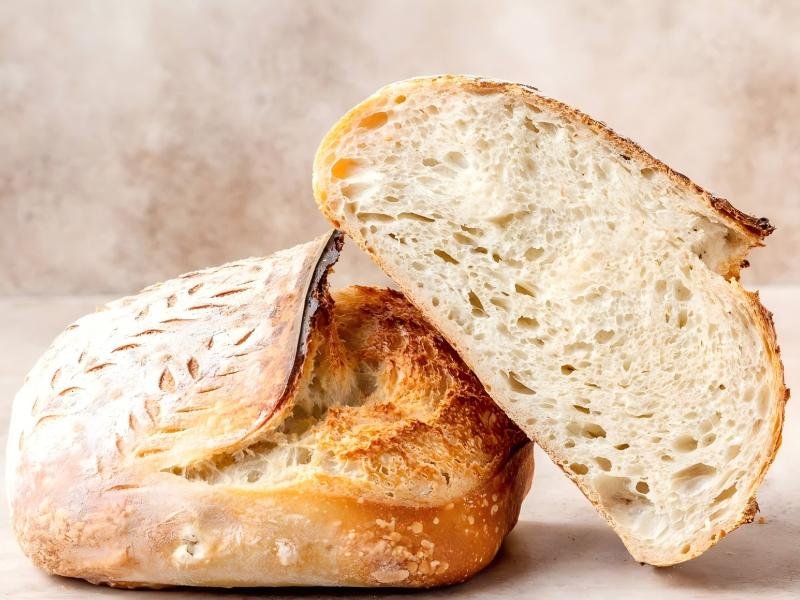
Fumaric acid in chemical leavening for bread is important. It reacts with baking soda to make carbon dioxide gas. This gas makes small bubbles in the dough. These bubbles help bread become lighter and have more holes. Bakers use fumaric acid instead of cream of tartar in some recipes. It is a strong organic acid that helps control acidity and pH. Fumaric acid has a higher neutralizing value than cream of tartar. This means it works faster and better. Encapsulated fumaric acid reacts later, so bakers can control when it works.
| Baking Acid | Neutralizing Value (NV) | Reaction Rate | Application Notes |
|---|---|---|---|
| Fumaric acid | 145 | Very fast | Organic acid, improves aeration, must be encapsulated for proper performance |
| Cream of tartar | 45 | Fast | Traditional acidulant, less strong |
Fumaric acid acts as an acidulant in bread. It makes the flavor better and helps the dough. It also stops germs from growing, so bread lasts longer. Fumaric acid keeps the dough steady when mixing and baking.
Bakers pick fumaric acid because it gives the same good results and makes bread better.
Dough Handling & Porosity
Fumaric acid makes dough easier to work with and gives it more holes. It softens the dough, so kneading and shaping are easier. This means bakers spend less time mixing and can make more bread. Fumaric acid dissolves slowly, so bakers can control how long the dough rises and how the bread turns out. English muffins and other breads are lighter and have more holes when bakers use fumaric acid.
- Fumaric acid helps leavening by making carbon dioxide, so the bread crumb is lighter.
- It makes dough easier to handle.
- The acid gives bread more holes, which is good for English muffins.
- Fumaric acid adds flavor, especially in sourdough and rye breads.
Bakers see that bread with fumaric acid tastes a little sour and feels soft and airy. The dough is easy to shape and rises evenly. These things make fumaric acid useful for all kinds of bakeries.
Tip: Adding fumaric acid to bread recipes helps bakers get the same texture and flavor every time. It also helps bakeries work faster and better.
Uses of maleic acid and fumaric acid
Food Safety & Regulations
Fumaric acid is a safe food additive for bread. Many countries allow its use in bread making. The U.S. FDA says fumaric acid is Generally Recognized as Safe (GRAS). JECFA and the European Union also say it is safe for food. These groups have strict rules for food safety.
| Regulatory Agency | Approval Status | Safety Limit |
|---|---|---|
| U.S. FDA | GRAS | No upper limit specified |
| JECFA | ADI ‘not specified’ | No evidence of harm at high intake |
| EU | Approved as E297 | Approved for food use |
Scientists have checked fumaric acid and found it safe in bread. The FDA and EFSA both say people can eat it safely. Research shows fumaric acid helps with flavor and sourness. It does not hurt people when used in bread. Bakers can use it without worry.
Note: Fumaric acid fits clean label trends. It is a natural acid that meets what shoppers want in safe, simple foods.
Why Bakers Choose Fumaric Acid
Bakers like fumaric acid for many reasons. It works well as a leavening acid and needs less to react with baking soda. This means bakers get good rise and texture using smaller amounts. Fumaric acid gives a clean sour taste that is not too strong. It does not soak up water, so it is good for rye and sourdough breads.
| Property | Description |
|---|---|
| Leavening Effect | Effective leavening acid, needs less to react with sodium bicarbonate |
| Clean Sourness | Gives persistent, clean sourness without being too acidic |
| Non-Hygroscopic | Suitable for artisan bread mixes, does not absorb moisture |
NORBIDAR sells high-quality fumaric acid that helps make better bread. Bakers trust NORBIDAR because they use new technology and care about the environment. Their fumaric acid helps bakeries use clean labels and be more eco-friendly. Bio-based methods lower pollution, and packaging can be recycled.
Bakers also save money. Food-grade fumaric acid costs less than other additives. This makes it a smart pick for all bakeries, big or small.
Tip: Microencapsulation helps control when fumaric acid works in dough. This keeps yeast safe and gives the best taste and texture.
Fumaric acid helps bread stay fresh and taste good. It also makes the bread softer. Bakers use fumaric acid because it keeps bread safe to eat. NORBIDAR gives bakeries good fumaric acid that fits clean-label rules. People think bread with fumaric acid is safer and better.
- Bread lasts longer
- Bread tastes and feels better
- Bread is safer to eat
Picking bread with good ingredients like fumaric acid means people get safer and tastier bread.
FAQ
What does fumaric acid do in bread?
Fumaric acid keeps bread fresh and tasty. It also helps bread rise better. Bakers use it to control how sour the bread is. It makes the bread feel softer and nicer.
Is fumaric acid safe for bread?
Food safety groups say fumaric acid is safe in bread. NORBIDAR’s fumaric acid follows strict rules. People can eat bread with fumaric acid and not worry.
How much fumaric acid do bakers use?
Bakers add between 0.05% and 0.15% to dough. This small amount helps bread rise and last longer.
Can fumaric acid replace other bread additives?
Fumaric acid can take the place of cream of tartar. It can also replace some other preservatives. It works well with baking soda and helps bread get fluffy.
Tip: Bakers pick fumaric acid because it gives the same good results and keeps bread fresh longer.