
Fumaric acid, as an excipient, effectively controls acidity. It enhances food flavor and helps maintain freshness. Fumaric acid imparts a pleasant taste to a variety of products. It is widely used in the food, pharmaceutical, animal feed, and personal care industries. Fumaric acid functions as both an acidifier and a preservative, imparting acidity to food while stabilizing pH levels. NORBIDAR provides high-quality fumaric acid that meets industry standards.
Key Takeaways
- Fumaric acid helps control the acidity of food and improves its taste. This makes it a useful food ingredient. It also has preservative properties. Fumaric acid helps extend the shelf life of food and prevents bacterial growth. It also improves product texture and helps maintain product stability. This is highly beneficial for the food and pharmaceutical industries. Using fumaric acid can help businesses save costs because it requires less dosage compared to other acids, such as citric acid. Fumaric acid is safe for consumption, and relevant regulations ensure its safe and reliable application in the food and pharmaceutical fields.
Main Functions of Fumaric Acid

Acidity Regulation
Fumaric acid helps control the acidity of food. It is widely used in the food, beverage, pharmaceutical, and animal feed industries. This acid imparts a rich sour taste to food and maintains pH stability. Food manufacturers use fumaric acid to ensure food safety and freshness. In the pharmaceutical industry, it helps maintain drug stability. Feed rich in fumaric acid promotes healthier and more vigorous animal growth.
Fumaric acid is approximately 1.5 times more acidic than citric acid. This means that companies only need a small amount of fumaric acid to achieve the same sour taste effect. Reducing the amount used not only saves costs but also allows for better control of acidity.
The table below lists the applications of fumaric acid in different fields:
| Application Area | Benefits |
|---|---|
| Food and Beverage | Adds sour taste, makes food last longer, and keeps it safe. |
| Animal Nutrition | Keeps pH steady and helps animals grow and stay healthy. |
| Pharmaceuticals | Controls pH and keeps medicine fresh. |
| Paints and Coatings | Makes products stronger and last longer. |
Fumaric acid ensures product safety and stability. It’s important because it controls the acidity of many products.
Flavor and Texture Enhancement
Fumaric acid improves the taste of food and beverages. It imparts a rich sour flavor to food, making it more enjoyable to eat. Food manufacturers use it in sour beverages, fresh bread, and confectionery. It also helps food retain its color and flavor for longer.
The table below lists the effects of fumaric acid on different foods:
| Food Type | Benefits of Fumaric Acid |
|---|---|
| Beverages | Makes drinks taste more sour and controls acid |
| Baked Goods | Helps bread stay fresh and strong |
| Confectionery | Adds sour flavor and better texture |
| Processed Foods | Makes food taste better and last longer |
| Dry Mixes | Stops clumps and keeps out water |
| Dairy Products | Balances acid and makes texture smooth |
| Cured Meats | Keeps pH right and meat fresh |
Fumaric acid improves the taste of food and helps maintain its freshness by lowering the pH level. It is a beneficial food additive because it enhances the flavor and quality of food.
Preservation and Extended Shelf Life
Fumaric acid helps extend the shelf life of food. It inhibits the growth of harmful bacteria, thus ensuring food safety and freshness. Food manufacturers use it in sauces, jams, pickles, and other foods. Studies have shown that fumaric acid inhibits bacteria in cucumber juice, making it an effective natural preservative.
Fumaric acid prevents food spoilage and helps protect human health. It enables businesses to produce foods with longer shelf lives.
Here are some examples of fumaric acid usage in foods:
| Food Product | Concentration (grams/kg) |
|---|---|
| Bread | 0.8 to 1.2 |
| Maximum permissible amount | 3 |
| Soft drinks and juices | 0.3 to 0.6 |
| Confectionery and flavored beverages | 1.0 |
Fumaric acid helps maintain food freshness and safety, ensuring excellent food quality.
Texture and Stability
Fumaric acid improves the taste and appearance of food and pharmaceuticals. It helps maintain the elasticity of bread dough and keeps dairy products smooth. It also prevents dry powder mixtures from clumping and maintains moisture balance. In the pharmaceutical field, the form of fumaric acid affects its efficacy and shelf life.
- Fumaric acid can be crystalline or amorphous, which affects its solubility and stability.
- Fats and surfactants can affect the role of fumaric acid in products.
- Fumaric acid helps control the release rate of drugs and packaging effectiveness.
Fumaric acid enhances product quality and reliability, playing a stabilizing and efficient role in many industries.
Fumaric Acid as a Food Additive
Role in Food and Beverages
Fumaric acid is a powerful food additive. It helps keep food fresh and controls acidity. Many companies use it in beef, bread, beverages, vegetables, tortillas, and chewing gum. This additive imparts a sour taste to food and extends its shelf life. Fumaric acid inhibits the growth of bacteria and mold, making it highly trusted in the food industry.
- Fumaric acid helps beef stay fresh longer.
- Bread and cakes remain soft and less prone to spoilage.
- Beverages taste better and have a longer shelf life.
- Tortillas remain soft and easy to roll.
- Chewing gum acquires a pleasant sour taste.
Comparison with Other Acidulants
Fumaric acid differs from other acidifiers, such as citric acid. It lowers pH more effectively and imparts a more lasting sour taste. Only a small amount of fumaric acid is needed to achieve the same effect. This saves costs for food manufacturers. The table below shows a comparison of fumaric acid and citric acid:
| Aspect | Fumaric Acid | Citric Acid |
|---|---|---|
| pH Control | Lowers pH well, strong buffer | Weaker buffer near pH 3.0 |
| Sourness | Long-lasting, needs less for effect | Needs more for same sourness |
| Cost Efficiency | 2 lbs replace 3 lbs in jams/jellies | Needs more, costs more |
Fumaric acid helps bread and cakes retain their flavor and texture. It works well without requiring many additives.
Applications in Food Processing
Fumaric acid offers numerous advantages in food production. It helps extend shelf life, maintain flavor, and save costs. Bakers use it to keep bread and cakes soft. In tortillas, it prevents mold growth and keeps them easy to roll for weeks.
One study showed that embedded fumaric acid effectively controls mold. It keeps tortillas soft and easy to roll for extended periods. This solves the problem of tortillas hardening and becoming unusable. People don’t want tortillas to crack or tear.
Bread and cakes remain soft and less prone to tearing. Fumaric acid allows bakers to reduce the use of artificial preservatives. This helps maintain clear food labels and high food quality.
Applications Beyond Food
Animal Nutrition Benefits
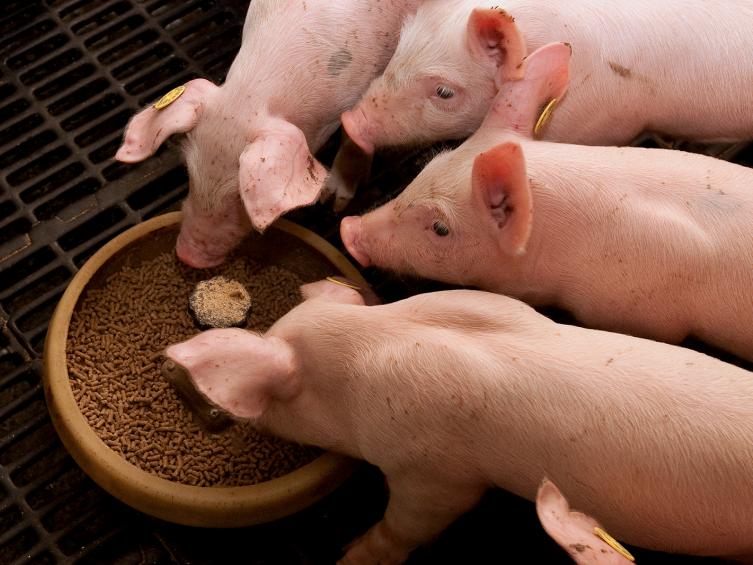
Farmers use fumaric acid to help keep animals healthy. Animal nutritionists add it to feed to promote animal growth. Fumaric acid inhibits the growth of harmful bacteria in animal feed and helps maintain gut health. Studies have shown that fumaric acid can reduce methane emissions in sheep and goats, which is beneficial to the environment. In aquaculture, fumaric acid promotes rapid growth in fish. Nile tilapia fed up to 15 grams of fumaric acid per kilogram of feed are larger. Fumaric acid helps the growth of beneficial bacteria in the gut, meaning animals receive more nutrients and grow stronger. NORBIDAR provides farmers with high-quality fumaric acid to improve animal husbandry.
Pharmaceutical Uses
Pharmaceutical manufacturers use fumaric acid because of its stability and solubility. It helps maintain the safety of drug ingredients and aids in the breakdown of tablets in the body. Some medications containing fumaric acid are used to treat psoriasis and multiple sclerosis. Dimethyl fumarate, a fumaric acid derivative, has been approved by the U.S. Food and Drug Administration (FDA) for the treatment of multiple sclerosis. Many medications contain fumaric acid, such as bupropion hydrochloride, Edarbi, guanifaxine hydrochloride, Intuniv, methylphenidate hydrochloride, quetiapine fumarate, Stendra, and verapamil hydrochloride. Fumarate esters help reduce skin swelling and protect nerve cells. Tests have shown that fumaric acid has antibacterial properties and helps enhance the body’s defenses. NORBIDAR’s fumaric acid is specifically designed for safe medication use.
Personal Care and Industrial Applications
Fumaric acid plays an important role in personal care and industrial applications. Cosmetic companies use it to balance the pH of skincare products. This makes creams and lotions safe and effective, even for sensitive skin. Fumaric acid helps extend the shelf life of creams and lotions by inhibiting bacteria. In factories, fumaric acid can improve the quality and strength of paper, plastics, and paints. It is also used in resins used in the manufacture of fiberglass, automotive parts, and building materials. Fumaric acid also helps improve the adhesion of paints and adhesives, allowing them to maintain their durability for longer, even in harsh weather conditions. NORBIDAR offers high-quality fumaric acid for personal care and industrial applications.
| Application Area | Role/Function | Documented Benefits |
|---|---|---|
| Personal Care & Cosmetics | pH adjuster, anti-microbial agent | Extends shelf life, ensures stability |
| Industrial Resins & Plastics | Polymerization aid | Stronger, more durable products |
| Paints & Adhesives | Improves adhesion and resistance | Better weather protection, high bond strength |
Safety and Regulatory Status of Fumaric Acid
Safety Assessment
Scientists have studied the long-term safety of fumaric acid. They found that it is safe for most people to use in food and medicine. The most common side effects are stomach upset and skin redness. Long-term use of fumaric acid may lead to leukopenia in some individuals.
Studies have found that fumarate esters can cause some serious stomach problems, including stomach perforation, ulcers, bleeding, and stomach obstruction. These problems were not common in testing, but the number of reported cases has increased since the drugs were marketed. Therefore, the U.S. Food and Drug Administration (FDA) revised its safety label to warn of these risks.
Doctors say that older adults and people with pre-existing health conditions may be more prone to side effects. They should consult a doctor before using products containing fumaric acid.
Regulatory Approval
Many countries have regulations in place to ensure the safety of fumaric acid. The FDA allows companies to use it in food and medicine, provided they follow strict guidelines. The European Food Safety Authority (EFSA) also states that fumaric acid is acceptable as a food additive, and sometimes pharmaceutical regulations apply.
| Region | Regulatory Status |
|---|---|
| United States | The FDA allows fumaric acid in medicine if companies follow ICH Q7 rules. |
| European Union | EFSA says fumaric acid is a food additive (E 297) and sometimes uses medicine standards. |
Potential Side Effects
Most people do not experience problems after consuming foods or medications containing fumaric acid. Some people may experience skin redness, stomach pain, or diarrhea. Others may experience itching or develop eczema. Doctors will use patch testing to check for allergic reactions.
| Symptom | Description |
|---|---|
| Flushing | Skin turns red and feels hot. |
| Gastrointestinal | Stomach hurts, you feel sick, throw up, or have diarrhea. |
| Pruritus | Skin feels itchy. |
Older adults and those with pre-existing health conditions may be more prone to side effects. They should consult a doctor before using products containing fumaric acid.
Fumaric acid excipients are widely used in food, pharmaceuticals, animal feed, and industrial production. It helps maintain product freshness, enhances flavor, and maintains product stability. Businesses utilize fumaric acid to improve product quality and safety. Here are some important points:
- Fumaric acid has a wide range of applications, including in food and plastics.
- It meets stringent safety standards and regulations.
- Newer equipment allows for faster and more environmentally friendly production.
NORBIDAR offers high-quality fumaric acid for a variety of applications. Their expertise and meticulous care ensure you achieve your desired results.
FAQ
What are the uses of fumaric acid excipients?
Fumaric acid excipients control the acidity of products. It improves the taste of food and keeps products fresh. It is widely used in food, pharmaceuticals, animal feed, and personal care products. Businesses appreciate fumaric acid because it imparts a rich acidic flavor to products and helps maintain product stability.
Is fumaric acid safe to consume?
Scientists and health organizations say that fumaric acid is safe in food. Both the U.S. Food and Drug Administration (FDA) and the European Food Safety Authority (EFSA) permit it as a food additive. People should consume it in moderation to ensure safety.
What is the difference between fumaric acid and citric acid?
| Feature | Fumaric Acid | Citric Acid |
|---|---|---|
| Sourness | Stronger | Milder |
| Amount Needed | Less | More |
| Cost Efficiency | Higher | Lower |
Does fumaric acid promote animal growth?
Farmers add fumaric acid to animal feed. It promotes animal growth by maintaining gut health and reducing harmful bacteria. Studies have shown it to be effective for poultry, pigs, and fish.