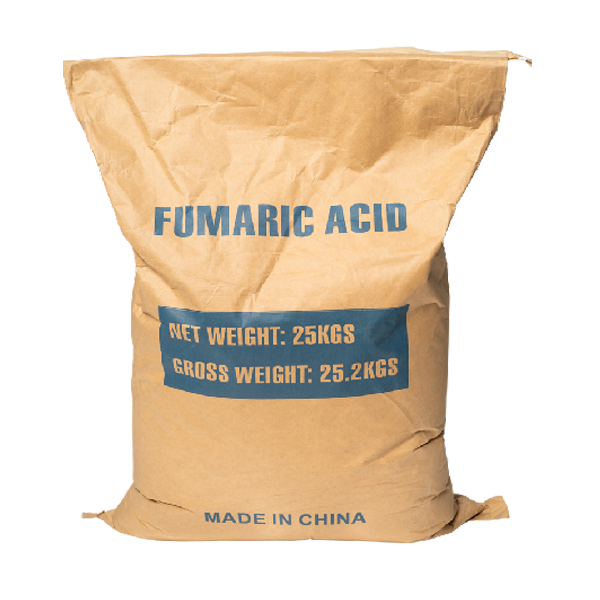
Fumaric acid and citric acid are different in many ways. Their tastes are not the same. Fumaric acid gives a strong sour taste that stays longer. Citric acid makes a sharp taste that goes away fast. Many foods use these acids to change how they taste. Fumaric acid often makes the taste last longer. How well they dissolve and their price also matter. Each acid has special uses in food, animal nutrition, and industry. But taste is still the most important thing.
Key Takeaways
- Fumaric acid gives a strong sour taste that lasts long. This makes it good for candies and baked goods.
- Citric acid gives a quick sour taste that goes away fast. It is often used in drinks and dairy products.
- Fumaric acid costs less when used in small amounts. It gives a stronger taste than citric acid.
- Fumaric acid stays stable when heated, so its flavor stays in baked goods. Citric acid can lose its strength when heated.
- Both acids help food taste better and last longer. The best one to use depends on the taste you want and how you use it.
Acidity and flavor of fumaric acid
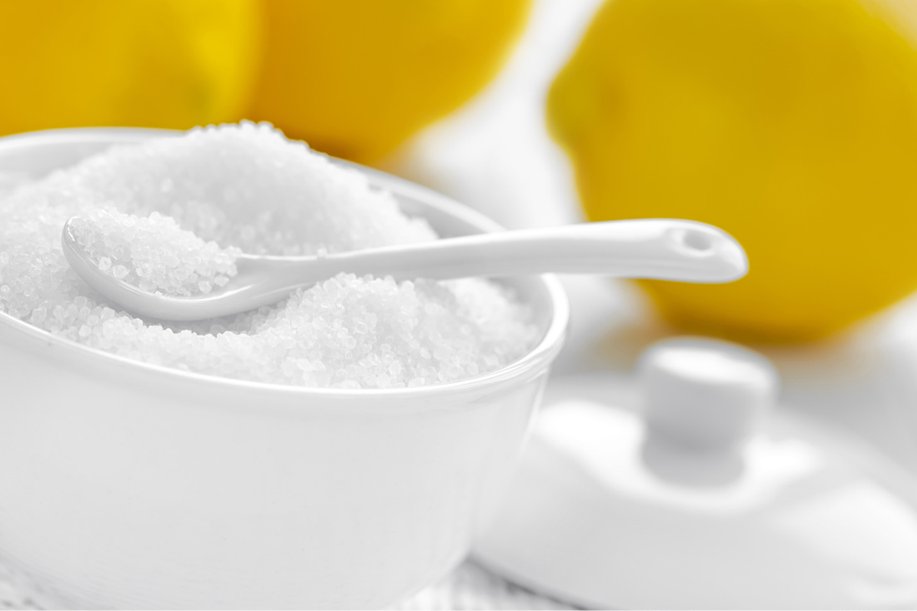
Fumaric Acid vs Citric Acid Acidity
Fumaric acid is a strong acid used in food. Scientists use pKa values to show how strong acids are. If the pKa is lower, the acid is stronger. These numbers help people see how much it can change food taste.
Fumaric acid has a pKa of 2.74 for its first hydrogen atom. This means it can give away hydrogen ions easily. It helps control pH in many foods as an acidity regulator. Citric acid also controls acidity, but its pKa values are not the same. Fumaric acid makes food taste more sour even when used in small amounts. This is why it is chosen for foods that need a sour taste that lasts.
Flavor Profile Differences
Fumaric acid has a special flavor profile. It gives foods a sharp sour taste that stays longer than citric acid. People notice the sour taste from fumaric acid does not go away fast. This makes the taste experience different. Citric acid gives a quick sour taste, but it fades quickly.
Fumaric acid is used in candies, drinks, and baked goods. The sour taste is strong and clear. Snack makers use it to make products taste very sour. The taste stays even when mixed with other flavors. This is why fumaric acid is popular in sour candies and fruit snacks.
Tip: When picking an acid for a recipe, think about how long you want the sour taste to last. Fumaric acid keeps the sourness strong and steady.
Fumaric acid also helps balance sweetness. It can make sweet foods taste less sugary and more fresh. This balance matters in soft drinks and juices. The sour taste from fumaric acid can also hide bad flavors in some foods.
Solubility and stability of fumaric acid
Water Solubility Comparison
Fumaric acid can dissolve in water, but it does not dissolve as fast as citric acid. At room temperature, about 5.3 grams can mix into one liter of water. Most people notice that only 0.6 to 0.7 grams will dissolve in 100 mL of water at 20–25 °C. This means it takes more time to mix into drinks or foods. In grape juice, it dissolves even less because sugar slows it down. Some types, like cold water soluble fumaric acid, can dissolve faster in cold or room temperature water.
- Fumaric acid does not dissolve as much as citric acid.
- In powdered drink mixes, slow dissolving helps control when the sour taste comes out.
- The non-hygroscopic property stops dry mixes from sticking together, so the taste and texture stay fresh.
- Citric acid pulls in more water, which can make clumps and change the taste.
People who want a sour taste that lasts longer in powdered drinks often use fumaric acid food additive. The slow release of sour flavor makes the taste stay longer. This helps keep the taste steady, especially in products that need a strong sour punch.
Shelf Life and Heat Resistance
Fumaric acid is known for lasting a long time and handling heat well. It does not break down easily when heated. This makes it a good choice for foods that need to keep their sour taste after baking or cooking. Many food makers use it in baked goods, candies, and snacks because the taste stays strong even after heating.
- Fumaric acid keeps its sour taste even when heated.
- Citric acid loses some sour taste if heated for a long time.
- Fumaric acid’s stable nature helps products keep their taste and quality on the shelf.
People who want a sour taste that stays sharp in foods that are cooked often pick fumaric acid. The taste stays clear and strong, making it a favorite for many recipes.
Cost-effectiveness of fumaric acid
Usage Rates in Food
Food makers pick fumaric acid because it saves money. It gives a strong sour taste that lasts. You do not need to use much to get the same effect as other acids. In foods like bakery items, jams, and gelatin desserts, people use less fumaric acid than citric acid for the same sourness. The table below shows how much is needed in different foods:
| Acid Type | Common Food & Beverage Categories | Usage / Replacement Rates / Notes |
|---|---|---|
| Fumaric Acid | Bakery, fruit juice drinks, wine, confectioneries, jams, gelatin desserts, pie fillings, egg white foams, animal feed | Replaces citric acid at 0.91 g fumaric acid to 1.36 g citric acid for same taste. In jams, 2 lbs fumaric acid replaces 3 lbs citric/malic/tartaric acid. In gelatin desserts, 1 lb citric acid replaced by 0.6-0.7 lb fumaric acid. Provides stronger sourness per unit weight, reducing acidulant cost. Non-hygroscopic, improves product stability and shelf life. |
| Citric Acid | Beverages: sports drinks, soft drinks, energy drinks, fruit juices, alcoholic beverages | Widely used as acidulant; specific usage rates not detailed but noted for flavor enhancement and pH control. |
Fumaric acid food additive keeps taste steady and products fresh. It does not pull in water, so dry mixes stay loose. This helps keep the taste and texture good.
Price and Efficiency
Citric acid costs less per kilogram than fumaric acid. But fumaric acid is more efficient. It gives a stronger sour taste, so you use less to get the same effect. The table below compares prices and efficiency:
| Acid Type | Price per kg (1-5 kg) | Price per kg (25+ kg) |
|---|---|---|
| Fumaric Acid | $15 – $30 | $8 – $12 |
| Citric Acid | $0.50 – $1 | N/A |
| Acid Type | Acidity per Unit Weight | Required Dosage for Similar Effects |
|---|---|---|
| Fumaric Acid | Higher | Less |
| Citric Acid | Lower | More |
Note: Fumaric acid gives a smoother and longer-lasting sour taste. It works well in products that need slow release of sourness, like powdered drinks and chewing gum.
Even though fumaric acid costs more per kilogram, you use less. The strong taste helps save money and keeps product quality high.
Uses of fumaric acid and citric acid
Food and Beverage Applications
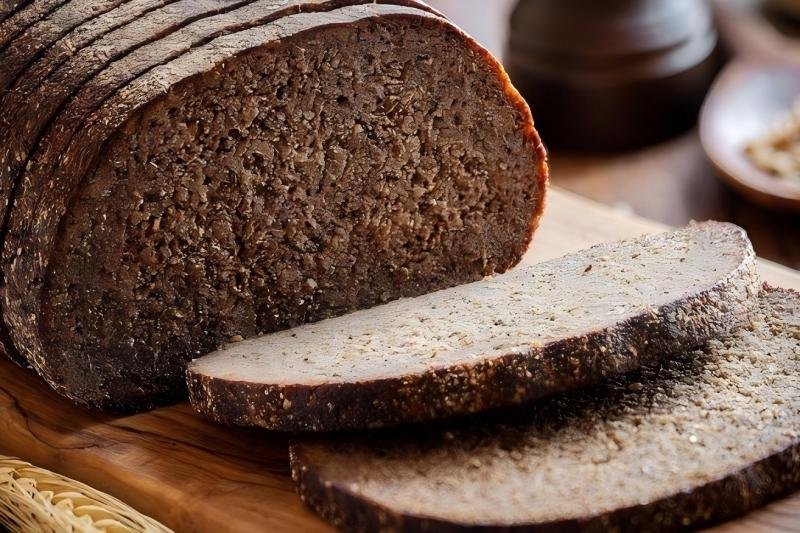
Both acids are found in lots of foods and drinks. Fumaric acid and citric acid help with taste and freshness. They also help foods last longer on the shelf. Fumaric acid gives snacks, candies, and powdered drinks a strong sour taste that stays longer. Citric acid is good for soft drinks, jams, and canned vegetables. It keeps the taste fresh and helps stop food from spoiling. In 2023, the market for fumaric acid was over 300 million dollars and is still growing. More companies use it in processed foods because it fits clean-label trends.
- Fumaric acid is used in bakery mixes, tortillas, and fruit snacks. It helps dough rise and keeps the taste the same.
- Citric acid is common in drinks and sweets. It makes things taste sharp and helps them last longer.
- Both acids make foods taste better, but fumaric acid is better for storage and saving money.
| Food Category | Functions of Fumaric Acid | Functions of Citric Acid |
|---|---|---|
| Beverages | Acidulant, pH control | Acidifier, preservative |
| Baked Goods | Leavening agent, dough conditioner | Flavor enhancer |
| Confectionery | Flavor enhancer | Acidulant, flavor enhancer |
NORBIDAR’s Fumaric Acid is high quality for food makers. It keeps taste strong and helps food stay fresh.
Animal Nutrition Benefits
Farmers use these acids to help animals grow and stay healthy. Studies show that adding fumaric acid to animal feed helps animals digest food better. Broiler chickens gain more weight when they eat food with fumaric acid. Piglets get better nutrients and have healthier stomachs. Citric acid helps too, but fumaric acid often works better for growth and using nutrients.
- Fumaric acid helps broilers gain more weight each day.
- It helps pigs and poultry digest food better.
- It controls bad bacteria in the gut, so animals stay healthier.
NORBIDAR’s Fumaric Acid is great for animal nutrition. It helps farmers get better results and keeps animals healthy.
Industrial and Pharmaceutical Roles
Industries use these acids in many ways. Fumaric acid is important for making resins. It helps coatings and fiberglass plastics handle heat and stay strong. In personal care, it balances pH and makes creams and lotions feel better. Citric acid is also used in cleaning products and cosmetics because it is a mild acid.
| Application Type | Description |
|---|---|
| Resins | Used to make strong, heat-resistant materials |
| Food and Beverages | Improves taste and reduces costs |
| Feed Additive | Boosts feed efficiency and animal growth |
| Pharmaceutical Uses | Used in medicines for skin and nerve health |
NORBIDAR’s Fumaric Acid meets high standards for industry and medicine. It helps products work well and stay high quality.
Tip: Picking the right acid can make foods taste better, last longer, and improve quality in many industries.
Health and safety of fumaric acid
Regulatory Status
Food safety groups in the US, EU, and Asia make strict rules for food acids. The FDA and EFSA check ingredients like fumaric acid and citric acid before they are sold. These groups look at safety, set how much can be used, and ask for clear labels. They want every food acid to be pure and high quality. Both acids are on the approved lists for foods and drinks. The FDA says fumaric acid is GRAS, so experts think it is safe to eat in normal amounts. This makes food makers trust it for its strong sour taste and good results. NORBIDAR’s high purity fumaric acid food additive meets these rules, so producers know it is safe and tastes good.
Dietary and Allergen Concerns
Most people can eat foods with fumaric acid or citric acid with no problems. Some people may get stomach issues after eating foods with fumaric acid. These problems can be nausea, diarrhea, constipation, or stomach pain. Allergies are rare but can happen. Signs of an allergy are rashes, itchy skin, swelling, or trouble breathing. Food safety groups set safe limits for how much fumaric acid people should eat. Eating too much can cause health problems, so it is important to follow the rules. Both acids make foods taste better, but people with sensitive stomachs should read labels. High quality and pure ingredients lower the risk of bad reactions and keep food safe and tasty.
Note: Always check ingredient lists if you have allergies or sensitivities. Picking trusted brands helps keep you safe and makes sure the taste is always good.
When to choose fumaric acid
Food Industry Considerations
Food makers check acids to find what works best. They see how each acid changes taste, texture, and shelf life. Fumaric acid is great for solid foods like pudding mixes and baked goods. It gives a strong sour taste and keeps foods fresh. The fumaric acid food additive is good for recipes needing controlled sourness and better flavor. Its low hygroscopicity stops dry mixes from sticking together. Its high heat stability makes it perfect for baked foods.
| Factor | Fumaric Acid | Citric Acid |
|---|---|---|
| Primary Use | Acidity regulator, food acidulent | Natural preservative, flavor enhancer |
| Substitution Ratio | 0.91 g replaces 1.36 g citric acid | N/A |
| Solubility | Less soluble, good for solid foods | Highly soluble, best for beverages |
| Specific Applications | Coagulant in pudding mixes, bakery, confectionery | Beverages, syrups, dry powder drinks |
| Heat Stability | High | Lower |
| Hygroscopicity | Low | High |
Bakers and snack makers use fumaric acid for a sour taste that stays after baking. It helps dough rise and keeps the texture steady. The acid also balances sweetness, so foods taste fresh and less sugary.
Tip: Fumaric acid is best for foods needing strong sourness and steady texture, especially after heating.
Industrial and Other Uses
Industries use fumaric acid for more than food. It helps make resins and coatings stronger. The acid improves heat resistance and strength in fiberglass plastics. Makers use it in personal care products as a gentle exfoliant and to balance skin moisture. In medicine, it helps treat skin and nerve health.
- Fumaric acid boosts quality in industrial products.
- It helps coatings last longer and stay strong.
- The acid is safe for personal care and medicine.
Fumaric acid gives products a steady sour taste and helps them work well in many areas. Companies pick it when they need an acid that handles heat and keeps products stable.
Fumaric acid and citric acid both have special uses. Fumaric acid makes foods taste more sour for a longer time. It works best in dry mixes and baked foods. Citric acid mixes well in drinks and dairy foods. The table below shows how they are different:
| Property/Application | Fumaric Acid | Citric Acid |
|---|---|---|
| Sourness and Flavor | Strong, stays longer | Softer, fades fast |
| Cost-Effectiveness | Use less, saves money | Use more, costs less |
| Stability | Does not pull in water | Pulls in water |
| Common Applications | Candy, baked goods, dry mixes | Drinks, dairy, jams |
Food makers should pick the acid that fits their taste, budget, and product.
FAQ
What foods commonly use fumaric acid?
Snack makers put fumaric acid in candies and fruit snacks. It is also used in tortillas and baked goods. Fumaric acid gives a strong sour taste. It helps keep snacks fresh. Powdered drink mixes use it for sour flavor that lasts.
Is fumaric acid safe to eat?
Groups like the FDA and EFSA say fumaric acid is safe. It can be used in foods. Experts agree it is safe in normal amounts. People should check labels if they have allergies or sensitivities.
How does fumaric acid help animal nutrition?
Farmers add fumaric acid to animal feed. It helps animals digest food better. Animals grow faster and healthier. Fumaric acid lowers bad bacteria in poultry, swine, and fish.
Can fumaric acid replace citric acid in recipes?
Food makers use fumaric acid instead of citric acid. They need less fumaric acid for the same sour taste. It works best in solid foods, dry mixes, and baked goods.
What makes NORBIDAR’s Fumaric Acid special?
NORBIDAR’s Fumaric Acid is pure and high quality. It works well in food, animal feed, and industry. Advanced technology keeps it safe and strong for every use.