

High fumaric acid means there is more of this compound than normal. Fumaric acid is found in the human body. It helps make energy. Many companies use this compound because it is strong and useful. About 38% of fumaric acid made in factories goes into food and drinks. The rest is used in things like medicine and resins. People often find Fumaric Acid in juice. They use Fumaric Acid For Foods to make food taste better and last longer. Experts say fumaric acid is very safe when used the right way.
Key Takeaways
- Fumaric acid is found in many fruits and vegetables. It helps your body make energy. It is safe if you use it the right way.
- High fumaric acid levels can show health problems. These problems can be genetic disorders or issues with metabolism. Doctors check for it by testing your urine.
- Fumaric acid is used a lot in food and medicine. It makes food taste better and keeps it fresh. It also helps treat some skin problems like psoriasis.
- Going to the doctor often and eating healthy can help control fumaric acid levels. Do not take too many supplements to avoid high levels.
- Knowing what fumaric acid does in your body is helpful. It lets you make smart health choices and talk to your doctor about any worries.
What is fumaric acid?
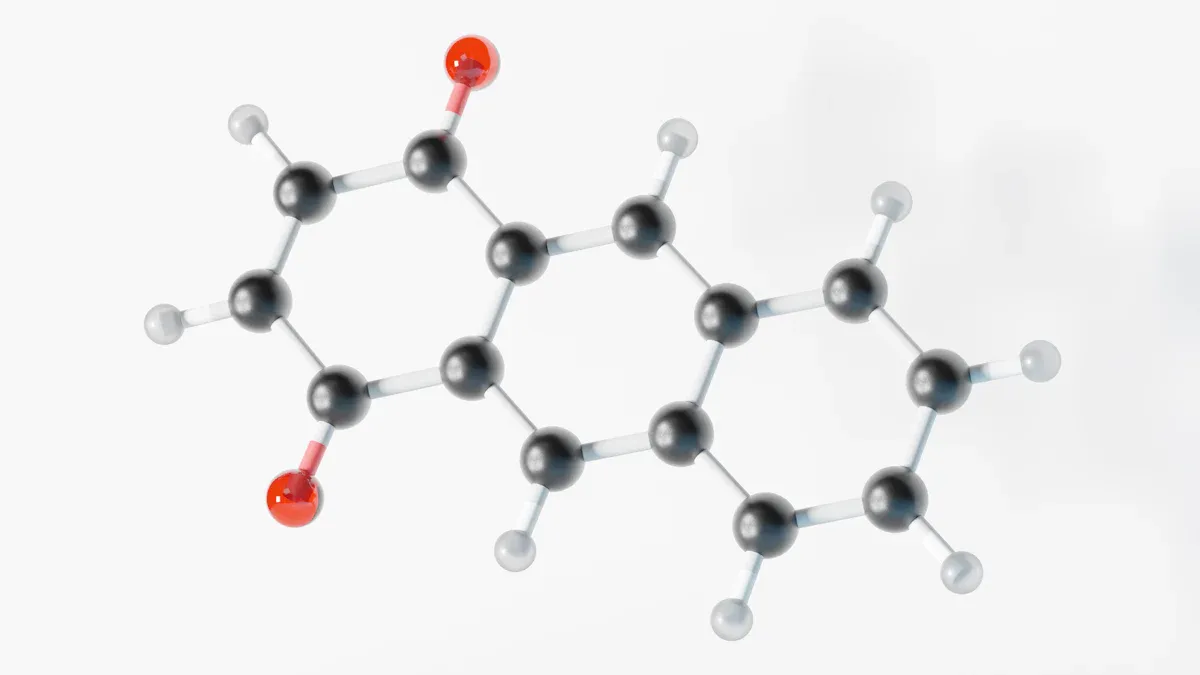
NORBIDAR is a trusted brand. It gives high-quality fumaric acid to many industries. Companies use this compound in food, medicine, animal feed, and cosmetics. People like it because it is safe and useful in many products.
Chemical properties
Fumaric acid is a stable, white crystal. It has a fruity smell. It is part of the dicarboxylic acids group. The molecule has two carboxyl groups. These are on opposite sides of a double bond. This shape makes it less reactive and more stable than other acids like it. The table below shows important chemical facts:
| Property | Value |
|---|---|
| Molecular Weight | 116.07 g/mol |
| Chemical Formula | C4H4O4 |
| IUPAC Name | (2E)-but-2-enedioic acid |
Fumaric acid does not dissolve well in cold water. Only 0.63 grams will dissolve in 100 milliliters at room temperature. It dissolves better in hot water. At 100°C, about 9.8 grams will dissolve. This acid also stays strong when heated. It melts between 287°C and 300°C. This is hotter than many other organic acids. This helps make products and foods that can handle heat.
Natural sources
Fumaric acid is found in many fruits and vegetables. Grapes, apples, berries, tomatoes, and carrots all have this compound. The table below lists some foods and their usual amounts:
| Fruit/Vegetable | Typical Fumaric Acid Concentration |
|---|---|
| Grape berries | 0.07 to 10.69 mg/L |
| Wines | Less than 31 mg/L |
| Apples | Presence confirmed |
| Berries | Presence confirmed |
| Tomatoes | Presence confirmed |
| Carrots | Presence confirmed |
Fumaric acid in industry
Many industries use fumaric acid for its special features. The food and drink industry uses the most. It has more than 65% of the market. Companies add it to foods to control acidity, improve flavor, and keep food fresh. Unsaturated polyester resins also use this acid. These are used in cars and building materials. Other uses are:
- Medicine, like supplements and antifungal treatments
- Cosmetics, where it helps with pH and keeps products stable
- Animal feed, where it helps gut health and feed use
- Rosin-sized sheathing paper and other special uses
NORBIDAR makes fumaric acid for these industries. Their products help make safe, stable, and useful items for many needs.
Fumaric acid metabolism

Role in the body
Cells need fumaric acid to make energy. It is important in the Krebs cycle. The Krebs cycle helps turn food into energy. This happens inside the mitochondria. Mitochondria are called the “powerhouse” of the cell. In the cycle, succinate changes into fumaric acid. An enzyme called succinate dehydrogenase helps with this step. Next, fumaric acid turns into malic acid. These steps help cells make ATP. ATP gives energy to the body.
Fumaric acid is also part of other pathways. For example, some organisms make it during the purine salvage pathway. This pathway helps build DNA and RNA. In this process, fumaric acid can change into malate and aspartate. These changes give the cell what it needs for energy and building blocks.
How levels become elevated
Many things can cause high fumaric acid in the body. Some people have a genetic problem called fumarase hydratase (FH) deficiency. This problem stops the body from breaking down fumaric acid. So, fumaric acid builds up. High levels can also happen when some enzymes do not work right. This can happen in some cancers. Tumors may have changes in the FH gene. This leads to more fumaric acid.
Other reasons include problems with succinate dehydrogenase. If this enzyme does not work, fumaric acid can pile up. Sometimes, fumaric acid blocks other enzymes. This can change how cells use energy. The table below lists some main causes:
| Cause | Description |
|---|---|
| FH Deficiency | Genetic disorder that leads to high fumaric acid and neurological symptoms. |
| Tumorigenesis | Changes in genes cause buildup, linked to some cancers. |
| Enzyme Inhibition | Problems with enzymes like SDH or PDH can raise levels. |
Note: High fumaric acid can change how cells use oxygen and energy. Doctors may check these levels if they think there is a health problem.
Causes of high fumaric acid
Genetic disorders
Some people have high fumaric acid because of genetic problems. One main problem is fumarase deficiency. This happens when the body does not make enough fumarate hydratase. This enzyme helps change fumarate into malate in the mitochondria. If the enzyme does not work, fumaric acid builds up.
People with fumarase deficiency can have many symptoms. These may include:
- Small head size (microcephaly)
- Unusual brain structure
- Severe developmental delay
- Low muscle tone (hypotonia)
- Trouble gaining weight and growing (failure to thrive)
- Seizures
- Unusual facial features
- Large liver and spleen (hepatosplenomegaly)
- Changes in blood cell counts
A case study talked about a girl with fumarase deficiency. She had a lot of fumaric acid in her urine. Her body could not change fumarate to malate. This made it hard for her to make energy. She had many health problems. Changes in the fumarate hydratase gene can hurt the Krebs cycle. The Krebs cycle is important for making energy in cells.
Diet and supplements
Food and supplements can also make fumaric acid go up. Many plants and fungi have this acid. People may eat foods like grapes, apples, and tomatoes with natural fumaric acid. Some animal feeds, like those for Nile tilapia and African catfish, use fumaric acid as a supplement. These feeds help fish grow and stay healthy.
Some people take supplements with fumaric acid. These products can help animals grow and be healthy. But eating a lot or taking many supplements can raise fumaric acid in the body. Most people do not get too much from normal food. Problems usually happen when someone takes extra supplements or eats a lot of foods with this acid.
Medical conditions
Some health problems can cause high fumaric acid. The table below shows some common causes and what they mean:
| Cause of Elevated Fumaric Acid | Explanation |
|---|---|
| Chronic Kidney Disease | Linked to increased urinary fumaric acid levels in type 2 diabetes patients. |
| Excess Urea Cycle Function | Generates high levels of fumarate, a product of the urea cycle. |
| Impaired Metabolism | Due to low B3, high pyruvate or lactate, contributing to elevated levels. |
| Yeast Overgrowth | May lead to metabolic inefficiencies resulting in higher fumaric acid concentrations. |
Doctors found that chronic kidney disease can raise fumaric acid in urine. This happens a lot in people with type 2 diabetes. If the urea cycle works too much, the body makes more fumarate. Some people have metabolism problems. Low vitamin B3, high pyruvate, or high lactate can all cause more fumaric acid. Too much yeast in the gut can also make levels go up. These problems can change how the body uses energy.
Many studies looked at these health problems. They show that high fumaric acid can mean other health issues. Doctors may check for these causes if they see high levels. Proximal tubular dysfunction can also be a reason. This problem affects the kidneys and can lead to renal fanconi syndrome. Proximal tubular dysfunction means the kidneys do not work well. They cannot keep important substances, so more fumaric acid leaves in the urine. Renal fanconi syndrome is a type of this kidney problem. It can cause high fumaric acid in urine. People with renal fanconi syndrome may have bone problems, grow slowly, and have weak muscles. Proximal tubular dysfunction and renal fanconi syndrome often happen together. Studies show these kidney problems can make fumaric acid go up.
Note: High fumaric acid does not always mean something serious. Doctors look at all symptoms and test results before deciding what is wrong.
Health effects of high fumaric acid
Oncometabolite and cancer risk
High fumaric acid can help tumors grow. It acts as an oncometabolite. When fumarate hydratase does not work, fumarate builds up. This buildup blocks enzymes called 2-oxoglutarate-dependent oxygenases. These enzymes help control how cells grow and use oxygen. If blocked, cells may start pathways that help cancer form. One pathway is the hypoxia-inducible factor pathway. This pathway helps tumors live when there is little oxygen.
Fumarate can also change proteins by sticking to cysteine parts. This is called succination. It can make proteins stop working right. Cells may lose control over growth and repair. Studies show high fumaric acid is linked to more tumors. It can mean worse outcomes in laryngeal squamous cell carcinoma. Some genes that control fumarate metabolism can help doctors guess how a cancer will act.
- High fumaric acid is linked to tumor growth and bad outcomes in some cancers.
- Fumarate metabolism can help tumors grow in many ways.
- Certain genes related to fumaric acid can help predict cancer risk.
Neurological and kidney impact
High fumaric acid can cause brain problems. Kids with too much fumarate may have slow development. Their brains may be too small or too big. Seizures are common. Some kids have weak muscles, trouble eating, or trouble gaining weight. Vomiting, tiredness, and vision problems can happen. Some may get encephalopathy, which means the brain does not work well. Movement problems and issues with the brainstem can show up. Growth and development may slow down. The brain can shrink, which is called brain atrophy.
- Brain symptoms include:
- Developmental delay
- Small or large head size
- Seizures
- Weak muscles
- Trouble eating
- Tiredness
- Vision problems
- Movement problems
High fumaric acid can also hurt the kidneys. Breathing in this compound can damage kidney cells. Doctors sometimes use fumaric acid esters as medicine. They check for kidney problems by measuring urinary β2-microglobulin. High levels of this marker can mean the kidneys are not working well. Some people may get sudden kidney injury or Fanconi syndrome. These problems can happen more in women who take high doses of fumaric acid esters. Sudden kidney injury means the kidneys stop working fast. Fanconi syndrome makes it hard for the kidneys to keep important things in the body.
- Kidney effects include:
- Sudden kidney injury
- Fanconi syndrome
- High urinary β2-microglobulin
Psoriasis and other conditions
Doctors use fumaric acid esters to treat severe psoriasis. These medicines can help clear the skin in 12 to 16 weeks. People taking these medicines often feel better. The benefits are like those from methotrexate, another common psoriasis treatment. But people using fumaric acid esters are more likely to have side effects. These can be diarrhea and stomach cramps. Most side effects are not dangerous, but some people may have serious ones like sudden kidney injury.
| Study Findings | Description |
|---|---|
| Significant Benefit | Three studies found fumaric acid esters helped more than placebo after 12 to 16 weeks. |
| Quality of Life Improvement | One study showed better quality of life, but the difference was not always clear. |
| Adverse Effects | People on fumaric acid esters were almost five times more likely to have side effects like diarrhea. |
| Comparison to Methotrexate | Fumaric acid esters worked as well as methotrexate for chronic plaque psoriasis after 12 weeks. |
Doctors also use dimethyl fumarate to treat severe psoriasis. Dimethyl fumarate can help control the disease. It can also cause sudden kidney injury and other side effects. People taking dimethyl fumarate should have regular check-ups to watch for kidney problems and other effects.
Other health problems linked to high fumaric acid include chronic fatigue syndrome, neurodegenerative disorders, and fibromyalgia. Some people may have worsening brain problems, weak muscles, or movement issues. These effects can make daily life harder.
Note: Fumaric acid esters can help many people, but they can also cause long-term harm and serious side effects. Doctors must weigh the good and bad for each patient.
What to do about high fumaric acid
Diagnosis and testing
Doctors use special tests to check fumaric acid levels. They usually ask for a urine sample. The lab uses gas chromatography-mass spectrometry (GC-MS) to measure it. This test is very accurate. It helps find problems with metabolism. The table below lists common tests:
| Test Name | Method | Specimen Type | Useful For |
|---|---|---|---|
| Organic Acids Screen, Random, Urine | Gas Chromatography Mass Spectrometry (GC-MS) | Urine | Diagnosis of inborn errors of metabolism using dried urine specimens |
| Fumaric Acid, Urine | Gas Chromatography-Mass Spectrometry (GC-MS) | Random urine | Diagnostic evaluation of patients with possible organic acidemias, fatty acid oxidation disorders, and other conditions |
These tests are very reliable. The results are correct more than 98% of the time. Doctors trust these tests to find high fumaric acid.
Doctors also check blood cell counts, kidney function, and liver enzymes. They do these tests every few months. This helps them see if high levels are causing problems. They look for signs like rash, swelling, yellow skin, or chest pain.
Tip: Regular testing helps doctors find problems early and change treatment if needed.
Treatment and lifestyle changes
Doctors follow a plan to treat high fumaric acid. They may use therapy with fumaric acid esters for some conditions like psoriasis. Clinical trials show this therapy helps many people. Fumaderm is a medicine with fumaric acid esters. It helps about half of patients after four months. European guidelines say to increase the dose until the patient feels better. Doctors also use monoethyl fumarate in this therapy.
Doctors watch blood counts, kidney function, and liver enzymes during treatment. They stop therapy if blood counts get too low. Sometimes, they add other treatments to help. The standardised fumaric acid plan helps guide these steps.
Research shows fumarates can lower inflammation and protect blood vessels. Scientists are still studying these effects. Patients should listen to their doctor and go to regular check-ups. Eating healthy and not taking extra supplements can help control levels.
Note: Therapy works best when patients and doctors work together and follow the plan closely.
Fumaric acid is used in food, medicine, and industry. Experts say it is safe at normal amounts. The FDA and EFSA approve its use. If levels get too high, it might mean health problems. People should check labels for E297 or “fumaric acid.” It is smart to buy from trusted brands. If you are worried about high levels, talk to a doctor. Regular check-ups and smart choices help lower risks.
| Authority | Classification | Uses | Potential Risks |
|---|---|---|---|
| FDA | GRAS | Food, drinks, medicine | Can cause irritation if taken in large amounts |
| EFSA | Safe for feed | Animal nutrition | Rare kidney problems if taken in high doses |
FAQ
What does high fumaric acid in urine mean?
High fumaric acid in urine can show a metabolism problem. The body might not break down fumaric acid well. Doctors use this test to look for genetic disorders or kidney problems.
Is fumaric acid safe in food?
Yes, experts say fumaric acid is safe in food. The FDA and EFSA allow its use. Most people eat small amounts in fruits and processed foods without issues.
Can diet raise fumaric acid levels?
Eating lots of foods with fumaric acid or taking supplements can raise levels. Grapes, apples, and tomatoes have natural fumaric acid. Most diets do not cause high levels unless someone eats a lot.
How do doctors test for high fumaric acid?
Doctors get a urine sample and send it to a lab. The lab uses gas chromatography-mass spectrometry (GC-MS) to check fumaric acid. This test gives correct results.
What should someone do if they have high fumaric acid?
People should talk to their doctor. The doctor may order more tests or suggest changes in diet. Regular check-ups help keep people healthy and stop problems.