Gelatin fumarate is made from a mixture of gelatin (a protein derived from animal collagen) and fumarate (an organic acid). This mixture gives gummies and candies their chewy texture and tart flavor. Many companies use gelatin fumarate to improve the taste of food and extend its shelf life. Experts believe this market will continue to grow. NORBIDAR’s premium fumarate is safe and reliable for food processing. People should understand how gelatin fumarate is used in their favorite snacks.
Key Takeaways
- Gelatin fumarate is a mixture of gelatin and fumarate. It improves the taste and texture of candies and gummies. This ingredient helps snacks stay chewy and fresh, and extends their shelf life, preventing spoilage. Both the U.S. Food and Drug Administration (FDA) and the European Food Safety Authority (EFSA) state that fumarate is safe for consumption, making it ideal for food manufacturers. Using premium fumarate, such as products from NORBIDAR, helps maintain the chewy, tart flavor of candies. Fumarate is also used in other areas, such as animal feed, pharmaceuticals, and personal care products.
Overview of Gelatin and Fumaric Acid
Definition and Composition
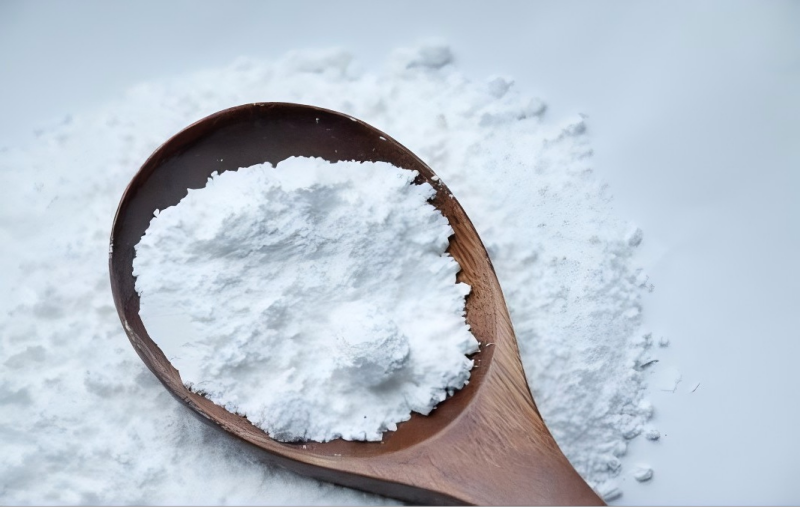
Gelatin fumarate is made from gelatin and fumarate. Gelatin is derived from animal collagen and forms a gel when it comes into contact with water. Fumarate is an organic compound that imparts a sour taste to food and helps preserve freshness. Mixing gelatin and fumarate gives candies and gummies a chewy and delicious texture.
The molecular formula of fumarate is C₄H₄O₄. This compound is a white or colorless powder, odorless, with a sweet and sour taste and a fruity flavor. The table below lists the main properties of fumarate:
| Property | Value |
|---|---|
| Molecular Formula | C4H4O4 |
| Molecular Weight | 116.07 g/mol |
| Description | Colorless to white, odorless crystalline powder with a fruity-acidic taste. |
The combination of gelatin and fumaric acid utilizes the unique properties of both ingredients. Gelatin provides the product’s structure, while fumaric acid imparts its sour taste and maintains its freshness.
Key Properties
Fumaric acid possesses many important properties in the food industry. It is a preservative that regulates pH levels, ensuring food safety and stability. Furthermore, fumaric acid imparts a rich sour taste to foods, a flavor highly valued in candies and gummies.
The following table lists the important physical and chemical properties of fumaric acid:
| Property | Detail |
|---|---|
| Molecular Formula | C4H4O4 |
| Molecular Weight | 116.07 |
| Chemical Name | Fumaric acid (trans-2-Butenedioic acid) |
| Appearance | White, odorless crystalline powder |
| Structure Type | Unsaturated dicarbonic acid |
| CAS Number | 110-17-8 |
| Melting Point | 298-300 °C (sublimation) |
| Solubility | 0.63 g/100 mL (water, 25°C) |
| pKa Values | 3.02, 4.38 (at 25°C) |
| Odor | Odorless |
Fumaric acid is tasteless, dissolves slowly in water, and has a high melting point, thus remaining solid in most foods. It retains its sour taste even after heating, making it ideal for baked goods and confectionery.
Fumaric acid also helps control the acidity of food. When used in conjunction with gelatin, it makes gummies chewier. Many companies use fumaric acid because it is stable and safe.
Production Method
Manufacturers produce fumaric acid using chemical methods. They use maleic anhydride as a raw material, converting it to fumaric acid under heating and a catalyst. This method produces pure, food-grade fumaric acid.
After the fumaric acid is produced, manufacturers mix it with gelatin. They precisely control the mixing ratio. This mixture is used in many gummies and confectionery products. The mixture requires heating and cooling. These steps help the gelatin solidify and ensure a uniform distribution of the fumaric acid.
NORBIDAR uses advanced technology to make good fumaric acid. Their process makes sure it is pure and safe. Food companies trust NORBIDAR for reliable fumaric acid.
Fumaric acid helps improve the taste of food and extend its shelf life. It can improve the texture and flavor of a variety of snacks.
Applications of fumaric acid in food

Role in Gelatin Products
Fumaric acid plays a crucial role in gelatin products. It adds a tart flavor to jelly candies and helps maintain gel firmness and chewiness, preventing the candy from becoming too soft or sticky. Fumaric acid also controls the moisture content of candies, keeping the coating crisp and delicious. It helps gelatin and pectin retain their shape, allowing gummies to maintain their chewiness for longer. Fumaric acid also lowers the pH of food, inhibiting the growth of harmful bacteria, mold, and yeast, thus helping gelatin snacks stay fresh and safe.
Fumaric Acid Candies
Many candies use fumaric acid to improve their taste and texture. Jelly candies, tart gummies, and chewy candies all contain fumaric acid. Fumaric acid candies offer a sweet and tart flavor, making each bite rich and unforgettable.
Fumaric acid helps extend the shelf life of candies. It prevents candies from softening or deforming, maintaining this effect even during long-term storage. NORBIDAR sells high-purity, food-grade fumaric acid; its products are pure and meet high standards.
Applications in Gummies
There are many reasons why fumaric acid is used in gummies. It gives gummies a rich, tangy flavor that is widely loved. Fumaric acid not only enhances the taste but also helps gummies maintain a good settling state even at high temperatures.
Gummies with added fumaric acid have a chewy texture, are less sticky, and can be safely consumed for extended periods. Fumaric acid is widely found in soft drinks, juices, bread, cakes, and muffins. NORBIDAR’s high-purity, high-quality fumaric acid is ideal for gummies and other food products.
Other Applications of Fumaric Acid
Besides the food industry, fumaric acid is used in many other industries. Manufacturers use it to produce unsaturated polyester resins. These resins help in the manufacture of high-strength coatings and fiberglass plastics. You can find these materials in car bodies, bumpers, building panels, and roofing materials. Fumaric acid also strengthens adhesives and sealants, making them more resistant to heat and chemical corrosion. In paints and coatings, it helps extend the life of surfaces and protects them from the elements.
Animal Nutrition
Farmers add food-grade fumaric acid to animal feed. This helps animals grow healthily and digest food better. Fumaric acid promotes rapid growth and maintains animal health. It supports the growth of beneficial bacteria in the gut and inhibits the proliferation of harmful bacteria. It can also reduce methane emissions from sheep and goats. In aquaculture, it helps fish grow quickly and efficiently. The table below lists the benefits of fumaric acid for animals:
| Benefit | Description |
|---|---|
| Growth Performance | Helps piglets and fish gain more weight. |
| Feed Efficiency | Makes animals use their feed better. |
| Intestinal Health | Supports gut health and helps cells heal. |
| Nutrient Digestibility | Helps animals absorb more nutrients. |
| Antimicrobial Activity | Supports good bacteria and lowers harmful microbes. |
Pharmaceuticals
Doctors and scientists use fumaric acid in the medical field. It helps treat skin conditions such as psoriasis, reducing swelling and protecting cells. For multiple sclerosis, it protects nerves and reduces brain damage. Dimethyl fumarate is a related compound used to treat these diseases. Fumaric acid is also present in some new drug formulations. It helps the body absorb drugs better and reduces side effects.
| Condition | Medicinal Benefit | Mechanism of Action |
|---|---|---|
| Psoriasis | Lowers swelling and cell buildup | Boosts antioxidants and causes cell death |
| Multiple Sclerosis | Protects nerves and lowers lesions | Activates protective pathways in cells |
Personal Care
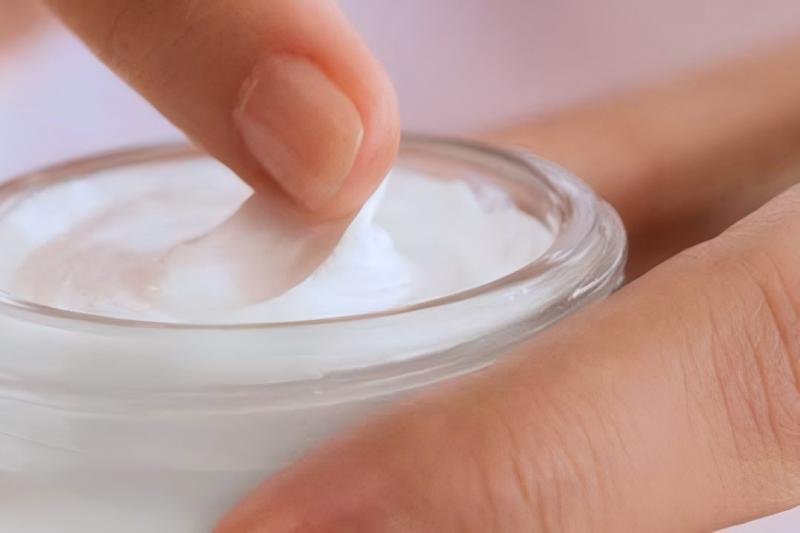
Cosmetic companies use food-grade fumaric acid in skincare and haircare products. It helps balance pH levels, making products gentler. In creams and lotions, it acts as a gentle exfoliant, removing dead skin cells and leaving skin radiant. Fumaric acid also moisturizes the skin, replenishes moisture, and prevents fungal growth. In shampoos and shower gels, it improves lather and maintains vibrant color. These properties make it ideal for personal care.
Tip: Fumaric acid helps ensure the safety and stability of skincare products for sensitive skin.
Benefits and safety of fumaric acid
Functional Advantages
Fumaric acid offers numerous benefits to food and confectionery. Its low water absorption allows confectionery to stay dry and prevents it from sticking together. Fumaric acid has a strong, tangy flavor, but this tartness dissipates quickly. Confectionery manufacturers use it to make every bite flavorful. It mixes well with sweeteners and proteins, helping to control the acidity of confectionery. In baked goods, fumaric acid helps them become fluffy and stay fresh. In confectionery, it keeps the texture dry and the flavor stable. Fumaric acid functions identically in every batch, meaning that confectionery and food maintain the same taste every time.
Shelf Life & Stability
Fumaric acid helps extend the shelf life of food and confectionery. It lowers the pH level, inhibiting the growth of mold and bacteria. This keeps bread, tortillas, and confectionery soft and fresh. Because of its low water absorption, confectionery remains dry even in humid environments. Fumaric acid is an effective preservative, protecting the tartness and flavor of confectionery and other foods. It helps extend the shelf life of food, thus reducing food waste. Many gummy candy recipes use fumaric acid to maintain a rich tartness and chewy texture.
Consumer Safety
Organizations worldwide consider fumaric acid safe in food and confectionery. The U.S. Food and Drug Administration (FDA) lists it as GRAS (Generally Recognized As Safe), meaning it is safe. The European Union designates it as E297. The Joint FAO/WHO Expert Committee on Food Additives (JECFA) also considers it safe, even in large quantities. The table below shows its approval status:
| Regulatory Agency | Approval Status | Safety Limit |
|---|---|---|
| FDA (U.S.) | GRAS | No upper limit specified |
| JECFA | ADI not specified | No evidence of harm |
| EU | Approved as E297 | Not specified |
Fumaric acid is similar to other food acids. The U.S. Food and Drug Administration (FDA) and the European Food Safety Authority (EFSA) recommend an intake of 10 mg per kilogram of body weight per day. Malic acid and citric acid are also safe, but fumaric acid stands out for its rich sour taste and safety profile. Confectionery manufacturers choose fumaric acid because it ensures that every gummy bear has the same tartness. Fumaric acid also helps candies retain their shape and tartness.
Note: Fumaric acid helps candies maintain their tartness, flavor, and chewy texture, making it a preferred ingredient in many gummy bear recipes.
Fumaric acid in gelatin helps gummies and candies maintain a good texture and extend their shelf life. This ingredient keeps snacks fresh and chewy. Individuals and businesses should choose high-quality ingredients. NORBIDAR is a trusted fumaric acid supplier. The table below lists the reasons for NORBIDAR’s popularity:
| Benefit | Description |
|---|---|
| High Quality | Follows strict rules for safety and purity |
| Multifunctional Additive | Makes snacks sour, keeps pH steady, and stays fresh |
| Regulatory Approval | FDA and EFSA say it is safe |
| Technical Expertise | Gives advice about how to use and mix it |
| Global Reach | Sends products all over the world |
FAQ
What are the uses of fumaric acid in gelatin?
Fumaric acid in gelatin gives gummies and candies their chewy texture and tartness. Food manufacturers use it to improve the taste of snacks. It also extends the shelf life of snacks and maintains their good texture.
Is fumaric acid safe to eat?
Yes, fumaric acid is safe to eat. Agencies such as the U.S. Food and Drug Administration (FDA) and the European Food Safety Authority (EFSA) consider fumaric acid safe for use in food. It is safe as long as it is used in appropriate amounts.
Can people with allergies consume products containing fumaric acid in gelatin?
People allergic to animal products should carefully read the label. Gelatin is derived from animal collagen. Fumaric acid generally does not cause allergies.
How does fumaric acid help keep food fresh?
Fumaric acid lowers the pH value of food. This inhibits the growth of mold and bacteria. It helps extend the shelf life of snacks and ensures food safety.
Where can food manufacturers purchase high-quality fumaric acid?
Food manufacturers can purchase high-quality fumaric acid from trusted brands such as NORBIDAR. NORBIDAR sells pure and safe fumaric acid suitable for a wide range of food products.