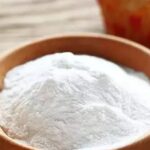

Fumaric acid has a wide range of applications, covering numerous industries including food, beverages, pharmaceuticals, personal care, and animal feed. Food and beverage manufacturers rely on fumaric acid to enhance product flavor and extend shelf life. In the pharmaceutical industry, fumaric acid is used to improve drug stability and efficacy. Personal care products benefit from fumaric acid, ensuring their safety and efficacy. Animal feed manufacturers use fumaric acid to promote animal health and support environmental sustainability. NORBIDAR is a trusted manufacturer of food-grade fumaric acid, committed to continuous improvement in product quality and innovation.
Key Takeaways
- Fumaric acid improves the taste of food and beverages and helps extend their shelf life. Therefore, many companies use it.
- In the pharmaceutical industry, fumaric acid helps extend the shelf life of drugs and improve their efficacy. It is widely used to treat psoriasis and multiple sclerosis.
- Fumaric acid is safe and reliable in personal care products. It gently removes dead skin and balances the skin’s pH. It is especially suitable for people with sensitive skin.
- Adding fumaric acid to animal feed helps animals maintain stomach health. It also reduces methane emissions, which is beneficial to both animals and the natural environment.
- Nobita provides high-quality fumaric acid, ensuring its safety and effectiveness, and its suitability for a wide range of products.
Fumaric Acid Uses in Food & Beverages

Fumaric acid plays a vital role in the food industry, functioning as an acidifier, flavor enhancer, and preservative.
Flavor Enhancer & Acidulant
Fumaric acid imparts a strong sour taste to foods and beverages. It acts as an acidifier by lowering and maintaining a stable pH level. This helps preserve the vibrant color and fresh flavor of food. Food manufacturers favor fumaric acid because it is more acidic than citric acid. They can achieve the same sour taste with a smaller amount, thus saving costs. Fumaric acid dissolves slowly, resulting in a longer-lasting sour taste. It also helps inhibit the growth of harmful bacteria, ensuring food safety and edibility.
Tip: Fumaric acid’s strong sour taste and slow-release properties make it ideal for confectionery, powdered beverages, and fruit snacks.
The table below lists some food and beverage companies that use fumaric acid as a flavor enhancer or acidifier:
| Food or Beverage | Typical Fumaric Acid Concentration |
|---|---|
| Grape berries | 0.07 to 10.69 mg/L |
| Wines | Less than 31 mg/L |
| Apples | Presence confirmed |
| Berries | Presence confirmed |
| Tomatoes | Presence confirmed |
| Carrots | Presence confirmed |
Preservative & pH Regulator
Fumaric acid helps extend the shelf life of food. It acts as a preservative by increasing the acidity of food, thereby inhibiting the growth of bacteria such as Listeria and E. coli. Studies have shown that adding fumaric acid to cider and broccoli sprouts can reduce the number of harmful bacteria. Due to its slow dissolution, it is ideal for use in dried foods, helping to extend their shelf life. Food manufacturers often use it in combination with other preservatives to improve food safety.
Fumaric acid is more stable and has better heat resistance than other preservatives. This makes it ideal for solid foods and baked goods. It is safe for humans and animals, and its use is considered safe by agencies such as the U.S. Food and Drug Administration (FDA), the European Food Safety Authority (EFSA), and the World Health Organization (WHO).
Applications in Baked Goods and Beverages
Fumaric acid has a variety of uses in baked goods and beverages. In baked goods, it helps keep food fresh by inhibiting the growth of bacteria and mold. It also helps dough ferment, making it more elastic and softer. Bakers use it to extend the shelf life of bread and cakes. In beverages, fumaric acid can regulate pH levels, which is crucial for taste and safety.
NORBIDAR’s high-quality fumaric acid possesses all of these benefits, making it trusted by numerous food and beverage companies. Its strong preservative properties, high-temperature resistance, and low cost help businesses produce safe, delicious, and long-shelf-life foods.
Fumaric Acid in Pharmaceuticals & Health
Medications & Clinical Treatments
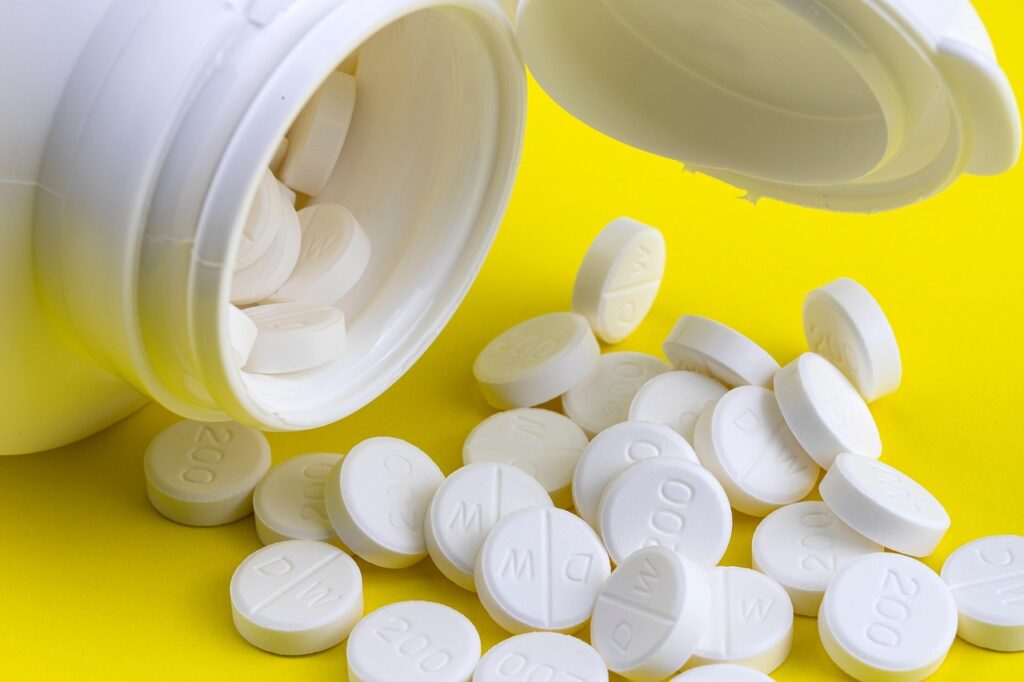
Pharmaceutical companies use fumaric acid in various ways. One major use is in the treatment of psoriasis. Doctors prescribe medications containing fumaric acid to patients with severe psoriasis. Dimethyl fumarate is a drug used to treat relapsing-remitting multiple sclerosis. Approved in 2013, it currently plays an important role in the treatment of multiple sclerosis. Some companies also use fumaric acid in tablets and capsules. These medications help treat psoriasis and other immune system disorders.
The table below explains the mechanism of action of fumaric acid therapy and its efficacy in research:
| Evidence Type | Description |
|---|---|
| Therapeutic Effects | Fumarates lower swelling and cell stress in over 40 diseases. |
| FDA and EMA Approval | Fumarates are approved for psoriasis and multiple sclerosis. |
| Mechanism of Action | Fumarates change the immune system and boost antioxidants. |
| Immunomodulatory Effects | Studies show fewer CD4+ and CD8+ T-cells after treatment, which helps psoriasis. |
| Neuroprotective Effects | Animal studies show better nerve protection in sclerosis models. |
Fumaric acid helps maintain drug stability. It is not easily decomposed at high temperatures. This ensures the safety and efficacy of drugs during production and storage. Fumaric acid also helps control pH and dissolves slowly. This allows for the slow release of drugs in the body.
Antioxidant & Neuroprotective Effects
Fumaric acid helps protect cells in the body. Drugs use it to combat damage caused by stress and swelling. Dimethyl fumarate and similar compounds can reduce nerve cell death. These drugs work by activating the Nrf2 pathway, thus helping the body protect itself. Studies have shown that these drugs do not rely on the HIF pathway, therefore their mechanism of action is unique.
The table below lists important information about the antioxidant and neuroprotective effects of fumaric acid:
| Findings | Details |
|---|---|
| Neuroprotective Effects | Dimethyl fumarate and MMF lower nerve cell death under stress. |
| Mechanism | The Nrf2 pathway is key for this medicine’s protection. |
| HIF Pathway | Fumaric acid esters do not use the HIF pathway. |
Medications utilize these properties to make treatments safer and more effective. Fumarate medications continue to help patients with psoriasis and sclerosis improve their quality of life.
Fumaric Acid in Personal Care
Skin Care & Exfoliation
Fumaric acid is found in skincare product. It is gentle yet effective. Many companies add it to creams, exfoliants, and pH adjusters. This ingredient helps remove dead skin cells, leaving skin looking brighter and smoother. People with sensitive skin often choose products containing fumaric acid. It soothes swelling without causing a strong reaction. Studies have shown that fumarate compounds, such as dimethyl fumarate, can reduce swelling and promote skin healing. These esters can block signals that cause redness and irritation. Scientists have also found that fumaric acid helps retain skin moisture.
Fumaric acid also has pH-regulating and skin-conditioning properties. It helps creams and gels remain stable and work better. Some products use fumaric acid because of its antifungal properties, thus protecting the skin from harmful bacteria. Those seeking gentle skincare often choose this ingredient for their daily routine.
Oral & Other Personal Products
Fumaric acid isn’t just used in skincare; it also contributes to the development of other personal care products. In hair care, it helps shampoos and conditioners maintain the correct pH level, resulting in smooth and healthy hair. Shower gels and soaps also use fumaric acid to promote ingredient blending, thereby enhancing product efficacy. Many companies choose fumaric acid because of its safety and environmental friendliness.
The table below illustrates the role of fumaric acid in various personal care products:
| Personal Care Application | Functional Advantages |
|---|---|
| Skin creams, lotions, ointments | Adjusts pH, keeps products stable, and improves performance |
| Exfoliants and skin conditioners | Removes dead skin cells, brightens skin, and soothes irritation |
| Antifungal topical products | Protects skin from fungal infections |
| Hair care (shampoos, conditioners) | Controls pH, keeps hair smooth and healthy |
| Bath and cleansing products | Mixes ingredients well, boosts effectiveness |
| Antioxidant synergist | Prevents oxidation, keeps products fresh |
Fumaric acid helps ensure product safety and high quality. Its gentle effects and soothing properties make it ideal for people with sensitive skin.
Industrial & Animal Nutrition Uses
Resins, Plastics & Coatings
Fumaric acid is an important component in the manufacture of high-strength materials. It is used in the production of unsaturated polyester resins for automotive, construction, and marine applications. These resins make products strong, durable, and have a longer lifespan. Fumaric acid also contributes to the production of alkyd resins. These resins help coatings dry quickly and maintain their gloss.
Unsaturated Polyester Resins: Used in automotive, construction, and marine manufacturing to enhance strength.
Alkyd Resins: Enable coatings to dry quickly and maintain their gloss.
Fumaric acid helps resins bond better together, thereby increasing the resin’s hardness and strength. It also helps coatings maintain their gloss and dry quickly. These properties help extend the product’s lifespan and maintain its appearance. Many companies use fumaric acid to enhance product performance.
Note: Currently, fumaric acid production utilizes new green methods that leverage renewable resources. This helps reduce the environmental impact of plastics and coatings production processes.
Animal Feed Additive
Farmers add fumaric acid to animal feed to promote animal growth. Fumaric acid contributes to gut health, helping animals absorb food better. It also reduces harmful bacteria in the stomach, thus helping animals grow faster and stay healthy.
| Livestock Segment | Uses in Feed | Observed Benefits |
|---|---|---|
| Poultry | Improves gut health, helps absorb nutrients, stops harmful bacteria | Better food safety, improved nutrient uptake |
| Swine | Boosts feed efficiency, supports gut health, helps piglets grow | Faster growth, healthier gut |
| Ruminants | Helps digestion, increases feed intake, supports health | Better feed use, improved health |
| Aquaculture | Improves water quality, helps feed work better, supports growth | Healthier and faster-growing fish |
Studies have shown that adding fumaric acid to animal feed can reduce methane emissions in cattle and sheep, which helps reduce greenhouse gas emissions and thus protect the environment. Fumaric acid is also found in some animal supplements. It helps animals stay healthy and thrive.
Fumaric Acid Safety & Regulation
FDA & Global Approvals
Fumaric acid is subject to strict safety regulations in many places. The U.S. Food and Drug Administration (FDA) states that fumaric acid is safe for food. Experts also agree that its use is safe. Food manufacturers in the United States can add it to bread, beverages, and snacks. The FDA limits the amount of fumaric acid in food to less than 0.1%. This ensures human safety and health.
The European Food Safety Authority (EFSA) has also approved the use of fumaric acid. In Europe, it is known as E 297. The EFSA regularly checks its safety but currently allows its use in a variety of foods. Australia and New Zealand also allow food manufacturers to use fumaric acid, which they call Food Additive 297.
| Region | Regulatory Approval Details |
|---|---|
| United States | FDA approves fumaric acid as a food additive and GRAS (Generally Recognized as Safe) |
| European Union | EFSA recognizes fumaric acid (E 297) as safe, with ongoing re-evaluation |
| Australia/New Zealand | Approved food additive with code number 297 |
Health Risks & Precautions
Studies and practical use indicate that most people do not experience problems. Some people may experience mild stomach pain or cramps. This is more common when taking medications containing fumaric acid. Most stomach side effects are mild and last about a week.
People should follow the label instructions and consult a doctor if they have any concerns. When used correctly, fumaric acid remains a safe choice for food, medicine, and personal care products.
Fumaric acid plays an important role in many industries. It improves the taste of food and beverages and extends shelf life. It also strengthens plastics and resins. Fumaric acid is also used in animal feed and personal care products. NORBIDAR sells food-grade fumaric acid, which is safe and pure. Its use in food and medicine is recognized by agencies such as the U.S. Food and Drug Administration (FDA) and the European Food Safety Authority (EFSA). Many companies choose NORBIDAR because they trust its quality and safety.
FAQ
Which foods contain fumaric acid?
Fumaric acid is present in many foods. Bakers add it to bread and cakes. Beverage manufacturers add it to fruit juices and mixed drinks. Snack manufacturers use it in candies and jellies to add a sour taste.
Is fumaric acid safe for children?
Experts agree that fumaric acid is safe when used properly. The U.S. Food and Drug Administration (FDA) and the European Food Safety Authority (EFSA) regularly inspect its safety. Foods containing fumaric acid must adhere to strict regulations to ensure the safety of everyone, including children.
How should businesses store fumaric acid?
Businesses need to store fumaric acid in a cool, dry place in sealed containers. This helps maintain its freshness and prevents it from sticking together. Good storage conditions ensure its quality.
Where can businesses purchase high-quality fumaric acid?
NORBIDAR sells high-quality fumaric acid. They utilize new technologies and rigorous quality control processes. Many businesses trust NORBIDAR because their fumaric acid is safe and reliable.