Fumaric acid, a versatile compound, has both natural and synthetic fumaric acid sources. Many plants and fungi naturally produce this organic acid, while factories manufacture it for a wide range of products. Understanding the fumaric acid source is crucial for ensuring food safety and maintaining high quality. People utilize fumaric acid to keep food fresh and flavorful, as it effectively inhibits the growth of harmful germs. Bacteria and molds are less likely to thrive in acidic environments. The source of fumaric acid can significantly influence food safety and compliance with strict regulations. Additionally, different sources can impact the environment, making safe production practices essential.
Key Takeaways
- Fumaric acid is in many plants and fungi. This makes it important for food safety.
- Companies make fumaric acid by chemical synthesis or fermentation. Fermentation is better for the environment.
- Fumaric acid makes food taste better and keeps it fresh. It also helps animals stay healthy. This makes it useful in many industries.
- Buying good fumaric acid from trusted suppliers keeps food safe. It also follows food rules.
- More people want bio-based ways to make fumaric acid. This shows people care about the environment.
What Is Fumaric Acid?
Fumaric acid is an organic compound. It looks like a white solid. This compound is important in nature. It is also used in many products. Scientists call it the trans-isomer of dicarboxylic acid. Its chemical formula is C4H4O4. The structure is HO2CCH=CHCO2H.
Fumaric acid is found in nature. Many plants and fungi have this compound. Some foods also contain fumaric acid.
People can find fumaric acid in wild foods. It is also in foods we eat often. Wild plants like fumitory and lichen have lots of this acid. Bolete mushrooms and Iceland moss are natural sources too. Fruits like papayas, pears, and plums have less fumaric acid. Dairy products may have fumaric acid sometimes.
The table below shows some plants and their fumaric acid levels:
| Plant Type | Fumaric Acid Concentration (g/100g dw) |
|---|---|
| Fruits | 1.3 – 2.4 |
| Leaves | 11.5 – 41.5 |
| Quince | Higher in phytic and fumaric acids |
Wild foods usually have more fumaric acid than farmed foods. Wild blueberries have more of this acid than regular blueberries. This makes wild blueberries taste stronger and more sour. The higher amount in wild foods changes flavor and nutrition.
The source of fumaric acid is important for food safety. Many foods we eat, like fruits and dairy, have this compound naturally. Wild plants and mushrooms have even more fumaric acid. This shows fumaric acid is important in nature and in our diets.
Industrial fumaric acid production
Factories make most fumaric acid today. They use special methods to make a lot for many industries. NORBIDAR is a top company. It follows strict safety rules and uses eco-friendly ways. NORBIDAR gives fumaric acid to food, drinks, animal feed, and other markets worldwide.
Chemical synthesis methods
Chemical synthesis is the main way to make lots of fumaric acid. This method starts with petrochemical materials. Factories use n-butene or benzene to make maleic anhydride. Then, they turn maleic anhydride into maleic acid. After that, they change maleic acid into fumaric acid with heat or special catalysts. This process makes a lot and works well for big factories.
- Chemical synthesis saves money because it uses old technology.
- It makes more product with less waste.
- The process uses much energy and needs fossil fuels.
- Oil prices can change how much it costs to make.
Chemical synthesis makes high-quality fumaric acid for many uses. These include food, animal feed, personal care, medicine, and chemical factories.
The table below shows how chemical synthesis and fermentation compare:
| Aspect | Chemical Synthesis | Fermentation Process |
|---|---|---|
| Sustainability | Uses fossil resources | Uses renewable feedstocks |
| Greenhouse Gas Emissions | 2.5 to 3.5 kg CO2 eq/kg product | Lower emissions because of biomass |
| Energy Consumption | High | 40-60% less energy used |
| Waste Generation | Hazardous waste | Byproducts can be reused |
Fermentation processes
Fermentation is a greener way to get fumaric acid. This method uses living microorganisms to turn sugars into fumaric acid. Factories often use fungi like Rhizopus oryzae and Rhizopus arrhizus. These fungi make lots of fumaric acid by changing their metabolic pathways.
- Fermentation uses renewable materials like glucose or glycerol.
- It makes less greenhouse gas and uses less energy than chemical synthesis.
- The process costs more because feedstocks and enzymes are expensive.
- Yields are lower, but new technology is making fermentation better.
The table below shows some microorganisms and their benefits:
| Microorganism | Advantages |
|---|---|
| Rhizopus oryzae | Makes lots of fumaric acid through special metabolic pathways. |
| Rhizopus arrhizus | Helps make fumaric acid using renewable biomass. |
Fermentation helps lower the environmental impact of making fumaric acid. It supports green goals and gives a renewable source for food and other industries.
Industrial applications
Industries use fumaric acid in many ways. The food industry uses it to boost flavor, keep food fresh, and control pH. Animal feed uses fumaric acid to help gut health and nutrient absorption. Personal care products use it as a stabilizer and pH adjuster. Medicine uses fumaric acid in drugs for psoriasis and multiple sclerosis. Chemical factories use it to make resins and plastics.
- Fumaric acid makes food taste better and last longer.
- It helps animals stay healthy.
- It keeps personal care products stable.
- It helps in medicine.
- It makes strong industrial materials.
NORBIDAR is a leader in safe and green fumaric acid production. The company uses smart machines and eco-friendly ways to save energy and cut waste. This makes NORBIDAR a trusted supplier for many uses.
Why Industries Produce Fumaric Acid
Industries make fumaric acid because natural sources are not enough. Many foods, medicines, and products need a lot of fumaric acid. The way fumaric acid is made can change how pure and safe it is. It also affects how it is labeled. Factories make very pure fumaric acid. This is important for food safety and good quality. Most food companies use factory-made fumaric acid. It meets strict rules for food additives and helps food last longer.
Food and Beverage
Fumaric acid is very important in food and beverages. It is a strong acidulant. It lowers the pH in bread, drinks, sauces, and candy. This acid makes food taste sour and fresh. People like this taste in sour candy and foods. Fumaric acid is also a food additive and preservative. It stops bacteria, molds, and yeasts from growing. This helps bread and juice stay fresh longer. In bread, fumaric acid keeps the texture soft. In drinks, it keeps flavors stable and stops spoilage. Food safety needs very pure fumaric acid. That is why factories make it for the food industry.
Animal Nutrition

Fumaric acid helps animals stay healthy and grow. It makes the gut healthier by lowering bad bacteria. It helps good microorganisms grow. Animals can digest food better and get more nutrients. Livestock that eat this acid grow faster and stronger. Fumaric acid also lowers methane in cows and sheep. This helps the environment. Animal feed must be safe. So, industries use high-quality fumaric acid that follows food safety rules.
| Benefit | Description |
|---|---|
| Improves gut health | Fumaric acid reduces harmful bacteria and supports beneficial microorganisms in the intestines. |
| Enhances nutrient use | It helps animals digest and absorb nutrients better. |
| Promotes growth | Animals grow faster and healthier with fumaric acid in their feed. |
| Lowers methane emissions | Fumaric acid reduces methane in ruminants, helping the environment. |
Pharmaceuticals and Personal Care
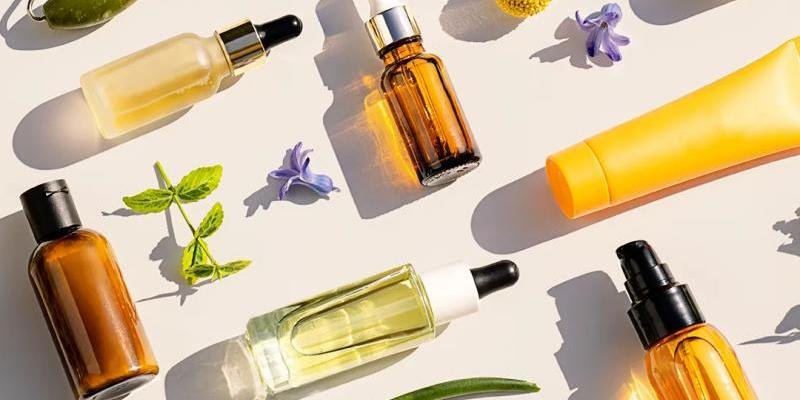
Fumaric acid used in medicine and personal care. It is an active ingredient and helps drugs work better. Doctors use it to treat psoriasis and multiple sclerosis. It lowers swelling and helps the immune system. In skin care, fumaric acid is a gentle exfoliant and pH adjuster. It makes skin smoother, brighter, and clearer. Very pure fumaric acid is needed for these uses. This keeps people safe and makes products work well.
Industrial Use
Fumaric acid is used in many products. It helps make strong resins that do not break down easily. These resins are used in cars, buildings, and boats. Fumaric acid is also used in paints, coatings, and plasticizers. It makes products stronger, more flexible, and last longer. Industries like fumaric acid because it is not toxic. It also helps make products that break down in nature.
Companies want to make fumaric acid in greener ways. They use bio-based methods to use less oil and make less pollution. New rules and customers want eco-friendly products. Working with scientists helps companies make fumaric acid better and find new uses.
The way fumaric acid is made, how pure it is, and where it comes from matter a lot. These things change food safety, product quality, and the environment. Industries keep working to follow food safety rules and protect the planet.
Fumaric acid is found in plants and fungi. Factories also make it. Knowing where fumaric acid comes from helps people pick safe foods. Groups like the FDA and EFSA check if it is safe to eat.
- People should look for certificates and good suppliers.
- Companies must follow rules and buy from trusted makers.
Experts say to get fumaric acid from good suppliers and follow rules.
| Trend Description | Details |
|---|---|
| Shift to Bio-based Methods | People want greener ways to make fumaric acid. |
| Clean-label Adoption | More people want bio-based fumaric acid. |
FAQ
What foods naturally contain fumaric acid?
Fumaric acid is found in many foods. Wild plants like fumitory and lichen have lots of it. Fruits like papayas, pears, and plums have a little. Some mushrooms and dairy foods also have fumaric acid.
Is industrial fumaric acid safe for food use?
Food-grade fumaric acid from trusted makers is very safe. Groups like the FDA and EFSA say it is okay for food. Always check for certificates from good suppliers.
Why do companies prefer industrial fumaric acid over natural sources?
Companies pick industrial fumaric acid because it is very pure. It is always the same quality. Natural sources do not make enough for big needs. Factories can control safety and labels better.
What are the main uses of fumaric acid in industry?
| Application | Purpose |
|---|---|
| Food and Beverage | Flavor, preservative, pH control |
| Animal Nutrition | Gut health, growth support |
| Pharmaceuticals | Medicine ingredient |
| Personal Care | Skin care, pH adjuster |
| Industrial Products | Resins, plastics, coatings |