Fumaric acid in bread is a popular food additive that helps control the acidity level, improving the overall quality of the bread. By maintaining a steady pH in the dough, fumaric acid in bread ensures that yeast performs efficiently during fermentation. It interacts with gluten proteins, enhancing the dough’s texture and making it easier to handle. Additionally, fumaric acid in bread acts as a preservative by inhibiting the growth of unwanted microorganisms, which helps extend the bread’s shelf life. Many bakers choose fumaric acid in bread because of its effectiveness and reliability in producing consistently high-quality baked goods.
Key Takeaways
- Fumaric acid keeps the acidity level right in bread. This helps yeast work well. It also makes the bread rise better.
- This additive makes dough feel nicer. It is easier to handle. The bread turns out softer and lighter.
- Fumaric acid works as a preservative. It stops mold and bacteria from growing. This makes bread last longer.
- Using fumaric acid can help bakeries save money. It makes bread better and cuts down on waste.
- Fumaric acid is safe to eat. Groups like the FDA say it is okay to use in food.
What is fumaric acid?

Fumaric acid is a natural compound found in many foods. It is used as a food additive in bread and other products. Fumaric acid is a dicarboxylic acid with the formula C₄H₄O₄. It looks like a white powder and does not have a smell. The taste is a little sour.
Chemical properties
- Fumaric acid can handle heat and does not break down easily.
- It does not take in water from the air.
- It does not dissolve well in cold water but does in hot water, ethanol, or acetone.
- Fumaric acid has a trans-configuration, which makes it more stable than maleic acid.
- It is a weak acid, with two pKa values (about 3.03 and 4.44).
- This compound is important in the TCA cycle, which helps cells make energy.
These features help fumaric acid work well in bread. It controls acidity and helps bread last longer.
Natural and industrial sources
Fumaric acid is found in some foods. Bolete mushrooms and Iceland moss are two examples. The human body also makes fumaric acid during normal processes, especially when skin gets sunlight.
Factories make fumaric acid by fermentation. Fungi like Rhizopus oryzae and Aspergillus niger turn sugars into fumaric acid in tanks. This way is good for the environment. Another way is to change maleic acid with heat or a catalyst. Some factories get fumaric acid as a by-product when making other chemicals.
Because fumaric acid is found in nature and made easily, it is a safe and popular food additive in bread and other foods.
Uses of fumaric acid in bread
Acidity regulation and pH control
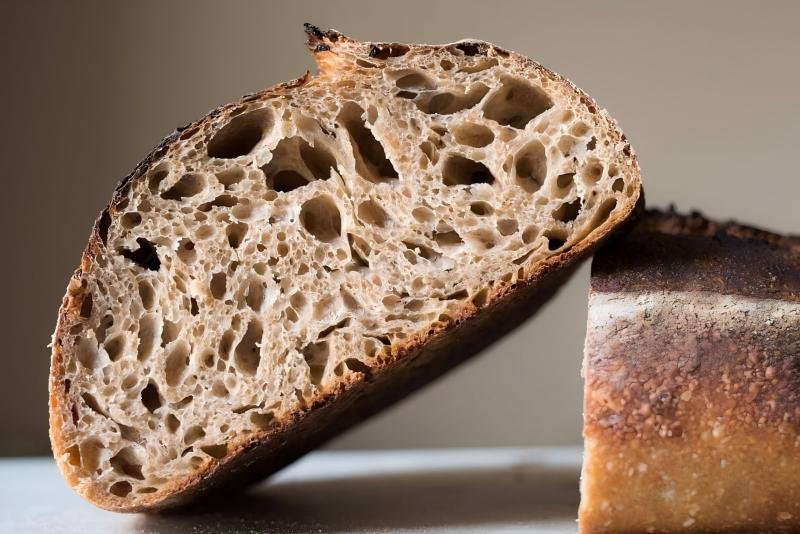
Fumaric acid in bread helps control how sour the dough is. Bakers use it to keep the dough’s pH between 5.8 and 6.2. This range is good for yeast. It helps yeast work well and makes bread rise. When pH stays steady, yeast makes gas easily. This gas helps bread get bigger. Fumaric acid gives bread a gentle sour taste. It does not make bread taste too sharp. Strong acids can make bread taste harsh. Fumaric acid avoids this problem. Many recipes use fumaric acid for reliable results.
Tip: Fumaric acid in bread keeps the dough nice for yeast. This makes bread taste better and feel softer.
Flavor enhancement and sour notes
Fumaric acid in bread makes the flavor better. It adds a soft sour taste to bread. Artisan and sourdough breads use fumaric acid for this reason. It helps bread taste pleasant and not too sharp. Fumaric acid also makes dough more stable. This changes how bread feels and tastes. Bakers pick fumaric acid in bread to avoid bad flavors.
| Role of Fumaric Acid | Description |
|---|---|
| Acidity Regulator | Keeps pH right for yeast, helps fermentation, stops bad flavors. |
| Flavor Enhancer | Gives a gentle sour taste that makes bread taste better. |
| Dough Texture | Makes dough stable and improves how bread feels. |
| Sour Note Development | Adds nice sour notes in artisan and sourdough breads. |
| Dough Rheology | Makes dough easier to handle and gives bread more holes. |
| pH Stabilization | Keeps pH at 5.8-6.2, which is best for yeast. |
| Mild Sourness | Gives a mild sour taste without hurting your mouth. |
Preservation and mold inhibition
Fumaric acid in bread helps keep bread fresh. It stops mold and bacteria from growing. This makes bread last longer. Studies show bread with fumaric acid stays mold-free longer than bread with calcium propionate. Dimethyl fumarate, which is similar, keeps bread fresh for over a year. Fumaric acid in bread helps bakers protect their bread.
| Preservative | Mold-Free Duration | Effectiveness Against Spoilage Microorganisms |
|---|---|---|
| Fumaric Acid | 23 days | Stops some molds and bacteria from growing. |
| Calcium Propionate | 12 days | Not as good at stopping spoilage. |
| Substance | Amount (g/kg flour) | Mold Growth Observed | Shelf Life (days) |
|---|---|---|---|
| Calcium Propionate (CP) | 0–1.92 | Yes | 16–30 |
| Dimethyl Fumarate (DMF) | 0.32 or more | No | 475 |
Dough texture and shelf life
Fumaric acid in bread makes dough stronger and bread softer. It helps dough hold gas, so bread is lighter and more even. Bakers see bread tear better and feel softer with fumaric acid. The shelf life gets longer because microbes cannot grow. Fumaric acid in bread can take the place of other acids like citric, lactic, and tartaric. It also makes dough easier to shape.
| Preservative Type | Effect on Shelf Life | Effect on Dough Texture |
|---|---|---|
| Fumaric Acid (0.2%) | Shelf life is much longer because mold does not grow | Bread feels better and tears more easily at first. |
| Sodium Propionate (0.3%) | Not given | Not given |
| Sodium Propionate-Fumaric Acid Mixture | Shelf life is longer | Bread feels better and tears more easily. |
| Benefit | Description |
|---|---|
| Improved Dough Stability | Helps dough hold gas and makes bread lighter and more even. |
| Extended Shelf Life | Stops microbes from growing and keeps bread fresh longer. |
| Cost-Effective | Works well with less acid, so it saves money for bakeries. |
Encapsulated forms and their effect on flavor
Encapsulated fumaric acid in bread has special benefits. The coating lets the acid out slowly while baking. This gives bread a light sour taste and stops strong flavors. Encapsulated forms help bread stay soft and fresh longer. They also make dough easier to mix and shape. This leads to bread with more holes and a lighter feel. Bakers use encapsulated fumaric acid in bread for even flavor and better shelf life.
| Effect on Bread | Description |
|---|---|
| Flavor | Gives a light sour taste and stops strong flavors, so bread tastes more even. |
| Shelf Stability | Keeps bread fresh longer than other acids and stops tearing. |
| pH Control | Lowers pH when hot, which helps preservatives like calcium propionate work better. |
| Dough Handling | Makes dough easier to mix and shape, so bread is lighter and has more holes. |
Note: Fumaric acid in bread is a very good acidulant. It can replace citric, lactic, and tartaric acids. It also makes dough easier to work with and improves flavor.
Fumaric acid safety
Regulatory status
Many countries let bakers use fumaric acid in bread. Food safety groups checked it and said it is safe. The table below shows how different groups approve fumaric acid:
| Regulatory Agency | Approval Status | Notes |
|---|---|---|
| FDA | GRAS | No limit for how much you can eat |
| JECFA | ADI not specified | No proof of harm even if you eat a lot |
| EU | Approved as E297 | Allowed in food and medicine |
Companies follow strict rules when making fumaric acid. These rules help keep the ingredient pure and safe for bread.
Consumption and health
Scientists studied how fumaric acid affects people. Most people do not have problems after eating foods with fumaric acid. Some may get mild side effects like an upset stomach or red skin. Rarely, doctors see changes in blood tests or liver tests, but this does not happen often.
- Fumaric acid is safe to eat in food.
- The FDA and EFSA both checked it.
- It is almost non-toxic when used right.
Studies show kids with health problems like psoriasis can take fumaric acid without big issues. Pregnant women who eat foods with fumaric acid usually have healthy babies. Most babies grow well and do not have major health problems.
Common concerns
Some people worry about allergies to fumaric acid. Allergies can cause swelling, rash, or trouble breathing. The table below lists possible symptoms:
| Symptom/Health Outcome | Description |
|---|---|
| Allergic Reactions | Swelling of face, lips, tongue, or throat; bad rash |
| Liver Issues | Yellow skin, dark pee, bad stomach pain |
| Cardiac Concerns | Chest pain, fast heartbeat, shortness of breath |
| Insomnia | Trouble sleeping |
| Rash | Rash that needs a doctor |
Most people do not get these problems. People with allergies should check food labels. The most common side effects are stomach pain, diarrhea, or feeling sick. These effects are mild and go away fast.
Note: Bread makers use good quality fumaric acid that meets world safety rules. This keeps people safe and makes sure bread is safe to eat.
Fumaric acid is important in making bread.
- It keeps pH steady so yeast can do its job. This also stops bad tastes from forming.
- It makes dough feel better and helps bread rise higher. Bread turns out lighter and bigger.
- It keeps bread from getting moldy, so it lasts longer.
- It helps bakeries spend less money.
| Aspect | Description |
|---|---|
| Freshness | Encapsulated types help bread stay fresh for more days. |
| Clean Label | Helps make the ingredient list simpler. |
| Compatibility | Works with new rising agents for special breads. |
| Flavor Impact | Gives bread a soft sour taste that most people like. |
Fumaric acid is safe, checked by rules, and trusted in bread.
FAQ
What does fumaric acid do in bread?
Fumaric acid helps bread stay fresh longer. It keeps the dough at the right pH for yeast. Bakers use it to improve bread texture and add a mild sour taste.
Is fumaric acid safe to eat?
Food safety groups like the FDA and EFSA approve fumaric acid. Most people can eat it without problems. Allergic reactions are rare.
Does fumaric acid change the taste of bread?
Fumaric acid gives bread a gentle sour flavor. It does not make bread taste too sharp. Many people enjoy the improved taste.
Can people with allergies eat bread with fumaric acid?
| Allergy Concern | What to Do |
|---|---|
| Mild symptoms | Check food labels |
| Severe allergy | Ask a doctor before eating |
Most people do not react, but those with allergies should stay careful.