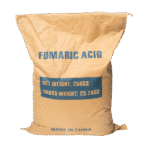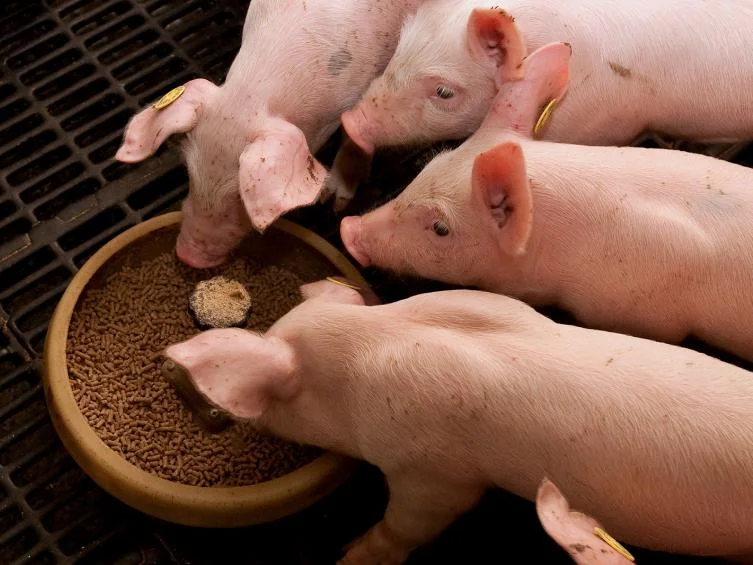
Fumaric acid is widely present in numerous foods and daily products and plays an essential role in everyday life; it occurs naturally as well as in processed items, with common natural dietary sources including mushrooms, lichens, and citrus fruits, while in processed foods fumaric acid serves to enhance flavor and preserve freshness, commonly found in soft drinks, baked goods, and animal feed, and it is also extensively used across industries such as food, animal nutrition, and personal care products, where this versatile compound improves taste, extends shelf life, and boosts overall product quality, supporting both natural and manufactured goods across multiple sectors.
Key Takeaways
- Fumaric acid is found in foods such as mushrooms, carrots, and citrus fruits. It adds flavor and keeps food fresh.
- Processed foods also use fumaric acid to improve texture. It helps keep food fresh and delicious. You can find it in baked goods and beverages.
- In animal nutrition, fumaric acid helps animals digest food better and maintain gut health. This contributes to animal growth and development.
- Fumaric acid is safe for consumption. Agencies such as the U.S. Food and Drug Administration (FDA) state that fumaric acid is safe when used in appropriate amounts.
- This beneficial compound is also found in personal care products. It helps balance the skin’s pH, promoting healthier skin.
Fumaric Acid Found In Natural Sources

Foods Rich in Natural Fumaric Acid
Fumaric acid is found in many foods we eat. Some fruits and vegetables are rich in it. The leaves, stems, and buds of radishes contain fumaric acid. Cornus officinalis also contains a significant amount of fumaric acid, which is why it has a sour taste. Wild strawberries also contain small amounts of fumaric acid, but their flavor is not strong. The table below lists the fumaric acid content in these foods:
| Fruit/Vegetable | Fumaric Acid Concentration | Notes |
|---|---|---|
| Radishes | High | Found in leaves, stems, and sprouts. |
| Dogwood | High | Contributes to sour taste. |
| Wild Strawberries | Moderate | Contains organic acids, but less impact on taste. |
Those seeking natural fumaric acid can consume the following foods. These fruits and vegetables add a tangy and refreshing flavor to meals.
Plants and Mushrooms as Sources of Fumaric Acid
Many plants and mushrooms contain fumaric acid. Corydalis, Iceland moss, lichens, Arabidopsis thaliana, and soybeans all contain fumaric acid. Some mushrooms, such as Amanita phalloides, Boletus edulis, Pinot Noir, Lactarius deliciosus, Boletus edulis, and enoki mushrooms, are known for their high fumaric acid content.
The table shows the exact amount in grams per 100 grams for each mushroom:
| Mushroom Species | Fumaric Acid Level (g/100g) |
|---|---|
| Species A | 0.01 ± 0.01 |
| Species B | 0.16 ± 0.01 |
| Species C | 0.09 ± 0.01 |
| Species D | 0.13 ± 0.02 |
| Species E | 0.18 ± 0.02 |
| Species F | 0.18 ± 0.00 |
| Species G | 0.01 ± 0.01 |
Some mushrooms are rich in fumaric acid, making them both edible and usable in food processing.
Other Natural Sources
Fumaric acid can also be derived from the environment. Agricultural waste, such as sugarcane bagasse, can produce fumaric acid through fermentation. Fermentation utilizes plant materials to convert sugars into fumaric acid. Researchers are exploring using energy-producing sugarcane bagasse syrup and other raw materials to replace pure sugar in the production of fumaric acid.
| Environmental Source | Description |
|---|---|
| Agricultural Residues | Fumaric acid can be made from plant leftovers, like bagasse, which is a renewable material. |
| Fermentation Process | Fermentation with plant material helps make fumaric acid, turning sugars into this compound. |
| Renewable Feedstocks | Using syrup from energy cane bagasse is being tested instead of pure sugar for making fumaric acid. |
These sources show fumaric acid is in plants, foods, and the environment. Fermentation helps make more fumaric acid for many uses.
Fumaric Acid in Foods and Products
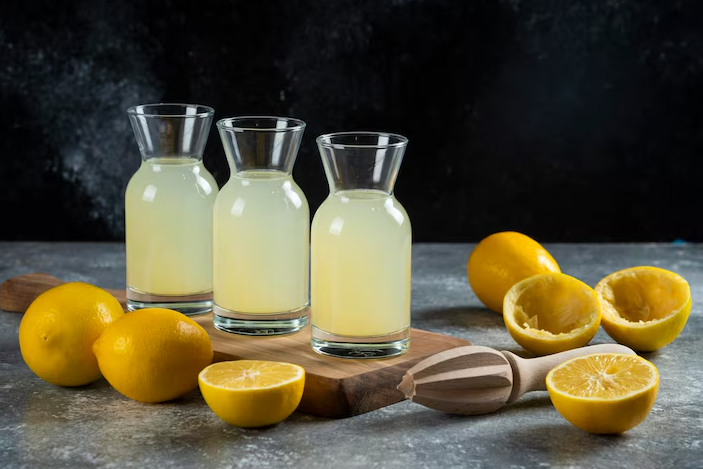
Processed Foods Containing Fumaric Acid
Many processed foods use fumaric acid to improve taste and texture. Food manufacturers add fumaric acid to many products to give them an acidic flavor. Fumaric acid also helps extend the shelf life of foods. It is a preservative that helps maintain the acid-base balance of foods. This helps packaged foods stay fresh and safe.
The table below lists the types of processed foods containing fumaric acid and their main uses:
| Food Category | Application Description | Usage Level/Effect |
|---|---|---|
| Beverages | Adds tartness and controls acidity in juices and soft drinks. | Gives a sour taste and keeps pH balanced. |
| Baked Goods | Makes dough stronger and keeps bread, cakes, and muffins fresh. | Keeps texture good and stops spoilage. |
| Confectionery | Used in sour candies and gummies for a strong sour taste. | Helps texture and keeps shape. |
| Processed Foods | Added to sauces, jams, and jellies for better flavor and stability. | Keeps products stable and good quality. |
| Dry Mixes and Powders | Stops clumping in seasoning powders and baking mixes. | Lowers moisture and keeps powder dry. |
| Dairy Products | Balances acidity in cheese and yogurt for better taste and texture. | Helps keep dairy stable and fresh. |
| Cured Meats | Keeps pH and freshness in processed meats. | Improves flavor. |
NORBIDAR’s Fumaric Acid is trusted for these uses. Food companies pick NORBIDAR because it is pure and works well. This makes sure bread, cakes, candies, and sauces taste sour and stay fresh.
Beverages and Dairy Products
Fumaric acid is commonly added to beverages to give them a refreshing tartness. Soft drinks and mixed fruit juices use fumaric acid to balance the sweet and sour taste. Fumaric acid not only imparts a refreshing tartness to beverages but also extends their shelf life.
Dairy products also use fumaric acid. Cheese manufacturers add it to control acidity and improve taste and texture. Yogurt producers use it to add a rich tartness and extend shelf life. Chocolate milk and eggnog are sometimes also made with fumaric acid to maintain their smooth and fresh texture.
Many drinks and dairy foods have fumaric acid:
- Soft drinks and juice blends
- Yogurt and cheese
- Chocolate milk and eggnog
Nobita provides high-quality fumaric acid to beverage and dairy manufacturers. This helps ensure consistent taste and compliance with safety standards across all products.
Animal Nutrition and Feed
Fumaric acid plays a vital role in animal feed. Feed manufacturers add fumaric acid to aid in animal digestion and nutrient absorption. It is a feed acidifier that creates an acidic environment in the gut. This promotes the growth of beneficial bacteria and inhibits the proliferation of harmful microorganisms.
The table below illustrates the benefits of fumaric acid for different animals:
| Animal Species | Typical Inclusion Level | Main Benefits |
|---|---|---|
| Pigs | 0.5% – 1% | Better digestion and growth |
| Poultry | 0.5% – 1% | Healthy gut and better absorption |
| Ruminants | 0.5% – 1%+ | Safe and efficient metabolism |
| Dogs | 0.5% – 1% | Tasty feed and good digestion |
Feed manufacturers use fumaric acid to help animals grow and maintain health. Adding 1% fumaric acid to chick feed can increase chicks’ energy levels and promote growth. An acidic gut helps protect the intestines and improve animal production performance.
NORBIDAR fumaric acid is the preferred ingredient in animal feed. Its high quality helps animals obtain all the benefits, thus promoting animal health and good husbandry practices.
Uses of Fumaric Acid
Enhancing Flavor and Preservation
Fumaric acid plays an important role in food production. Food manufacturers use it to impart acidity to food. It also helps maintain the safety and freshness of food. Fumaric acid can inhibit the growth of harmful bacteria in baked goods and beef. It maintains proper acidity and pH levels in food and beverages. This improves the taste of food and extends its shelf life. The table below shows how fumaric acid and citric acid help keep food fresh:
| Acid | Shelf Life Extension Capability |
|---|---|
| Fumaric Acid | Improves shelf life by stopping spoilage and controlling pH levels. |
| Citric Acid | Slows down bacteria, mold, and yeast growth, extending shelf life. |
NORBIDAR provides high-quality fumaric acid to food manufacturers, helping to ensure food safety and deliciousness.
Industrial and Medical Uses
Fumaric acid is widely used in numerous factories. Companies use fumaric acid to produce polyester resins for coatings and plastics. Automakers use these resins to manufacture lightweight yet strong body panels and bumpers. Fumaric acid also helps in the production of alkyd resins for paints, resulting in paints with strong adhesion and durability. In the medical field, fumaric acid is used in a variety of treatments. Fumaric acid derivatives are used to treat skin infections. Ferric fumarate helps treat iron-deficiency anemia. Dimethyl fumarate is a medication used to treat multiple sclerosis, helping to regulate the immune system and reduce swelling. Fumaric acid also aids in cancer treatment. Some studies suggest that fumaric acid may help fight cancer by altering cellular metabolism. Doctors also use fumaric acid to treat psoriasis.
| Application Type | Description |
|---|---|
| Antifungal Treatments | Fumarate derivatives treat skin infections. |
| Nutritional Supplements | Iron fumarate treats iron-deficiency anemia with high bioavailability. |
| Multiple Sclerosis Treatments | Dimethyl fumarate treats relapsing forms of sclerosis by lowering inflammation. |
Nobita supplies fumaric acid to the manufacturing and pharmaceutical industries.
Personal Care Applications
Fumaric acid is also used in personal care products. Many skin creams use fumaric acid to maintain the skin’s pH balance. This helps creams and lotions to be effective and extends their lifespan. Fumaric acid has a gentle exfoliating effect, helping to remove dead skin cells and leaving the skin smoother. The table below lists the applications of fumaric acid in cosmetics:
| Benefit | Description |
|---|---|
| Antioxidant Properties | Protects skin from damage. |
| Anti-inflammatory | Reduces redness and calms skin. |
| pH Adjustment | Keeps products safe and effective. |
| Mild Exfoliation | Helps shed dead skin cells for smoother skin. |
| Increases Skin Elasticity | Makes skin firmer and more youthful. |
| Reduces Wrinkles | Lessens fine lines and wrinkles. |
| Improves Hair Health | Supports strong, healthy hair. |
Fumaric acid also helps protect cells and supports metabolism. Many brands use NORBIDAR’s fumaric acid because it is safe and works well.
Tip: Fumaric acid in skincare can help with psoriasis and keep skin healthy.
Fumaric Acid Safety
Regulatory Guidelines
Many groups around the world make rules for using fumaric acid in food. These groups include the FDA in the United States, EFSA in Europe, and JECFA for the world. In the United States, the FDA says fumaric acid is GRAS. This means it is safe to use in food. The European Union and other places also let people use it in many products. Each type of food has a limit for how much fumaric acid can be used. This keeps people safe.
| Food Category | Maximum Level (mg/kg) |
|---|---|
| Fruit-flavoured desserts | 4000 |
| Sugar confectionery | 1000 |
| Chewing gum | 2000 |
| Decorations, coatings and fillings | 1000 |
| Fillings and toppings for fine bakery ware | 2500 |
| Instant products for flavoured tea and herbal infusions | 1000 |
| Gel-like desserts, fruit-flavoured desserts, dry powdered dessert mixes | 1000 |
Both the U.S. Food and Drug Administration (FDA) and the European Food Safety Authority (EFSA) have stated that fumaric acid is safe when used correctly. These agencies establish rules based on science to protect public health.
Health Considerations
Scientists and health experts have long studied fumaric acid. The FDA, EFSA, and the Joint FAO/WHO Expert Committee are all investigating its safety. They have set daily intake limits to help people use it safely.
| Organization | Acceptable Daily Intake (ADI) |
|---|---|
| FDA | 10 mg/kg body weight per day |
| Joint FAO/WHO Expert Committee | 0-6 mg/kg body weight |
| European Union | 780 micrograms per person per day |
| EFSA | No specific limits set |
Most people can eat foods with fumaric acid and feel fine. Some people may get mild side effects if they eat too much. These can be stomach problems, red skin, or kidney trouble. People with weak immune systems, kids, and older adults should be extra careful.
| Side Effect | Description |
|---|---|
| Kidney disorders | May occur with high intake. |
| Gastrointestinal upset | Common with excess consumption. |
| Skin flushing | Occurs frequently. |
| Decreased white blood cell counts | Seen with long-term use. |
| Population Group | Sensitivity to Fumaric Acid |
|---|---|
| People with compromised immune systems | May react more strongly. |
| People with low lymphocyte counts | Should avoid excess intake. |
| Children | Need extra caution. |
| Older adults | Require special attention. |
Note: Health experts say fumaric acid is safe in food if you follow the rules. Always read labels and be careful if you are sensitive.
Studies show fumaric acid is as safe as other food acids like malic acid and citric acid. The FDA and EFSA both agree it is safe for food when used the right way.
Fumaric acid is found in tomatoes, carrots, mushrooms, and many other foods. Food companies add fumaric acid to candies, baked goods, jams, sauces, and powdered beverages. Doctors use fumaric acid as an adjunct treatment for psoriasis and multiple sclerosis. Factories use fumaric acid to produce plastics and resins. In food, fumaric acid can improve the texture and maintain appropriate acidity. The U.S. Food and Drug Administration (FDA), the European Food Safety Authority (EFSA), and the Joint FAO/WHO Expert Committee on Food Additives (JECFA) all consider fumaric acid safe for consumption. Fumaric acid used in food must be pure. People should check fumaric acid labels and choose reputable brands. Fumaric acid is beneficial to health and helps ensure food safety.
| Source/Use | Description |
|---|---|
| Natural Sources | Found in tomatoes, carrots, mushrooms, and many fruits and vegetables. |
| Processed Foods | Added to candies, baked goods, jams, sauces, and powdered drinks. |
| Health Benefits | Used by doctors for psoriasis and multiple sclerosis. |
| Industrial Uses | Used in making plastics and resins. |
FAQ
What are the uses of fumaric acid in food?
Fumaric acid adds an acidic flavor to food and helps preserve baked goods. Food manufacturers use it in candies, beverages, and sauces. It also helps control the pH of many products.
Is fumaric acid safe to consume?
Health experts say that fumaric acid is safe for use in food. The U.S. Food and Drug Administration (FDA) and the European Food Safety Authority (EFSA) have assessed its safety. People should follow the relevant guidelines for consumption. Most people will not experience problems after consuming it.
Which foods naturally contain fumaric acid?
Many fruits and vegetables contain fumaric acid. Mushrooms, radishes, and wild strawberries also contain fumaric acid. Some plants and lichens also contain fumaric acid. Fumaric acid can be found in both fresh and cooked foods.
Why is fumaric acid added to animal feed?
Animal nutritionists add fumaric acid to animal feed. It helps animals digest food better and promotes gut health and growth in pigs, poultry, and fish. Farmers use it to promote livestock health.
Do personal care products contain fumaric acid?
Many skin creams and lotions contain fumaric acid. It helps balance the skin’s pH and gently exfoliates. Some shampoos and hair care products also contain fumaric acid to improve hair health.