
Fumaric acid is a natural compound widely used in everyday products. It imparts a sour taste to many foods and helps keep them fresh. It can be found in fruits such as apples and blueberries. Some vegetables, such as spinach and radishes, also contain fumaric acid. Many industries use fumaric acid recycling and purification technologies to ensure its safety and purity.
Key Takeaways
- Fumaric acid is a natural compound found in fruits and vegetables that improves the taste of food and keeps it fresh.
- It plays an important role in the citric acid cycle, helping cells efficiently produce energy.
- Fumaric acid is widely used in numerous industries, including food, pharmaceuticals, and personal care, helping to maintain product stability and freshness.
- Farmers add fumaric acid to animal feed; it helps animals digest food better, reduces harmful bacteria, and thus maintains livestock health.
- Safety regulations ensure the purity and safety of fumaric acid. This makes it a trusted ingredient in many products.
Fumaric Acid Properties
Physical and Chemical Properties of Fumaric Acid
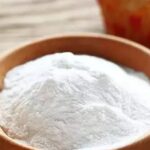
Fumaric acid, also known as trans-butenedioic acid, possesses unique physical and chemical properties. This compound is a white, odorless powder with a high melting point. It is not readily soluble in cold water but dissolves rapidly in hot water or alcohol.
Fumaric acid fermentation is a common method for producing this compound in many industries. Microorganisms convert sugars into fumaric acid during fermentation. This production method is environmentally friendly. Fumaric acid also reacts with various other chemicals. The table below lists some of the main reactions:
| Reaction Type | Description | Applications |
|---|---|---|
| Esterification | Fumaric acid reacts with alcohols to form diesters. | Used in pharmaceuticals and industrial applications. |
| Polymerization | Undergoes copolymerization to form unsaturated polyester resins. | Valued in construction, marine, and automotive industries. |
| Hydrogenation | Can be reduced to succinic acid. | Serves as a precursor for biodegradable plastics and solvents. |
| Complexation | Forms stable complexes with metal ions. | Important in dietary supplements and pharmaceuticals. |
Fumaric acid is typically biosynthesized through fermentation. This helps produce pure, high-quality fumaric acid for use in the food, pharmaceutical, and industrial sectors.
The Role of Fumaric Acid in Metabolism
Fumaric acid plays a crucial role in the citric acid cycle, which helps cells produce energy. Fermentation processes in nature and factories mimic how organisms synthesize fumarate. Fumaric acid helps convert food into ATP (adenosine triphosphate). ATP is the primary energy source for cells. The following steps illustrate the role of fumarate in metabolism:
- The citric acid cycle produces intermediates such as fumarate.
- Each step converts one intermediate into another to maintain the cycle.
- More intermediates, including fumarate, help the cycle function better.
The fermentation and biosynthesis of fumarate are vital in both nature and factories. In plants and animals, enzymes convert succinate to fumarate, and then to malate. This is essential for ATP synthesis. The fermentation of fumarate helps break down amino acids and contributes to the synthesis of molecules needed for cell growth and repair. Fermentation helps maintain energy and healthy development in both nature and factories.
Note: Fermentation processes are crucial for the production of fumarate in both nature and factories. It is a key concept in science and manufacturing.
Natural Sources of Fumaric Acid
Fumaric Acid in Nature
Fumaric acid is found in many plants and foods. Radish leaves, stems, and buds are rich in fumaric acid. Other vegetables contain lower amounts. Fumaric acid can also be found in apples, pears, and mushrooms. These foods utilize fumaric acid in their own life processes.
The fumaric acid content in plants depends on the environment. The mixing ratio of nutrients and oxygen levels are both crucial. Fungi living in the environment require sufficient oxygen to grow well. More oxygen helps produce more fumaric acid.
Fumaric Acid Extraction and Production
Scientists use different methods to obtain fumaric acid from nature. Microbial fermentation is a commonly used method. Some fungi, such as Rhizopus arrhizus and Rhizopus oryzae, can convert sugars into fumaric acid. This process takes place in a specially controlled environment. Humans can also obtain fumaric acid from plants, but in very small amounts.
Factory production uses more advanced processes to produce fumaric acid. They use new equipment to control the production process. This method produces more and purer fumaric acid compared to extraction from plants.
Factories can better control quality. Extracting fumaric acid from plants can be cumbersome and the purity may not be high enough. Traditional fermentation methods are low-yield and costly, so factories are adopting new methods to increase production.
Uses of Fumaric Acid
Applications of Fumaric Acid in Food and Beverages
The production of fumaric acid contributes to the production of many foods and beverages. Companies use this compound to improve the taste of food. Fumaric acid imparts a rich, refreshing acidity to food, making juices, candies, and baked goods more vibrant. It also helps dough ferment, making baked goods softer. Fumaric acid maintains stable acidity, ensuring food safety and freshness. It also inhibits the growth of harmful bacteria, extending the shelf life of food. In addition, this compound can balance sweetness and mask unpleasant aftertastes in processed foods.
The formation of fumaric acid also improves beverage quality. It does not absorb moisture from the air, thus maintaining the stability of beverages. Fumaric acid dissolves slowly, resulting in a slower pH change, which helps maintain the taste and texture of beverages. The table below shows how the formation of fumaric acid improves beverage quality:
| Benefit | Description |
|---|---|
| Low Hygroscopicity | Does not attract moisture, keeping drinks stable. |
| Controlled Acid Release | Gradual pH change preserves texture and flavor. |
| Strong Acidifying Power | Predictable acidifying effect enhances flavor. |
Food safety organizations have stated that the production process of fumaric acid poses no risk to food safety. Both the U.S. Food and Drug Administration (FDA) and the European Food Safety Authority (EFSA) have established relevant regulations to ensure public safety.
| Region | Regulatory Approval Details |
|---|---|
| United States | FDA approves fumaric acid as a food additive and GRAS substance. Amount must not exceed 0.1% by weight. |
| European Union | EFSA recognizes fumaric acid (E 297) as safe. Safe intake is 780 micrograms per person per day. |
NORBIDAR employs new technology to produce fumaric acid. They use a low-temperature enzymatic process to avoid side reactions. Their process ensures consistent quality of fumaric acid produced each time.
Fumaric Acid Applications in Animal Nutrition
The production of fumaric acid is crucial for animal feed. Farmers add this compound to feed to promote animal growth. Fumaric acid can lower the pH level in the stomach, helping animals absorb more nutrients. It also reduces harmful bacteria such as E. coli and Salmonella, thus preventing stomach diseases. Animals gain weight and have higher feed utilization rates. The production of fumaric acid helps balance the gut microbiota and maintain intestinal health.
| Benefit/Mechanism | Description |
|---|---|
| Acidification of Feed | Lowers pH, enhancing digestion and nutrient absorption. |
| Inhibition of Pathogenic Bacteria | Reduces harmful bacteria, preventing digestive disorders. |
| Improved Weight Gain | Leads to better weight gain and feed conversion ratios. |
| Support for Gut Health | Fosters balanced gut microbiota for optimal health. |
NORBIDAR is committed to developing more environmentally friendly and efficient methods for producing fumaric acid. They employ biosynthesis and novel separation methods to replace traditional chemical methods. These initiatives not only benefit the environment but also contribute to improved agricultural production.
Fumaric Acid in Industry and Personal Care

Fumaric acid is also an essential raw material for the manufacture of unsaturated polyester resins. These resins are used to produce high-strength plastics, such as fiberglass. Textile and leather manufacturers utilize fumaric acid to maintain vibrant colors and enhance product strength. Pharmaceutical companies use it as a raw material or to adjust pH levels, thereby improving drug efficacy.
Fumaric acid is also used in personal care products. Skincare and makeup products utilize this compound to maintain a suitable pH level. It helps creams and gels remain stable and perform at their best. There is a growing demand for products made with safe and environmentally friendly ingredients.
Medicinal Value of Fumaric Acid
Studies have shown that the production of fumaric acid may help treat psoriasis and multiple sclerosis. In psoriasis, fumaric acid reduces the number of certain immune cells by inducing cell death. In multiple sclerosis, animal studies have shown that fumaric acid can protect nerves and myelin sheaths.
Nobida’s advanced fumaric acid production process ensures the purity and stability of its products. They employ a low-temperature enzymatic process to avoid side reactions.
Note: Nobida focuses on innovative and green methods for fumaric acid production, benefiting the food, animal feed, industrial, personal care, and pharmaceutical industries. Their advanced technology and green production methods not only produce higher-quality products but also contribute to environmental protection.
Fumaric Acid Safety
Safety and Regulations
Many countries have strict regulations regarding the use of fumaric acid. These regulations cover the food and pharmaceutical industries. Food safety organizations state that this additive must be extremely pure, with a purity of at least 99.5% (by weight).
Note: Agencies such as the U.S. Food and Drug Administration (FDA) and the European Food Safety Authority (EFSA) conduct safety reviews before approving additives.
Side Effects of Fumaric Acid
Children, the elderly, and people with low lymphocyte counts need to be especially careful. People with weakened immune systems may experience stronger reactions.
Tip: Always follow the instructions when taking fumaric acid. Consult a doctor if side effects occur.
FAQ
What does fumaric acid taste like?
Fumaric acid gives food a very sour and astringent taste. This flavor is often found in candy. It is also present in fruit juices and some baked goods.
Is fumaric acid safe to consume?
Agencies such as the U.S. Food and Drug Administration (FDA) and the European Food Safety Authority (EFSA) state that consuming small amounts of fumaric acid is safe. Most people will not experience any problems after consuming fumaric acid.
Where do people encounter fumaric acid in their daily lives?
Fumaric acid is found in fruit juices, candy, and baked goods. It is also found in animal feed, skincare products, and some pharmaceuticals. It helps improve the taste of food and extend its shelf life.
How does fumaric acid help animals?
Farmers add fumaric acid to animal feed. It helps animals grow and digest food better, keeping their stomachs healthy. It also helps reduce methane emissions from farms.
Why do companies choose NORBIDAR’s fumaric acid?
NORBIDAR uses new technology to produce high-purity fumaric acid. Their practices save energy and protect the planet. Many companies trust NORBIDAR’s safety and quality.