Fumaric acid is a dicarboxylic acid that occurs naturally in many fruits, vegetables, fungi, and fermented foods — and it’s far more common in your diet than you might think. Biologically, it’s a key intermediate in the Krebs (TCA) cycle, the core energy-production pathway that runs in nearly every living cell. That same compound also happens to be what gives rhubarb its distinctive tang and what makes certain mushrooms taste faintly tart when raw.
This article catalogs the specific foods with the highest naturally occurring fumaric acid levels, compares concentrations across varieties and growing conditions where data exists, and clarifies a common point of confusion: the difference between the fumaric acid naturally present in your apple versus the industrially produced fumaric acid (E297) used as a food acidity regulator. If you’re looking for a quick reference, jump to the Top Sources Summary Table below.
Key Takeaways
- Top Natural Sources by Concentration: Rhubarb (highest documented), certain wild mushrooms (Boletus, Agaricus species), apples, grapes, and fermented products (kombucha, sourdough). Most commonly eaten fruits and vegetables contain trace to moderate amounts — not zero, but also not “high” in a dietary sense.
- Mushrooms Are the Underrated Source: Fumaric acid is the dominant organic acid in many mushroom species — often exceeding malic and citric acid combined. This is unique among commonly eaten foods and reflects fungi’s distinct TCA cycle regulation.
Natural sources of fumaric acid
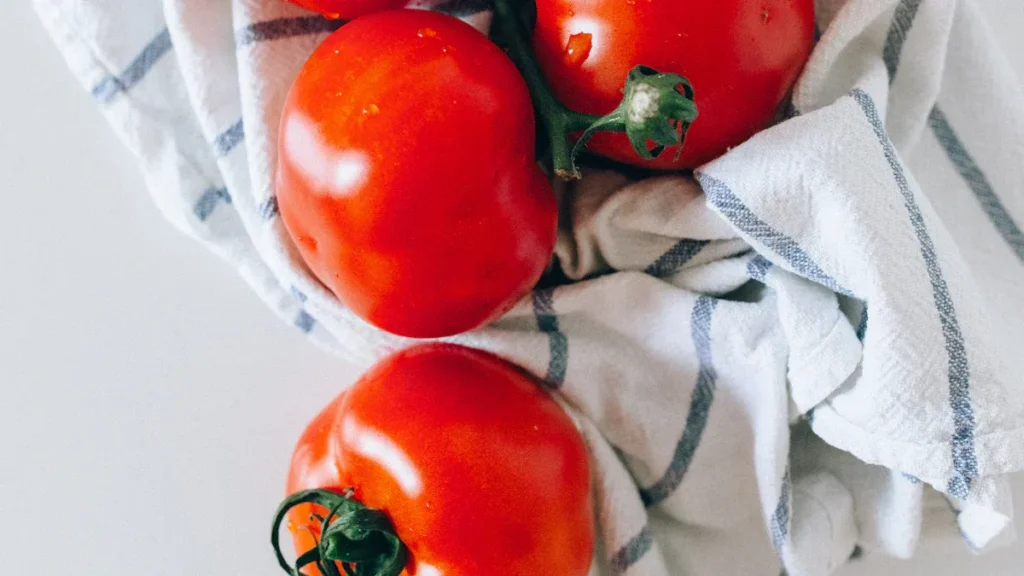
Fumaric Acid in Common Foods — Concentration Table
Note: Values below are compiled from published academic studies and represent approximate ranges — not fixed values. Most national food databases do not include fumaric acid as a routinely reported parameter. “Trace” indicates detection below 5 mg/100g fresh weight or presence confirmed but not quantified.
| Food Category | Food Item | Approximate FA Range (mg/100g FW) | Relative Level | Notes |
|---|---|---|---|---|
| Fruits | Apples | 5–50 | Moderate | Varies by cultivar; Granny Smith > Red Delicious in limited studies |
| Grapes | 10–40 | Moderate | Concentration rises during veraison, peaks pre-harvest | |
| Cherries | 5–25 | Low–Moderate | Sour cherries generally higher than sweet varieties | |
| Blueberries | 2–15 | Low | Organic acid profile dominated by citric acid; FA is a minor component | |
| Strawberries | 3–20 | Low | Citric acid dominates (>80% of total acids); FA contributes subtle tartness | |
| Vegetables | Rhubarb (stem) | 100–500+ | Highest | The richest common dietary source; FA + malic acid give rhubarb its sharp tang |
| Kohlrabi | 5–30 | Low–Moderate | One of the few vegetables with documented FA presence above trace level | |
| Carrots | Trace–10 | Trace–Low | Detectable but not a meaningful dietary source | |
| Green beans | Trace–8 | Trace | Present at low levels; cooking water may contain leached acids | |
| Mushrooms | Button (Agaricus bisporus) | 20–80 | Moderate–High | FA often the dominant organic acid in Agaricus species |
| Shiitake (Lentinula edodes) | 15–60 | Moderate | FA levels increase during early fruiting body development | |
| Oyster (Pleurotus ostreatus) | 10–50 | Low–Moderate | Substrate composition affects organic acid profile | |
| Porcini (Boletus edulis) | 30–120 | High | Wild-harvested; concentrations vary with soil and season | |
| Fermented | Kombucha | Varies widely | Variable | Produced as microbial metabolite during SCOBY fermentation; dependent on brew time |
| Sourdough bread | Trace–15 | Trace–Low | Lactobacillus fermentation produces a mixed organic acid profile | |
| Kimchi / Sauerkraut | Trace–10 | Trace | Lactic acid dominates; FA is a minor fermentation byproduct |
Key Observations from the Data:
- Rhubarb is the outlier — it contains 10-100× more fumaric acid than most other common foods. If someone asks “what food has the most fumaric acid,” the answer is rhubarb.
- Mushrooms as a category outperform fruits and vegetables — fumaric acid is often their dominant organic acid, whereas in fruits/vegetables it’s typically secondary to citric, malic, or tartaric acid.
- Most commonly eaten produce is “trace to low” — the search intent behind “what foods naturally contain fumaric acid” often implies “which foods are rich in it.” The honest answer is: very few common foods. Rhubarb and certain mushrooms are the only meaningful dietary sources.
Fumaric acid in foods and health considerations
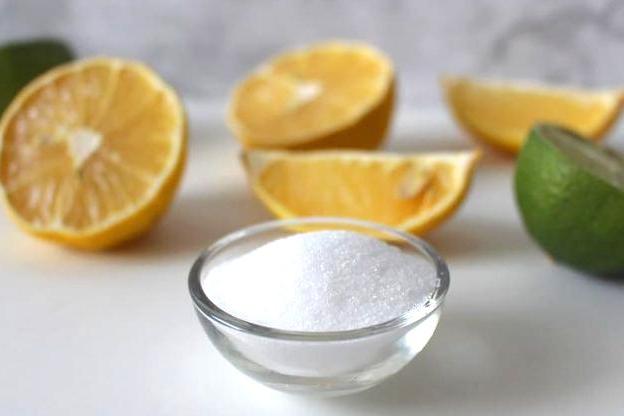
Foods with natural fumaric acid vs. added fumaric acid
Fumaric acid is found in foods in two ways. Some foods, like apples and spinach, have natural fumaric acid. Factories add fumaric acid to processed foods to make them taste better and last longer. Natural fumaric acid comes from plants and mushrooms. Added fumaric acid is made by companies like NORBIDAR for food production. Both types are safe to eat. Added fumaric acid helps food makers control taste and acidity.
Processed foods containing fumaric acid
Many processed foods use fumaric acid as an ingredient. It helps baked goods rise and keeps drinks fresh. The table below shows common foods and how much fumaric acid they usually have:
| Processed Food Category | Typical Usage Level (ppm) |
|---|---|
| Baked Goods | 1300 |
| Beverages (nonalcoholic) | 50 |
| Gelatins / Puddings | 3600 |
| Jams / Jellies | N/A |
| Meat Products | N/A |
Factories and suppliers use fumaric acid in tortillas, candies, chocolate milk, eggnog, and soft drinks. NORBIDAR gives special solutions for these industries.
Safety and health implications
Health groups like the FDA and EFSA say fumaric acid is safe in food. The table below shows what they found:
| Regulatory Body | Status | Notes |
|---|---|---|
| FDA | GRAS | No limit for eating; found naturally in the body. |
| JECFA | ADI | ‘Not specified’; no proof of harm at high levels. |
| EU | Approved | As a food additive (E297) and medicine ingredient. |
Most people do not have problems with fumaric acid. Sometimes, eating too much can cause mouth irritation. Allergic reactions are very rare. Fumaric acid helps cells make energy, supports gut health, and helps the body take in nutrients. Animal studies show it can help with growth and food use. NORBIDAR checks their products for quality and safety.
Fumaric acid is found in lots of fruits, vegetables, and mushrooms. Scientists say it is safe to eat often. The FDA and EFSA let people use it in food. Most processed foods have extra fumaric acid added. Eating foods with natural fumaric acid helps you stay healthy.
| Evidence Type | Description |
|---|---|
| Regulatory Approval | FDA and EFSA say fumaric acid is safe for food. |
| Antimicrobial Effectiveness | Fumaric acid stops bad bacteria and mold from growing. |
| Safety Studies | Studies show animals are not harmed by it. |
FAQ
What foods naturally contain fumaric acid?
Some fruits have fumaric acid. Apples, papayas, pears, and plums are examples. Spinach has it too. Bolete mushrooms, Iceland moss, lichen, and fumitory also contain this compound.
Is fumaric acid safe to eat in natural foods?
Health experts say fumaric acid in foods is safe. People eat apples, spinach, and mushrooms often. They do not have problems from eating these foods.
How does fumaric acid help processed foods?
Factories put fumaric acid in baked goods, drinks, and candies. It makes food taste better. It keeps food fresh. It also helps control how sour or acidic food is.