
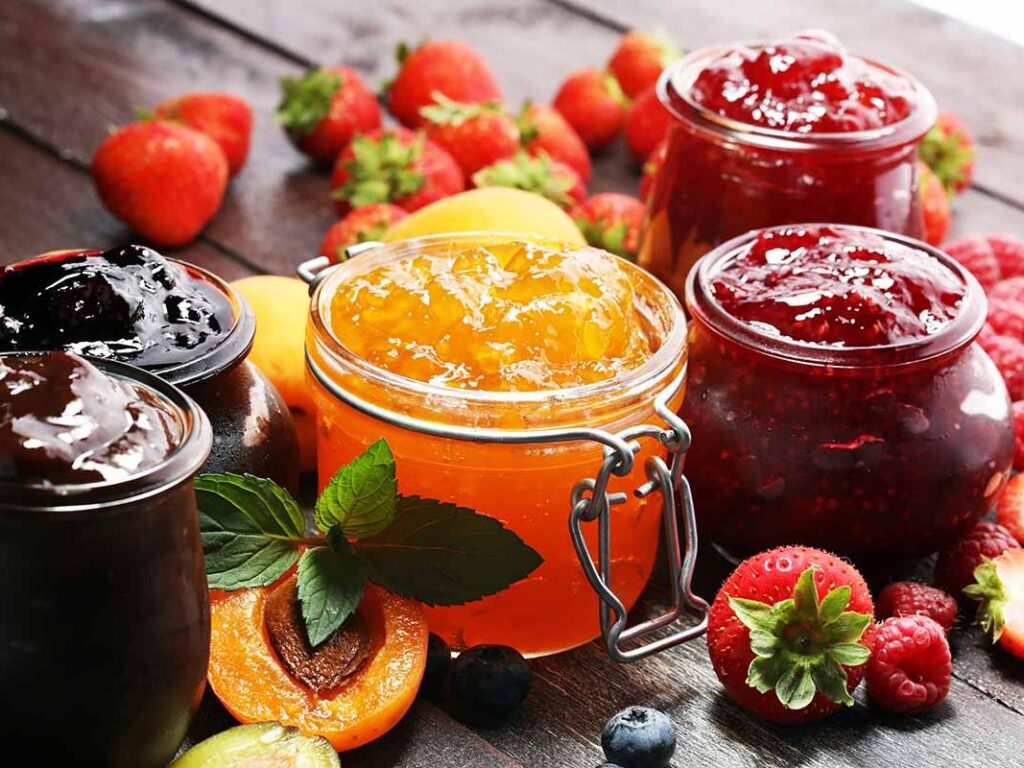
Fumaric acid plays an important role in many foods. It is found in fruits such as apples and mushrooms, and vegetables such as spinach. Many processed foods, including baked goods, candies, and beverages, contain fumaric acid. Companies add this compound to enhance the flavor of food, help maintain freshness, and control its acidity. Fumaric acid plays a crucial role in giving food a refreshing sweet and sour taste.
Key Takeaways
- Fumaric acid makes food taste more refreshing and sweet and sour. Some fruits, such as dogwood, contain fumaric acid. Vegetables such as radishes also contain fumaric acid.
- Many processed foods have added fumaric acid. It is often used in baked goods and candies. It helps improve the taste of food and extend its shelf life.
- Fumaric acid can control the acidity of food. This makes the food taste better and safer to eat. It can also inhibit the growth of mold and bacteria.
- There are certain limitations to the use of fumaric acid in food. Fumaric acid is safe as long as it is consumed in moderation. Be sure to check food labels to see if they contain fumaric acid.
- Fumaric acid helps maintain gut health. It helps the body absorb nutrients and fight harmful bacteria. For your health, please consume it with caution.
Foods with Natural Fumaric Acid
Fruits
Many fruits contain organic acids that affect their taste and nutritional value. Some fruits contain fumaric acid, but its effect on taste varies. Dogwood is rich in fumaric acid, making it taste sour. Wild strawberries also contain organic acids, but fumaric acid does not significantly affect their taste. Blueberries also contain organic acids, but the effect of fumaric acid on their flavor is not significant. The table below shows the content of organic acids and fumaric acid in different fruits:
| Fruit Species | Total Organic Acid Content (g kg−1) | Fumaric Acid Influence | Other Organic Acids Influence |
|---|---|---|---|
| Cornus officinalis | 36.30 (Drvar) to 48.4 (Višegrad) | Significant | Significant |
| Wild Strawberry | 4.53 (Romanija) to 9.22 (Bjelašnica) | No significant influence | Shikimic acid content significant |
| Rosehip | 5.87 (Foča) to 12.74 (Fojnica) | N/A | N/A |
| Bilberry | 9.78 (2014) to 15.16 (2015) | N/A | Significant |
Note: The content of fumaric acid in fruits varies depending on the origin and climatic conditions. Factors such as temperature and rainfall during growth affect the organic acid content in fruits such as blueberries.
Fruits are crucial in food and beverage production because their acids impart unique flavors. Fumaric acid is one such acid that gives certain fruits a sour taste and is therefore frequently used in food preparation.
Vegetables
Vegetables also contain fumaric acid, but the content varies depending on the type of vegetable and cultivation methods. Radishes are rich in fumaric acid, especially in their leaves, stems, and sprouts. Other vegetables have lower fumaric acid content, but radishes are a major source of fumaric acid.
- Fumaric acid is present in the leaves, stems, and sprouts of radishes.
- The content of fumaric acid in vegetables varies with the season and location of cultivation. Temperature and rainfall affect its content.
Vegetables rich in natural fumaric acid are often used in food and beverage production. Their acidity helps balance the flavors of food, making it more palatable.
Other Sources
Fumaric acid is not only found in fruits and vegetables but also in grains and fungi. Rice bran mixed with glucose or fructose can produce large amounts of fumaric acid. Xylose and xanthine oxidase (XOR) can also be used to produce fumaric acid. The table below shows the fumaric acid content in these sources:
| Carbon Source | Fumaric Acid Concentration (g/L) |
|---|---|
| Rice Bran + Glucose/Fructose | Maximum Concentration |
| Xylose (Initial Concentration 10%) | 16.4 g/L |
| Xanthic Acid (XOR, Substrate Addition 5%) | 12.54 g/L |
These sources indicate that fumaric acid can be extracted from a variety of substances for use in food and beverages. Grains and fungi are also sources of this acid.
Note: Natural fumaric acid helps to give food a tart taste and maintain freshness. Food manufacturers utilize these sources to improve the taste of food and extend its shelf life.
Fumaric Acid in Processed Foods
Baked Goods
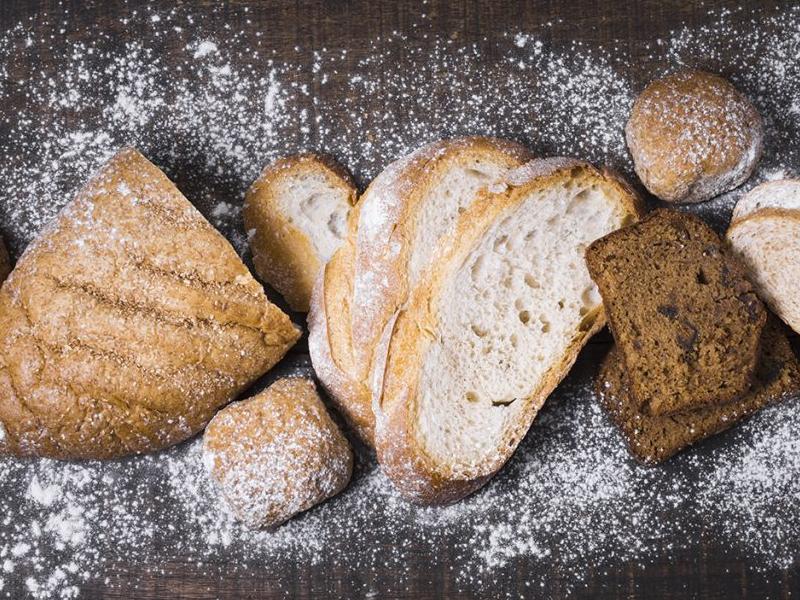
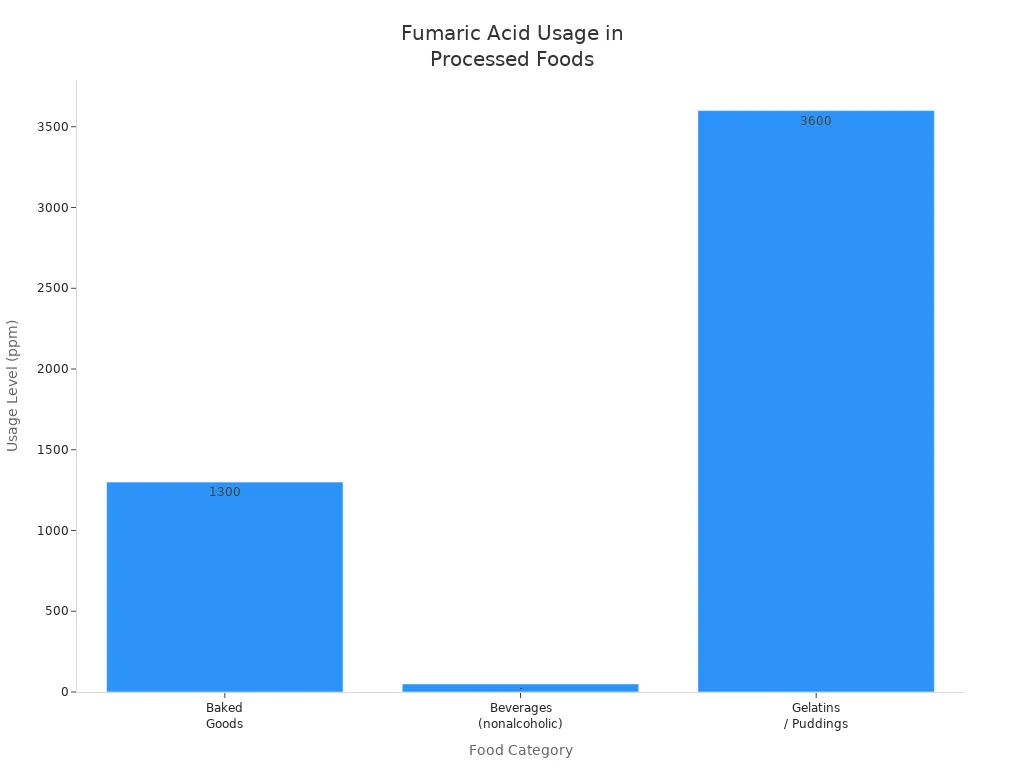
Fumaric acid is commonly added to baked goods. Bakers use it to enhance the gluten and stability of dough. This acid helps bread maintain its shape and keeps the interior soft and delicious. Fumaric acid also inhibits mold growth, thus extending the shelf life of food. More and more countries are now using fumaric acid in baked goods. The table below lists the typical usage of fumaric acid in different food products:
| Processed Food Category | Typical Usage Level (ppm) |
|---|---|
| Baked Goods | 1300 |
| Beverages (nonalcoholic) | 50 |
| Gelatins / Puddings | 3600 |
| Jams / Jellies | N/A |
| Meat Products | N/A |
Fumaric acid makes dough easier to mix and shape. It has low hygroscopicity, so dry powder mixtures can be stored for longer periods.
Beverages
Fumaric acid is found in beverages such as fruit juices, soft drinks, and instant drinks. It gives beverages a strong acidic taste and helps maintain their stability. This acid also helps beverages retain their vibrant color. It also helps extend the shelf life of beverages. NORBIDAR supplies fumaric acid for fruit juices, soft drinks, and wines.
| Beverage Type | Average Concentration |
|---|---|
| Powdered Beverage Mixtures | Free |
| Fruit Juices | Free |
| Wines | Below 31 mg/L |
| Soft Drinks | Free |
Fumaric acid can enhance flavor and help inhibit bacterial growth in beverages.
Candy & Mixes
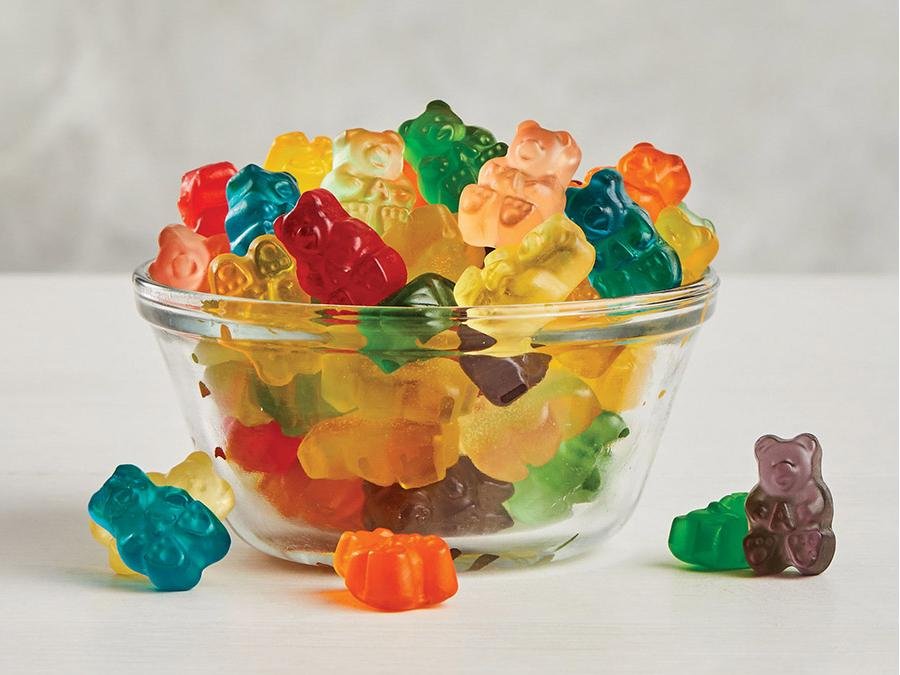
Confectionery manufacturers use fumaric acid to give candies a sour taste. It gives gummies and sour candies a unique sweet and sour flavor. This acid also helps jams, jellies, and dry powder mixes stay fresh. NORBIDAR supplies fumaric acid for these food products to ensure their safety and quality. As a flavoring agent, it helps extend shelf life and improve taste.
Tip: Fumaric acid is a strong acid. Fumaric acid works well in many foods and beverages because it enhances flavor and ensures food safety.
Role of Fumaric Acid in Foods
Flavor Enhancement
Fumaric acid helps enhance the taste of food and extend its shelf life. It gives food, especially raisins and sour candies, a refreshing and tangy taste. Many companies use fumaric acid because it is stronger than citric acid or malic acid. This acid is used in candies, chewing gum, and snacks to give them a rich flavor. Its sour taste lingers in the mouth for a long time. Fumaric acid does not absorb water, so food can remain dry and fresh. Fumaric acid is a commonly used food additive because it improves the texture and quality of food.
- Fumaric acid gives food a rich sour taste.
- It is more acidic than citric acid and malic acid.
- It does not absorb water, thus keeping food dry and stable.
pH Regulation & Preservation
Fumaric acid helps control the acidity of food. It maintains stable acidity levels, making food palatable and safe. Food manufacturers use it to balance pH levels. This is crucial for the taste and safety of food. Fumaric acid inhibits the growth of mold and bacteria in food. This helps food stay fresh for longer.
- Fumaric acid controls the acidity and pH of food.
- It inhibits the growth of mold and bacteria.
- It helps preserve food for longer and keeps it safe.
Antimicrobial Function
Fumaric acid helps inhibit bacteria in food. It makes the food too acidic for many bacteria and molds to survive. This acid can kill bacterial spores and prevent their growth. This ensures that food is safe to eat. Studies have shown that fumaric acid can reduce the number of harmful bacteria such as E. coli and Staphylococcus aureus in lettuce and cabbage. Its antibacterial effect is about 1.5 times stronger than citric acid, so not much is needed. Fumaric acid is essential for keeping food safe and fresh.
Tip: Fumaric acid helps improve the taste of food, extends shelf life, and ensures food safety. It is a key ingredient in guaranteeing food quality and shelf life.
Health Considerations of Fumaric Acid
Safety & Regulations
Several organizations in the United States, Europe, and Asia have stated that fumaric acid is safe in food. The U.S. Food and Drug Administration (FDA) and the European Food Safety Authority (EFSA) both consider fumaric acid safe when used in appropriate amounts. These organizations allow companies to use fumaric acid in a variety of foods to inhibit bacterial growth and regulate acidity.
| Food Category | Maximum Level (mg/kg) |
|---|---|
| Fruit-flavoured desserts | 4000 |
| Sugar confectionery | 1000 |
| Chewing gum | 2000 |
| Decorations, coatings and fillings | 1000 |
| Fillings and toppings for fine bakery ware | 2500 |
| Instant products for preparation of flavored teas | 1000 |
| Gel-like desserts, dry powdered dessert mixes | 1000 |
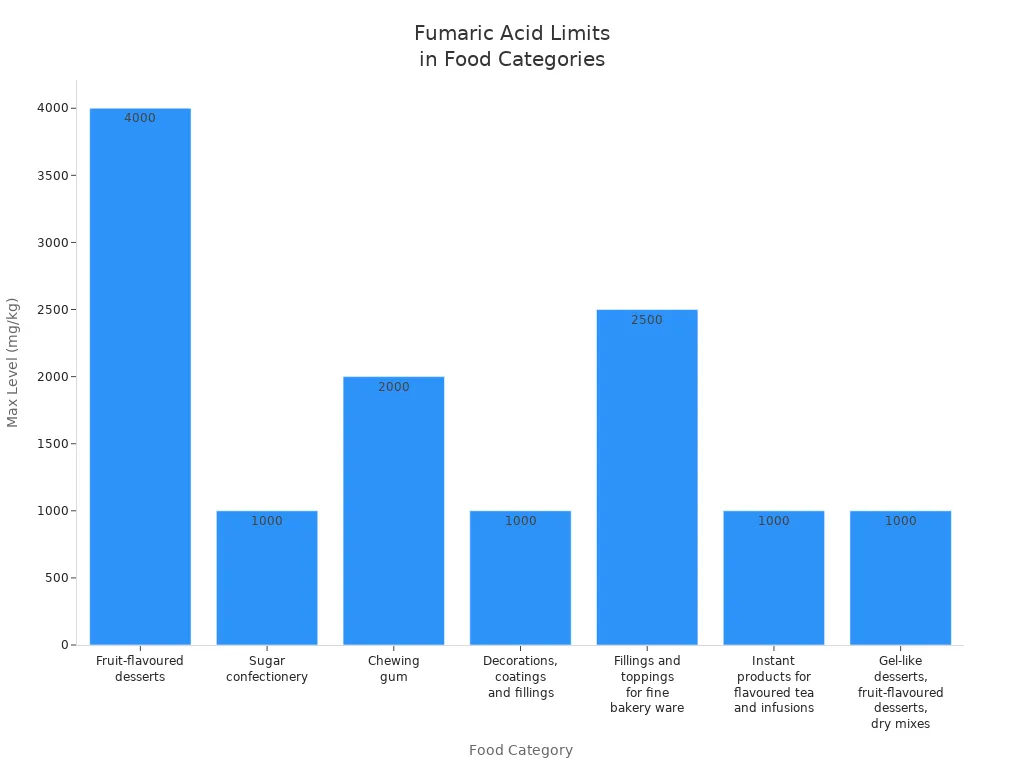
There are regulations regarding the intake of fumaric acid. The FDA and EFSA stipulate a daily intake of 10 mg per kilogram of body weight. The Joint FAO/WHO Expert Committee on Food Additives (JECFA) recommends a safe intake of 0-6 mg per kilogram of body weight. The European Union stipulates a daily intake of 780 micrograms per person. These regulations help ensure public health and safety.
Benefits & Risks
Fumaric acid benefits the body in several ways. It helps cells produce energy and inhibits bacteria in food. Studies show that it can help improve gut health, reduce harmful bacteria, and help the body absorb more nutrients. In animal studies, fumaric acid helped animals grow better and utilize food more efficiently.
Fumaric acid provides energy to the intestinal lining, helping intestinal cells heal faster and helping the intestines absorb more nutrients.
Doctors use fumaric acid to treat psoriasis. It can help control symptoms and keep the skin healthy. Many psoriasis patients have seen improvement after using fumaric acid.
However, excessive intake can be harmful. High doses can lead to tumors, brain problems, or kidney damage.
| Health Risk | Description |
|---|---|
| Tumor Growth | Too much fumaric acid can help tumors grow and make some cancers worse. |
| Neurological Symptoms | Problems can include slow development, seizures, and brain shrinking. |
| Kidney Damage | It can cause sudden kidney problems and Fanconi syndrome. |
People should not eat more than the safe amount. Fumaric acid has good uses, but it is important to use it safely in food.
Many fruits, vegetables, and processed foods contain fumaric acid. This compound can improve the taste of food and keep it fresh. It also helps ensure food safety. The table below shows the roles of fumaric acid in food:
| Role | Benefit |
|---|---|
| Flavor Enhancer | Enhances sourness and masks aftertaste |
| Preservative | Inhibits bacterial growth and extends shelf life |
| pH Control | Maintains stable acidity, ensuring safety and taste |
Consumers should check food labels before purchasing food. Choosing products from trusted companies like NORBIDAR is a wise decision.
FAQ
What are the uses of fumaric acid in food and beverage products?
Fumaric acid helps improve taste and extend shelf life. It can impart a sour taste to food and keep it fresh. Many food and beverage companies use it to regulate acidity and inhibit bacterial growth.
Is fumaric acid safe to consume?
Experts say that fumaric acid is safe when used within approved limits. Food safety agencies set limits to protect consumer health. Most food and beverage products follow these regulations to ensure consumer safety.
Which foods are rich in fumaric acid?
Cornelian cherries, radishes, and some baked goods contain higher levels of fumaric acid. Processed foods such as candies and beverage mixes also have fumaric acid added to improve flavor and extend shelf life.
Can fumaric acid cause allergies?
Most people are not allergic to fumaric acid. In very rare cases, mild allergic reactions may occur. If someone experiences discomfort after consuming food containing fumaric acid, they should consult a doctor.
Does fumaric acid change the taste of beverages?
Fumaric acid can make beverages taste more tart and keep their colors bright. Many fruit juices and sodas use fumaric acid to enhance flavor.