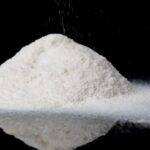
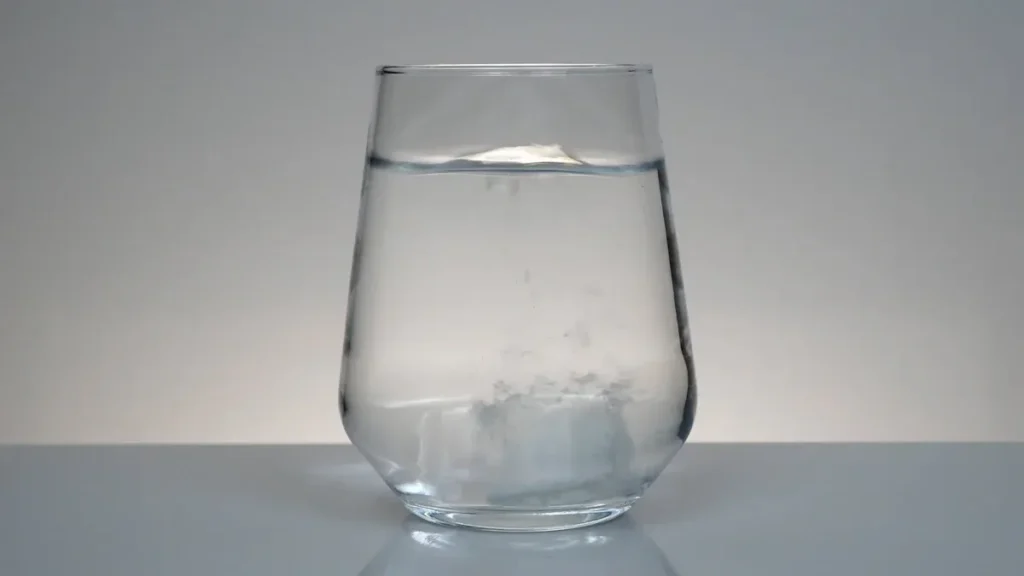
Fumaric acid is known for being odorless—there is no noticeable fumaric acid smell in either its solid or dissolved forms. Most people cannot detect any scent from fumaric acid, despite its common use in food products. The misconception that fumaric acid has a smell likely comes from its association with flavorful foods, but this is incorrect. The defining characteristic of fumaric acid is its tart, citrus-like taste, not any fumaric acid smell.
Key Takeaways
- Odorless substance: Fumaric acid has no detectable smell in either solid or dissolved form.
- Sour taste characteristic: Its most noticeable feature is a tart, citrus-like taste rather than an odor.
- Common food ingredient: Fumaric acid is widely used in foods such as candies and beverages.
- Flavor enhancer: It helps strengthen or balance flavors but does not affect the product’s smell.
- Handle powder carefully: The powder form may cause irritation if inhaled or in contact with skin.
- Generally recognized as safe: Experts consider fumaric acid safe for consumption when used in approved amounts in food and other products.
Fumaric Acid Smell
Is Fumaric Acid Odorless or Does It Have a Slight Smell?
Fumaric acid does not have a smell that people can notice. Chemical safety sheets say fumaric acid is odorless. Many people think it should have a smell because it is in foods with strong flavors. But the main thing you notice is the taste, not the smell. There is no fumaric acid smell in solid or dissolved forms. Scientists say fumaric acid is a white or colorless powder.
- It looks like a white or colorless solid.
- Fumaric acid does not dissolve well in water.
What Does Fumaric Acid Smell Like in Solid Form?
Solid fumaric acid does not give off any smell. Lab tests show fumaric acid does not make gases that would cause a smell. It is a white, crystal-like powder found in nature. People see what it looks like but do not smell anything.
| Compound | Retention Time (min) |
|---|---|
| Methyl alcohol | 1.389 |
| Furan | 1.904 |
| Maleic anhydride | 5.401 |
| Phthalic acid | 12.851 |
| Fumaric acid | 13.039 |
| Hydrogen sulfide | 1.412 |
| 2-propenoic acid | 2.543 |
| Succinic anhydride | 5.509 |
| Fumaric acid | 9.818 |
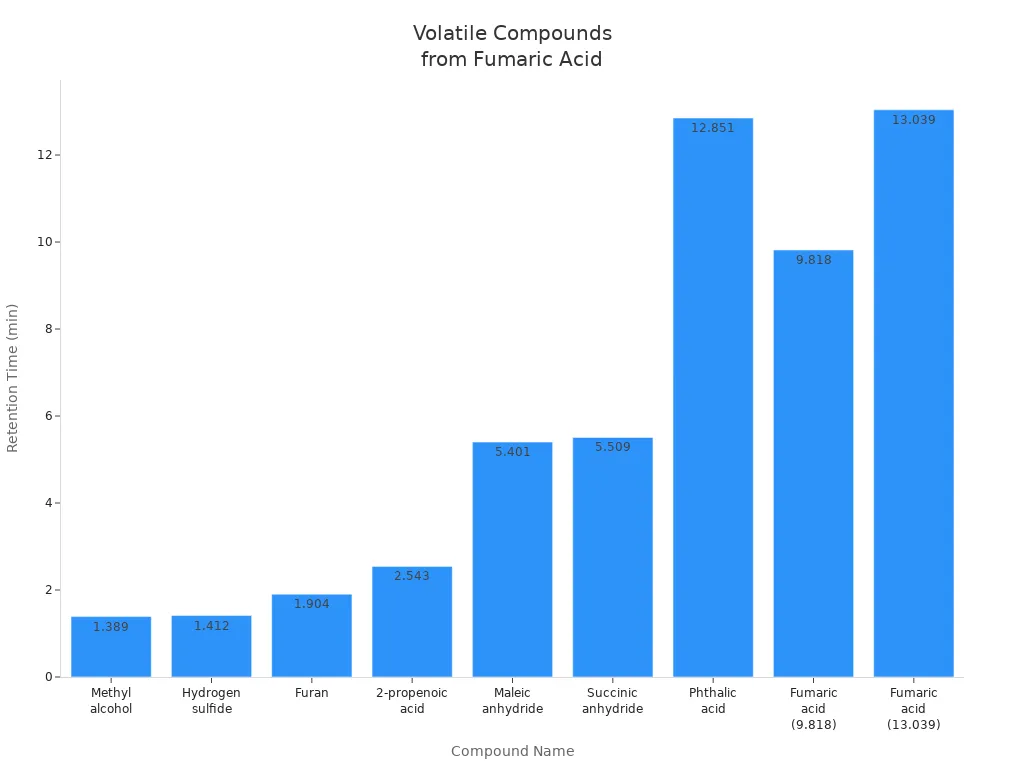
The chart above shows fumaric acid does not make gases that would cause a smell. The times in the chart show the compound stays the same and does not give off any odor.
Does Dissolved Fumaric Acid Have a Different Odor?
Dissolved fumaric acid does not get a new smell. It does not mix well with water, so it does not make a scent when put in liquids. There is still no fumaric acid smell after it is dissolved. Some products use fumaric acid to stop bad smells. It reacts with things that cause odors and makes salts that do not turn into gas. This stops the release of amines, which often smell bad.
- Fumaric acid is in air fresheners and deodorizers.
- It stops odors by making salts that do not turn into gas.
- The smell of fumaric acid does not change when it is dissolved.
Why Does Fumaric Acid Have Very Little Smell?
Chemical Structure of Fumaric Acid
Fumaric acid has a simple structure. It is part of the organic acids group. The molecule has four carbon atoms, four hydrogen atoms, and four oxygen atoms. This makes a solid that looks like crystals. The bonds in fumaric acid are strong and hold the atoms together. Because of this, the molecules do not break apart easily. Most people see fumaric acid as a white powder. They do not notice any smell when using it as a food additive.
Why Low Volatility Reduces Its Odor
Fumaric acid does not turn into gas at room temperature. Scientists call this low volatility. When something has low volatility, it does not send many molecules into the air. This means people cannot smell it. The vapor pressure of fumaric acid is very low compared to other acids.
The low vapor pressure explains why fumaric acid food additive does not have a smell. People use fumaric acid food additive in many foods and drinks. They taste its strong sour flavor, but they do not smell anything.
How Organic Acids Produce Smells
Many organic acids have a smell because they turn into gas easily. Their molecules move into the air and reach your nose. Fumaric acid food additive does not do this. Its molecules stay in the solid or dissolved form. This makes it good for foods where taste is more important than smell. People use fumaric acid food additive in soft drinks, baked goods, and candies. They notice the tart taste, not a smell. The lack of smell helps keep the original aroma of foods and drinks.
Fumaric acid food additive gives a strong sour taste but does not change the smell of food.
Where Is Fumaric Acid Commonly Used?

Fumaric Acid in Food and Beverages
Fumaric acid food additive is found in many foods and drinks. It looks like a white, crystal powder. It does not have a smell.
Here is a table that shows where fumaric acid food additive is used in foods and drinks:
| Product Category | Common Uses |
|---|---|
| Beverages | Used in sodas, fruit juices, sports drinks, and drink mixes. |
| Baking Products | Helps bread, cakes, and baked goods rise and stay soft. |
| Meat and Dairy | Used in meats, cheeses, and dairy to keep them fresh and improve texture. |
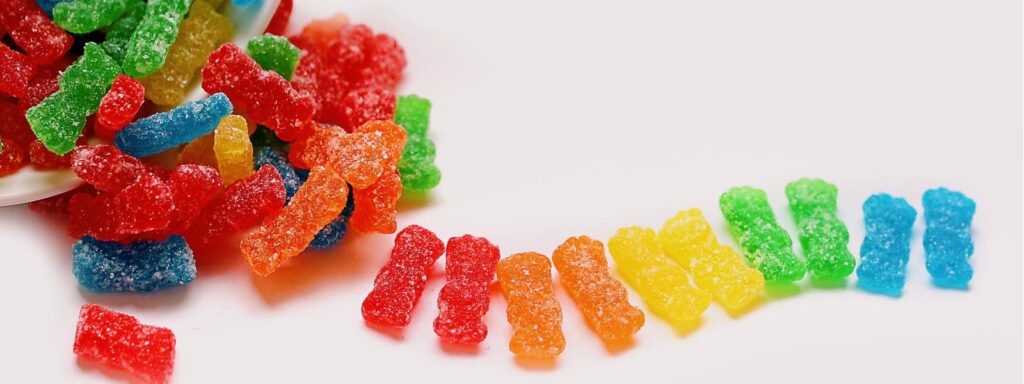
| Confectionery Products | Makes sour candies, gummies, and gum taste tart for a long time. |
Fumaric acid food additive is the strongest organic food acid. It tastes more sour than citric or malic acid. People use it in dry mixes because it does not soak up water. This keeps powders from sticking together in storage.
Use of Fumaric Acid in Baking and Processed Foods
Bakers and food makers use fumaric acid food additive to make foods last longer and feel better. It helps dough rise and keeps baked goods soft. In meats, it keeps food fresh and safe by controlling pH.
| Application | Concentration | Purpose |
|---|---|---|
| Baked Goods | 0.1% – 0.5% | Helps dough rise and stay soft |
| Processed Meats | 0.1% – 0.3% | Keeps food fresh and safe |
Industrial and Pharmaceutical Applications
Fumaric acid food additive is used outside of food too. Factories use it to make plastics and resins stronger. Medicine companies use fumaric acid food additive in pills and supplements. Its lack of smell is important because it does not change the taste or smell of products.
Note: Always follow safety rules when using fumaric acid food additive. Just because it does not smell does not mean it is safe to touch or breathe in large amounts.
Is the Smell of Fumaric Acid Harmful?
Is Fumaric Acid Safe to Smell?
Fumaric acid does not have a smell that people notice. Most people cannot smell it at all. Experts say that no smell means it will not bother your nose or throat if used right. Still, it is smart to not breathe in any powder, even if it does not smell strong. This helps stop any problems or irritation.
Safety Guidelines When Handling Fumaric Acid
People should follow safety rules when using fumaric acid. It is safe in food, but the pure powder can be risky if not used right. Safety steps help keep people safe from accidents. The table below shows what you should do:
| Precaution | Description |
|---|---|
| Ventilation | Use proper ventilation to reduce dust in the air. |
| Respiratory Equipment | Wear a mask if there is not enough airflow. |
| Personal Hygiene | Wash hands after use and do not eat or drink while handling. |
| Contact Avoidance | Avoid touching eyes, skin, or clothing with the powder. |
| Dust Minimization | Try not to create dust and avoid breathing it in. |
| Container Safety | Keep containers closed and store safely. |
| Protective Equipment | Use gloves, goggles, and protective clothing if needed. |
Food safety experts say to use these steps in labs and factories. If fumaric acid gets in your eyes, rinse with water for 15 minutes and get help. Always keep it in a cool, dry place away from heat.
Regulatory Approval in Food and Industry
Rules for food safety are made by big groups. The FDA and EFSA both say fumaric acid is safe in food. They call it Generally Recognized as Safe (GRAS). Both natural and man-made types are safe for people. The FEEDAP Panel also says it is safe for animals and humans. Food safety rules set limits for how much can be used:
| Regulatory Body | Maximum Limit |
|---|---|
| FDA | 0.1% (by weight) |
| Joint FAO/WHO | 0-6 mg/kg body weight |
| EU | 780 micrograms per person/day |
These rules help keep everyone safe and make sure food is good. Fumaric acid follows strict food safety laws in many places. People can trust that foods with this ingredient are safe to eat.
Fumaric Acid vs Other Organic Acids
Fumaric Acid vs Maleic Acid Smell
Fumaric acid and maleic acid look almost the same in structure. But they do not smell the same. Fumaric acid does not have any smell in solid or liquid form. Maleic acid can have a weak, sharp smell, especially when it is strong. Scientists use maleic acid in factories, and its smell is easier to notice there. Fumaric acid does not let off any vapor, so people do not smell it when they use it. This is why fumaric acid works better in foods and products that need no smell.
Fumaric Acid vs Citric Acid
Both citric acid and fumaric acid make foods taste sour. But they do not feel the same in your mouth. Citric acid is in many fruits and tastes very sour and sharp. It makes your mouth pucker a lot. Fumaric acid tastes less sour and does not make your mouth pucker as much. The table below shows how sour and puckering each acid is:
| Acid Type | Sourness Intensity | Puckering Effect |
|---|---|---|
| Citric Acid | Highest | Most pronounced |
| Fumaric Acid | Moderate | Less pronounced |
| Lactic Acid | Lowest | Least pronounced |
People say citric acid tastes sharp and quick. Fumaric acid gives a sour taste that lasts longer but is not as strong. Fumaric acid does not mix well with water, so food makers use less of it. Unlike citric acid, fumaric acid does not have a smell. This helps keep the food’s original smell.
- Citric acid is found in fruits and drinks.
- Fumaric acid is in some vegetables and gives a softer taste.
Fumaric Acid vs Acetic Acid
Acetic acid is what makes vinegar smell strong and sharp. Most people know this smell right away. Fumaric acid does not have any smell at all. When you open vinegar, you smell acetic acid fast. Fumaric acid does not make any scent, even as a powder. This is why fumaric acid is good for foods and products that need no extra smell. Acetic acid can change how foods smell, but fumaric acid keeps the food’s original aroma.
Fumaric acid does not give off any smell. Its main feature is a sour, tart taste. People add it to foods and drinks for flavor and to keep them stable. Some people mix up taste and smell, but fumaric acid only changes taste.
- No smell in any form
- Used often in food and factories
- Safe if handled the right way
Remember: Fumaric acid makes things taste sour, not smell different. If you look for its scent, you will not find one.
FAQ
What does fumaric acid look like?
Fumaric acid is a white powder with crystals. People find it in foods and products from factories. It stays the same color when mixed with other things.
Can people smell fumaric acid in food?
People cannot smell fumaric acid in their food. It does not make any scent. The main thing you notice is its sour taste.
Is fumaric acid safe to touch?
Fumaric acid is safe to touch if you use a little. People should wash their hands after touching the powder. Wearing gloves helps stop skin from getting irritated.
Why do manufacturers use fumaric acid in drinks?
Manufacturers use fumaric acid to make drinks taste tart and last longer. It keeps drinks fresh and stable. The acid does not change how the drink smells.