

Fumaric acid is converted to L-malic acid by fumarate catalysis with water, a process that aids in cellular energy production. Fumarrate enables cells to convert fumarate to L-malic acid, which plays a crucial role in the citric acid cycle. NORBIDAR’s fumarate is a trusted raw material for the food, pharmaceutical, and many other industries.
Key Takeaways
- Fumarate helps convert fumarate to L-malic acid. This is essential for cellular energy production.
- L-malic acid is essential for the tricarboxylic acid cycle (TCA cycle). It helps cells generate ATP, thus providing energy.
- Fumarate is safe for consumption. It improves the taste of food and keeps it fresh. It is also used in animal feed.
- Mutations in fumarate can lead to health problems. This illustrates its critical role in cells and disease prevention.
- Understanding the role of fumarate in metabolism helps in the more efficient use of energy. This applies to both organisms and factories.
The Role of Fumarate in Metabolism
Structure and properties
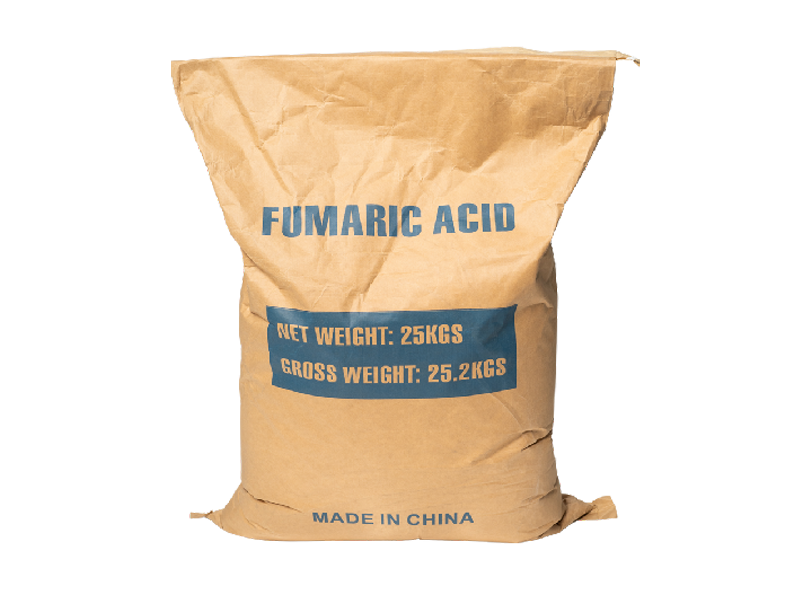
Fumaric acid has a unique chemical structure. It is a dicarboxylic acid with the molecular formula C₄H₄O₄. The two carboxyl groups are positioned opposite each other, which makes fumaric acid structurally stable. Its melting point is approximately 287°C, making it difficult to melt. Fumaric acid is sparingly soluble in water but readily soluble in liquids such as ethanol. Its pKa value is approximately 3.03 to 4.5. These properties make fumaric acid suitable as an acidifier in food and beverages. Fumaric acid has low toxicity and is therefore safe for consumption by animals and humans. In the stomach, fumaric acid lowers the pH, aiding in the breakdown of proteins. It can also bind to minerals, helping animals absorb them. Fumaric acid has antibacterial and antifungal properties, thus protecting cells from pathogens.
Fumaric acid is found in foods and animal feeds. In food processing plants, fumaric acid gives fruit juices and soft drinks their sour taste. It enhances the gluten development of dough in baked goods. It also improves the texture of candies. Fumaric acid helps maintain the freshness of sauces, jams, and dairy products. Fumaric acid is also used in animal feed to aid digestion and maintain animal health.
Role in the Tricarboxylic Acid Cycle
Fumaric acid plays a crucial role in metabolism. It is a component of the tricarboxylic acid cycle (TCA cycle). Cells require this cycle to produce energy. Succinate is oxidized to produce fumaric acid. Fumarase converts fumaric acid to L-malate by adding water. This step is essential for cellular metabolism. As L-malate is converted to oxaloacetate, the TCA cycle continues. This allows the cycle to function continuously. Cells use the TCA cycle to produce ATP as an energy source. The TCA cycle helps cells utilize nutrients and cope with stress. In animal nutrition, fumaric acid contributes to gut health and improves energy utilization efficiency. The TCA cycle, including fumaric acid and L-malate, is a key component of all living cells.
Fumarate Enzyme Catalyzes Fumaric Acid
Enzymatic Reaction Mechanism
Fumarate enzyme helps cells convert fumaric acid to L-malate. This enzyme is found in mitochondria. Mitochondria are the site of energy production in cells. Fumarase accelerates the reaction in a unique way. The reaction begins with the binding of fumarate and fumarate. The binding of the enzyme to fumarate makes it easier for water molecules to be added. Scientists have discovered that fumarate uses acid-base catalysis. This reaction does not produce a carbocation; instead, the fumarate forms a carbanion intermediate. This step makes the reaction rapid and safe.
The reaction steps are as follows:
| Step | Description |
|---|---|
| 1 | Fumarate sticks to the free enzyme. |
| 2 | A proton is added to fumarate. |
| 3 | Malate leaves the active site. |
| 4 | In reverse, malate sticks to the enzyme. |
| 5 | A proton is made before fumarate leaves. |
Fumarase has extremely high activity. The Km value of fumarate is approximately 5 μM, and that of L-malate is approximately 25 μM. The maximum reaction rate (Vmax) of fumarate in mammals is 800 s⁻¹. These data indicate that fumarate reacts rapidly. With the help of the enzyme’s active site, fumarate is converted to L-malate. The active site gives the enzyme the correct shape and charge. Fumarase also protects cells from harmful byproducts.
Fumarate is present in a variety of organisms. Bacteria, yeast, and humans all utilize fumarate. This enzyme helps with cell growth and DNA repair. In humans, fumarate helps protect DNA from damage. Mutations in fumarate can lead to health problems. Some mutations cause fumarate hydratase deficiency. This disease affects energy levels and causes sluggish responses. Other mutations increase the risk of cancer. Fumarase has anti-cancer effects. The shape and function of this enzyme are crucial for health.
Water Addition and Product Formation
Fumarate changes upon the addition of water. Fumarase catalyzes this step. This enzyme adds water to fumarate to produce L-malate. The reaction is stereoselective, producing only L-malate and not other types of malate. Water comes from the enzyme’s active site. Fumarase captures water molecules and directs them to the correct location, ultimately producing L-malate. Cells use L-malate as an energy source.
This reaction is bidirectional. Fumarase can convert fumarate to L-malate and vice versa. This reversible reaction helps cells maintain a balanced cycle. Kinetic studies show that the efficiency of both bidirectional reactions decreases by about tenfold. X-ray studies have found that the loss of water from the active site reduces reaction efficiency. This reversible reaction allows cells to regulate energy as needed.
Cells require fumarate catalyzing the production of fumarate to maintain a cycle. This cycle uses fumarate and L-malate to generate energy. Fumarase helps cells produce ATP. ATP is the primary energy source. The enzyme’s active site is crucial for water addition and product formation. Fumarate is converted to L-malate by fumarate catalysis, providing energy for all living cells.
Note: The ability of fumarate catalyzing the conversion of fumarate to L-malate is crucial for energy and health. Mutations in fumarate can affect energy production and increase the risk of disease.
Cells require fumarate catalyzing enzymes to maintain the normal functioning of their cycles. Fumarate and L-malate are central to energy production. The enzyme’s mechanism, hydration, and reversible reactions help cells maintain health and vitality.
Fumarate catalyzing enzymes and energy production
The connection with the tricarboxylic acid cycle
Fumarate catalyzing enzymes plays a vital role in the tricarboxylic acid cycle. It functions within the mitochondria. This enzyme converts fumarate to L-malate. The tricarboxylic acid cycle requires L-malate to continue. Mitochondria use this step to produce energy. Fumarate catalyzing enzymes helps cells utilize food to produce energy. The tricarboxylic acid cycle occurs in the mitochondria. It is essential for cellular energy production. Fumarate enters the cycle. Fumarate catalyzing enzymes convert it to L-malate. This allows cells to produce more energy. The tricarboxylic acid cycle provides energy to cells and sustains their life.
| Evidence Description | Importance in Aerobic Respiration |
|---|---|
| Fumarase changes fumaric acid to l-malate. This is needed for energy. | This step is key for the tca cycle and energy production. |
| The tca cycle happens in mitochondria. It helps cells repair. | It keeps cells healthy and working well. |
| Fumarase keeps the tca cycle working right. | It helps cells make energy efficiently. |
Impact on Cellular Energy
Cells require fumarate to produce energy. Fumarase is involved in the tricarboxylic acid cycle (TCA cycle) in mitochondria. When fumarate functions normally, L-malate helps cells obtain energy. If fumarate levels decrease, cells produce less energy from the TCA cycle. They must obtain energy through other pathways. This impairs cellular energy and health.
- Low fumarate levels mean less energy is obtained from the TCA cycle.
- Cells with low fumarate levels rely more on glycolysis for energy.
- Lacking glucose, these cells continuously consume energy.
- Healthy cells store energy more efficiently than cells with low fumarate levels.
L-malate helps cells produce energy by promoting the cycle. Fumarase maintains the normal functioning of the TCA cycle in all cells. Mitochondria use fumarate, L-malate, and the TCA cycle to provide energy for the body. Fumarase also protects cells from stress and damage. Studies have shown that fumarate is essential for energy metabolism. Abnormal fumarate function can lead to diseases such as hereditary leiomyomatosis and renal cell carcinoma. Alterations in fumarate can affect cell growth and self-repair. Fumarate, L-malate, and the tricarboxylic acid cycle (TCA cycle) work synergistically to provide powerful energy for mitochondria.
Note: Fumarate contributes to the TCA cycle and energy production. L-malate helps cells produce energy. This enzyme is vital for health and life.
Fumarate adds water molecules to fumarate to form L-malate. This change helps cells maintain the normal functioning of the TCA cycle. The TCA cycle allows cells to obtain energy from food. Studies have shown that:
- Fumarate enters the TCA cycle and is converted to malate through hydration. Fumarate promotes this conversion process, thereby generating energy.
- Fumarate can be converted to oxaloacetate. This is a reverse reaction. Fumarate also participates in this step.

NORBIDAR’s fumarate is widely used in multiple industries. It is used in the manufacture of pharmaceuticals, creams, and plastics, and in other products. High-quality fumaric acid helps cells utilize energy better and maintain product stability. Understanding how enzymes like fumaratecase work is crucial, as it helps us understand how energy flows within organisms. Energy powers cells, helping them grow and sustain life. The energy provided by the tricarboxylic acid cycle (TCA cycle) is essential for all cells. Cells require a constant supply of energy to repair themselves, divide, and sustain life. All organisms need the energy produced by fumaratecase catalyzing fumaric acid. Energy connects chemistry, biology, and industry. This reaction demonstrates how cells transform food into life.
FAQ
What is the role of fumaratecase in fumaric acid?
Fumaratecase adds water molecules to fumaric acid, producing L-malic acid. Cells need L-malic acid for energy in the TCA cycle.
Why is fumaric acid so important in food and animal feed?
Fumaric acid gives food its acidic taste and helps keep it fresh. In animal feed, it helps animals digest food and promotes growth.
How does NORBIDAR’s fumaric acid help various industries?
NORBIDAR’s fumaric acid is of extremely high purity and widely used in food, animal feed, pharmaceuticals, and plastics. Many companies trust NORBIDAR because of its safety, reliability, and superior quality.
Can fumarate enzyme catalyze both fumarate and L-malate?
Yes, fumarate enzyme can catalyze both fumarate and L-malate. It can convert fumarate to L-malate and vice versa. This helps cells maintain energy balance.
What happens if cells lack fumarate enzyme?
Cells will rapidly lose energy and be unable to effectively utilize the tricarboxylic acid cycle (TCA cycle). This can lead to disease and slow growth and development.