
Fumaric acid comes from natural sources such as foods, plants, and the human body, as well as industrial production. Knowing where fumaric acid comes from helps people choose wisely. Fumaric acid is safe for most people, but kids and older people should be careful. It makes food taste better and improves quality. Food safety groups say it is okay to use.
Key Takeaways
- Fumaric acid is found in fruits and vegetables such as apples, pears, and radishes, where it contributes to their sour taste.
- The human body makes fumaric acid. It is part of the citric acid cycle. This cycle helps us get energy and keeps us healthy.
- Factories make fumaric acid from maleic anhydride. This process makes it easy to get for food, medicine, and industry.
- Fumaric acid helps keep food fresh and tasty. It is used in baked goods, drinks, and animal feed.
- Safety groups say fumaric acid is safe for most people. Kids and older people should be careful when eating it.
Natural Sources of Fumaric Acid
Fumaric Acid in Food
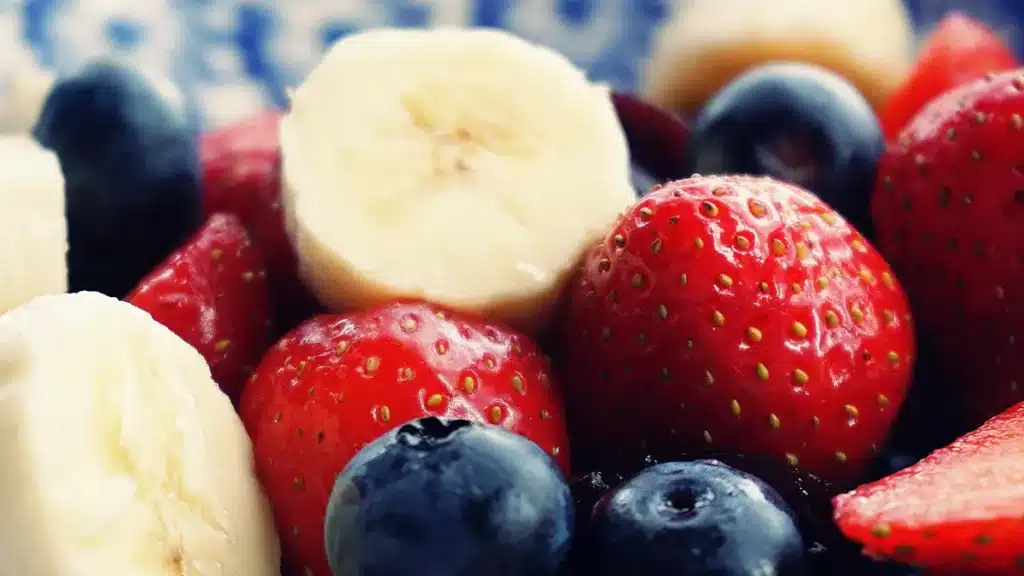
Fumaric acid is found in food. You can find it in apples, pears, papayas, plums, and citrus fruits. Radishes have a lot of natural fumaric acid, especially in their leaves, stems, and sprouts. Bolete mushrooms and Iceland moss also have this compound. The table below shows how much organic acid is in some fruits and how fumaric acid affects them.
| Fruit Species | Total Organic Acid Content (g kg−1) | Fumaric Acid Influence | Other Organic Acids Influence |
|---|---|---|---|
| Cornus officinalis | 36.30 (Drvar) to 48.4 (Višegrad) | Significant | Significant |
| Wild Strawberry | 4.53 (Romanija) to 9.22 (Bjelašnica) | No significant influence | Shikimic acid content significant |
| Rosehip | 5.87 (Foča) to 12.74 (Fojnica) | N/A | N/A |
| Bilberry | 9.78 (2014) to 15.16 (2015) | N/A | Significant |
This compound gives a sour taste to many fruits and vegetables.
Fumaric Acid in Plants and Fungi
Lots of plants and fungi make natural fumaric acid. Fumaria officinalis is a plant that has this compound. Rhizopus arrhizus is a fungus that makes a lot of fumaric acid. Lichens and Iceland moss are other examples of sources. The table below lists some important plants and fungi.
| Plant/Fungal Species | Notes on Fumaric Acid Source |
|---|---|
| Fumaria officinalis | Known plant source of fumaric acid. |
| Rhizopus arrhizus | Fungal species capable of industrial production. |
Plants and fungi use fumaric acid to make energy. The process starts when pyruvate goes into the tricarboxylic acid (TCA) cycle. Acetyl-CoA joins with oxaloacetate to make citrate. The enzyme aconitase changes citrate into isocitrate. Isocitrate turns into α-ketoglutarate. This becomes succinyl-CoA, then succinate, and then fumarate. The last step adds water to fumarate to make fumaric acid. This cycle helps plants and fungi grow and stay healthy.
Fumaric Acid in the Human Body
The human body also makes fumaric acid. It is part of the citric acid cycle, which helps cells produce energy and maintain normal metabolism. Human skin can make fumaric acid when sunlight hits it. Scientists do not know the exact amount of fumaric acid in human tissues or fluids, but they know it is important for energy.
Note: Fumaric acid is a natural part of the human body and helps keep cells working well.
People get fumaric acid from food, plants, fungi, and their own bodies. These sources make it easy for most people to get this compound in their diets.
Biological sources of fumaric acid
In living organisms, fumaric acid is mainly produced through metabolic pathways such as the citric acid cycle. The table below lists the main ways fumaric acid is made in nature:
| Pathway Type | Description |
|---|---|
| Citrate Cycle | Fumaric acid is mostly made in the citrate cycle, which is very important for its production. |
| Reductive Carboxylation Pathway | This way uses CO2 and pyruvate carboxylase to make a lot of fumarate. |
| Glyoxylate Bypass | Scientists thought this way worked, but tests showed it did not because of low yields and enzyme problems. |
| C3 plus C1 Mechanism | This way explains why C4 acids and fumaric acid build up when cells grow in certain ways. |
Fumarase is an enzyme found in almost all living things. It is very important in the citric acid cycle. Scientists learned that fumarase has not changed much over time. This shows the citric acid cycle is very important for life. The cycle helps cells use food for energy and make ATP. ATP gives power to many cell jobs.
Fumaric acid does more than help with energy. It also helps with other important jobs in the body:
- Fumaric acid goes into the TCA cycle and turns into malate, which helps make ATP.
- It can change back into oxaloacetate, which keeps the cycle working right.
- Fumarate joins the urea cycle and helps the body get rid of waste by making arginine.
- It helps in the purine nucleotide cycle, which makes DNA building blocks.
- Fumarate sends signals to control how much iron is in cells.
Note: These ways show that fumaric acid is important for energy and many other cell jobs. Cells in plants, animals, and fungi need these processes to stay healthy and work well.
Industrial sources of fumaric acid

Chemical Synthesis of Fumaric Acid
Most fumaric acid comes from factories using chemical synthesis. This starts with maleic anhydride, which is made from petroleum. Workers heat maleic anhydride and add special chemicals. This changes it into fumaric acid. The table below shows how much each method makes around the world:
| Method | Description | Global Production Volume |
|---|---|---|
| Chemical Synthesis | Changes maleic anhydride into fumaric acid | ~575 million lb (261,000 tons) |
| Biological Fermentation | Uses microbes to turn sugars into fumaric acid | 4,000 tons (historical context) |
Chemical synthesis is good for big factories. It gives a lot of product but depends on oil prices. This method can also cause air pollution and waste.
Fermentation Methods
Fermentation uses living things like fungi to make fumaric acid. Factories put sugars like glucose or sucrose in tanks with special fungi, such as Rhizopus arrhizus. The fungi eat the sugars and make fumaric acid. This method is more environmentally friendly because it uses renewable resources and produces less toxic waste. But it can be hard to get a lot of fumaric acid and keep the process steady.
- Rhizopus arrhizus grows well on sugars and can make up to 28 grams of fumaric acid per liter in some cases.
- Adding glycerol or other simple sugars helps the fungi make more fumaric acid.
Quality and Safety
Factories must check every batch of fumaric acid to make sure it is pure and safe for food or medicine. They test for heavy metals, arsenic, and other bad chemicals. NORBIDAR uses new technology and strict rules to make sure their fumaric acid is high quality. The company follows world rules like USP, FCC, and EP. These rules help keep products safe for people and animals.
| Application Type | Required Standards |
|---|---|
| Food-grade | FCC (Food Chemicals Codex) |
| Pharmaceutical-grade | USP/NF or Ph. Eur. specifications |
| Industrial-grade | Technical-grade purity with consistency requirements |
| Quality Certifications | ISO 9001, cGMP, HACCP, FSSC 22000, Kosher, Halal, Organic |
Fumaric Acid Uses in Products
Fumaric Acid in Food and Beverages
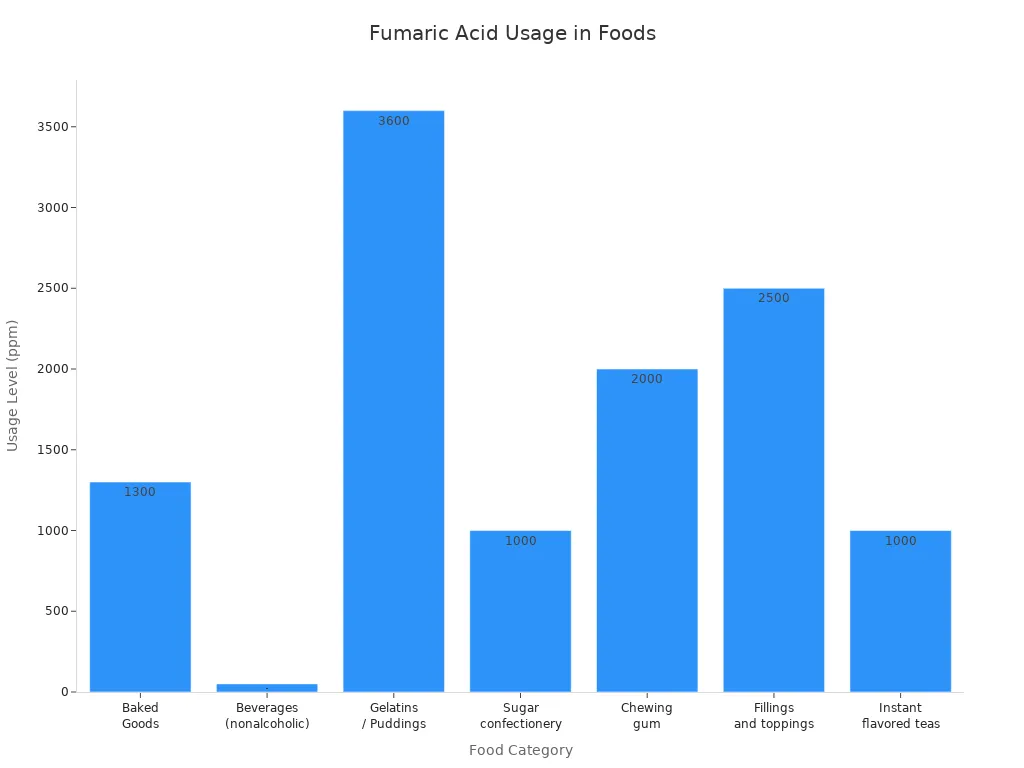
Fumaric acid is used in drinks. Food manufacturers use fumaric acid to enhance sourness, improve flavor, and extend shelf life. It helps bread and cakes rise and stay soft. Fumaric acid gives a tangy flavor to baked goods. Drinks like fruit juice and instant tea use it for better taste and to control sourness. The table below shows how much fumaric acid is used in different foods and drinks.
| Food Category | Typical Usage Level (ppm) |
|---|---|
| Baked Goods | 1300 |
| Beverages (nonalcoholic) | 50 |
| Gelatins / Puddings | 3600 |
| Sugar confectionery | 1000 |
| Chewing gum | 2000 |
| Fillings and toppings for fine bakery ware | 2500 |
| Instant products for flavored teas | 1000 |
Fumaric acid keeps food from going bad by making it more acidic. It also makes fruit flavors in jams and sauces taste brighter. NORBIDAR gives good quality fumaric acid for these foods.
Animal Nutrition Applications
Farmers put fumaric acid in animal feed to help animals grow. It helps animals use food better and stay healthy. Animals like chickens, pigs, and fish get stronger immune systems. Fumaric acid in feed keeps the stomach less sour and stops bad germs. The table below shows safe amounts to use.
| Application | Maximum Dosage (mg/kg) | Safety Concerns |
|---|---|---|
| Pigs and Poultry | 20,000 | Can bother the nose, skin, and eyes |
| Young Animals (milk replacers) | 10,000 | Safe limit found for young animals |
| All other species | No minimum/maximum | Safe if used carefully |
NORBIDAR’s fumaric acid helps farmers raise strong and healthy animals.
Pharmaceuticals and Personal Care
Doctors use fumaric acid to treat psoriasis and multiple sclerosis. For psoriasis, it helps the immune system and clears skin spots. Dimethyl fumarate, which is like fumaric acid, helps slow down multiple sclerosis. The table below explains how these medicines work.
| Condition | Active Ingredient | Therapeutic Effect |
|---|---|---|
| Psoriasis | Fumaric acid esters | Helps the immune system and clears skin spots. |
| Multiple Sclerosis | Dimethyl fumarate | Lowers stress in cells and slows the disease. |
Fumaric acid is also in skin creams and lotions. It helps remove dead skin and keeps skin moist. Most creams use only a little so skin does not get irritated.
Industrial and Other Uses
Factories use fumaric acid in many products. It makes car parts and building materials stronger. Fumaric acid in glues and paints helps them last longer and resist heat. The table below lists some ways factories use it.
| Application Type | Properties |
|---|---|
| Modified Rosin | Makes things harder and helps them stick better |
| Unsaturated Polyester Resins | Makes materials cure better and look shiny |
| Protective Coatings | Helps stop scratches, damage from chemicals, and sun light |
NORBIDAR’s fumaric acid is made to be safe and high quality for all these uses.
People use it in food, animal feed, medicine, and industry. Knowing where it comes from helps people stay safe and make good choices. The table below shows how much is safe to eat:
| Organization | Recommended Intake |
|---|---|
| FDA | 10 mg/kg body weight |
| JECFA | 0–6 mg/kg body weight |
| EU | 780 micrograms per person |
People should read labels and pick products from trusted companies. They should ask for a Certificate of Analysis if needed. If they are not sure, they can talk to a doctor or health expert.
FAQ
What foods naturally contain fumaric acid?
Fumaric acid is in fruits like apples and pears. You can also find it in papayas, plums, and citrus fruits. Bolete mushrooms and Iceland moss have fumaric acid too. Some vegetables, like radishes, have small amounts.
Is fumaric acid safe to eat?
Food safety groups such as the FDA and EU say fumaric acid is safe in food. Most people can eat it without problems. Kids and older people should not eat too much.
How does the body use fumaric acid?
Cells use fumaric acid to make energy in the citric acid cycle. The skin can also make fumaric acid when sunlight touches it.
Where can people find fumaric acid in products?
People can find fumaric acid in food, animal feed, and medicine. It is also in personal care products. Fumaric acid helps keep food fresh and supports animal and skin health.