Fumaric acid poses a variety of health and safety risks. Workers exposed to fumaric acid, especially in factories or workshops, face risks. Exposure to fumaric acid can damage the eyes and skin. Many people rely on fumaric acid manufacturers to provide clear safety guidelines. Understanding these hazards helps people protect themselves and prevent accidents.
Key Takeaways
- Fumaric acid can damage the eyes and skin. For safety, you should wear safety goggles and gloves.
- Inhaling fumaric acid dust can cause coughing and may lead to difficulty breathing. Wear a mask to prevent inhaling the dust.
- Keep your work area clean and prevent dust buildup. This helps prevent sparks from causing a dangerous explosion.
- When handling and storing fumaric acid, follow safety rules. Use sealed containers and label them correctly to ensure safety.
- If you are exposed to fumaric acid, learn first aid measures. Taking swift action can reduce injury and help you recover faster.
Health Risks

Eye Contact
Fumaric acid can cause damage if it gets into the eyes. You may experience pain or redness. Sometimes there may be a burning sensation in the eyes. Vision may be temporarily blurred. People exposed to this compound should protect their eyes. The manufacturer recommends wearing safety goggles to prevent accidents.
Skin/Inhalation
Contact with fumaric acid can cause redness and pain on the skin. If fumaric acid remains on the skin for too long, it can burn the skin. Some people may experience allergic reactions such as itchy rashes or swelling. Inhaling the dust can irritate the nose and throat, causing coughing or difficulty breathing. The manufacturer warns that allergic skin reactions may manifest as a generalized itchy rash. Workers should not inhale the dust. They should wear gloves and masks.
Caution: Contact with fumaric acid can cause redness and pain on the skin. Sometimes there may be burns. Allergic reactions may manifest as itchy rashes.
Physical Hazards
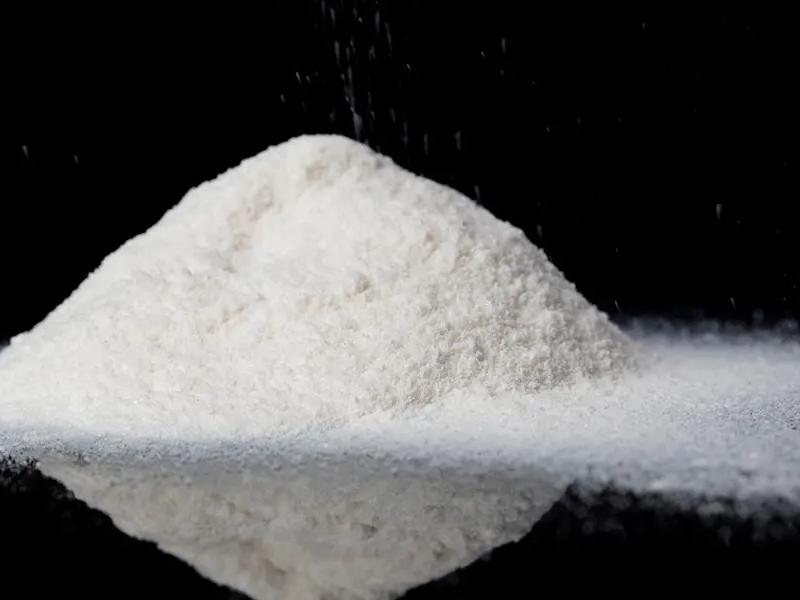
Fumaric acid is solid at low temperatures and is not flammable. However, dust can accumulate in the air. In the presence of a spark, the dust may explode. Workers should keep the work area clean and avoid generating dust. The manufacturer provides relevant procedures to help reduce dust and accidents.
Chemical Stability
Fumaric acid remains safe under normal conditions. It does not decompose or react with most substances. Keep it away from strong chemicals and high temperatures. The following table lists important information about its stability:
| Stability | Hazardous Decomposition Products | Conditions to Avoid |
|---|---|---|
| Fumaric acid stays safe in normal use and storage. | Carbon dioxide and carbon monoxide can form when it gets too hot. | Heat, dust, and things it should not mix with. |
Decomposition
Fumaric acid decomposes at high temperatures, producing gases such as carbon dioxide and carbon monoxide. These gases can be extremely dangerous if they fill a confined space. Heating fumaric acid in poorly ventilated areas is absolutely unacceptable. Manufacturers typically provide safety guidelines for using and heating fumaric acid.
Ingesting large amounts of fumaric acid can damage the stomach, potentially causing the following problems:
- Stomach ulcers
- Bleeding
- Blockage in the digestive system
Always follow safety procedures when using fumaric acid.
Safety Precautions
Personal Protective Equipment
Workers must wear appropriate protective equipment when handling fumaric acid. Goggles protect the eyes from splashes and dust. Gloves protect the skin from burns and irritation. Masks or respirators prevent dust from entering the mouth and nose. Lab coats or aprons cover clothing and skin. Closed shoes prevent fumaric acid from splashing onto the feet.
Tip: Always check equipment before use. Replace immediately if damaged.
Manufacturers recommend wearing protective equipment in all work areas. Workers should use this equipment daily. Supervisors need to remind workers to wear their equipment. Training helps everyone understand the importance of safety equipment.
Safe Handling and Storage
Safe handling means keeping the workplace clean. Workers should quickly clean up dust and spills to avoid raising dust. Fumaric acid must be stored in tightly closed containers. Labels must clearly state the name and hazard information.
The following table provides some safe storage tips:
| Storage Tip | Reason |
|---|---|
| Keep containers closed | Stops spills and dust |
| Store in cool, dry place | Prevents breakdown |
| Use proper labels | Helps identify hazards |
| Separate from strong chemicals | Avoids dangerous reactions |
People should not eat, drink, or smoke near fumaric acid. Hands must be washed after contact with fumaric acid. The manufacturer provides clear storage and handling rules. Workers should read the safety manual and follow all rules.
Safety begins with good habits. Workers who develop these habits are able to protect themselves and others.
Emergency Response

First Aid Measures After Exposure
Taking prompt action helps reduce the harm caused by fumaric acid exposure. People should know how to respond to exposure to this compound.
- Eye Contact:
If fumaric acid gets into the eyes, immediately flush both eyes with water for at least 15 minutes. While flushing, keep the eyelids open and move the eyeballs in all directions. Removing contact lenses helps to flush the entire eye with water. - Skin Contact:
If fumaric acid comes into contact with skin, immediately wash the affected area with soap and water. Remove any clothing contaminated with fumaric acid. Keeping skin clean helps prevent burns and irritation. - Inhalation:
If dust is inhaled, immediately move to fresh air. Rest and breathe slowly. If coughing or difficulty breathing occurs, a supervisor should immediately call for medical assistance. - Swallowing:
If fumaric acid is swallowed, rinse your mouth with water immediately. Do not induce vomiting unless directed by a doctor. Drinking small amounts of water helps dilute the acid.
⚠️ Note: Always inform a supervisor of any exposure. Reporting quickly helps keep everyone safe.
When to Seek Medical Attention
Some symptoms require medical attention. If you experience eye pain, blurred vision, or swelling after exposure, seek medical attention immediately. Skin burns, rashes, or signs of an allergic reaction also require medical attention. Difficulty breathing, chest pain, or a persistent cough means the patient should seek medical attention immediately. If someone has ingested fumaric acid and feels unwell, go to a hospital immediately.
A doctor can help most people recover from fumaric acid exposure. The table below outlines the typical process people go through after seeking medical attention:
| Outcome | Percentage (%) | Median Duration (days) |
|---|---|---|
| Events resolved | 88.8 | 7.5 |
| Duration of diarrhea | N/A | 5 |
| Duration of nausea | N/A | 4 |
| Duration of upper abdominal pain | N/A | 5 |
| Duration of vomiting | N/A | 1 |
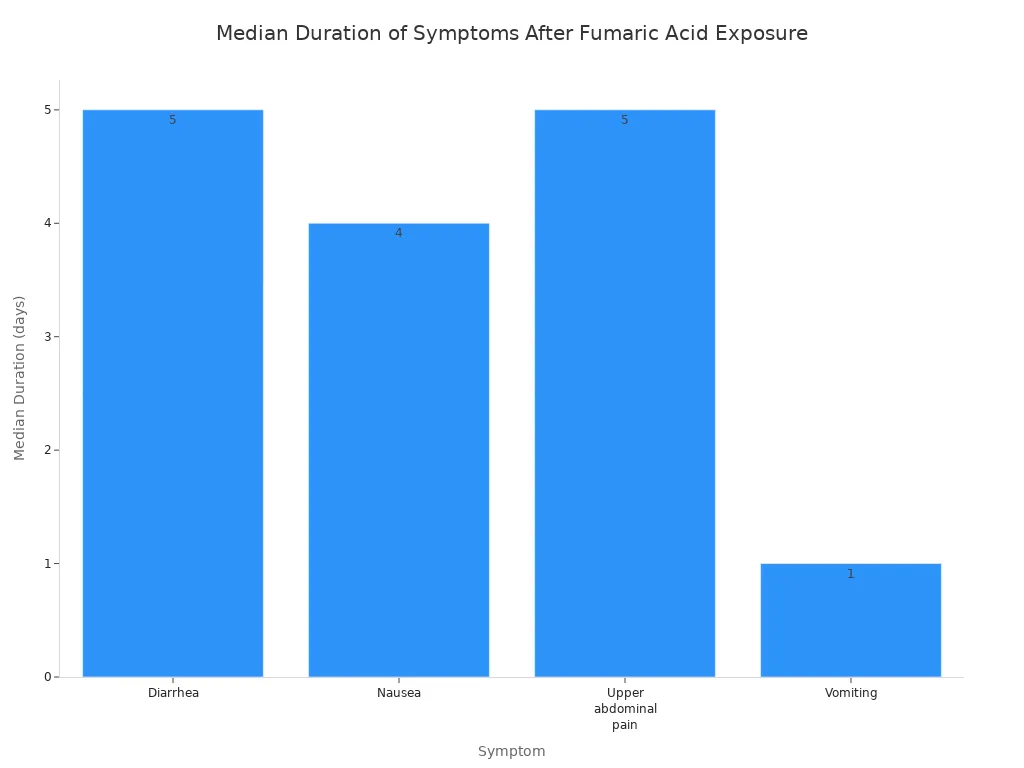
Most people recover in about a week. Symptoms such as vomiting usually last only a day. Diarrhea and stomach pain can last up to five days. Seeking medical attention promptly helps patients recover faster and prevents serious problems.
Fumaric acid may pose a threat to your health and safety. If handled carelessly, it can damage your eyes, skin, and respiratory system. When using it, people need to wear protective equipment and follow relevant regulations. Listening to expert safety advice is crucial. If someone is injured, seek help immediately. Manufacturers provide important safety advice. Most problems can be avoided if people understand the risks and handle things carefully. This helps keep everyone safe.
FAQ
What should workers do if there is a fumaric acid leak?
Workers should wear gloves and masks. They should sweep up the powder to avoid generating dust. They must place the waste in a sealed container. They should wash their hands after cleaning.
Is fumaric acid safe for use in food?
Small amounts of fumaric acid are safe for use in food. Food manufacturers follow strict regulations. They test their products to ensure they are safe for humans.
Can children come into contact with fumaric acid?
Children should not come into contact with fumaric acid. Only trained adults should handle fumaric acid. This is to ensure the safety of everyone.
How can workers prevent dust explosions?
Workers can prevent dust explosions by keeping their work areas clean. They should avoid creating dust clouds. Machines should be well-ventilated. Safety inspections help prevent accidents.