
Food safety groups affirm that fumaric acid safety is well-established. This compound is commonly found in a variety of foods and products. The FDA, EFSA, and JECFA have thoroughly evaluated its usage and concluded that consuming fumaric acid in food is safe for the majority of individuals. It is important for people to understand that fumaric acid safety can vary based on how and where it is utilized.
Key Takeaways
- This compound makes foods and drinks taste sour. It also helps them last longer. It is important in the food industry.
- Some people may have allergic reactions to fumaric acid. You should check food labels if you are sensitive. Ask a doctor if you have concerns.
- Fumaric acid is made by chemical synthesis and fermentation. Fermentation is better for the environment.
- Always follow safety rules when using fumaric acid at work. This helps prevent irritation and health problems.
What Is Fumaric Acid?
Fumaric acid is used in lots of foods and products. Scientists say it is an organic acid. It looks like a white powder and has no smell. The taste is sour. You can find it in processed foods, drinks, and animal feed.
Chemical properties
Fumaric acid’s formula is C4H4O4. Chemists call it 2-butenedioic acid in its trans form. Its structure is symmetric and unsaturated. It is a dicarboxylic acid. Fumaric acid is very strong. It is about 1.5 times stronger than citric acid. Citric acid is also found in many foods. Fumaric acid does not dissolve in water as well as citric or malic acid.
| Acid Type | Solubility (g/L) | Acidity Strength (relative) |
|---|---|---|
| Fumaric Acid | 5.3 | 1.5 times stronger than citric acid |
| Citric Acid | 960 | Baseline |
| Malic Acid | 845 | Baseline |
Because fumaric acid does not dissolve much, food makers use less of it. This gives foods the same sour taste. It also helps foods stay fresh longer by keeping their pH low.
Source
Factories make a lot of fumaric acid for food, fumaric acid for animal feed, and fumaric acid in industry. There are two main ways to make it. One way is chemical synthesis. This starts with n-butene. It turns into maleic anhydride, then maleic acid, and finally fumaric acid. This method works well but can harm the environment. Many companies now use fermentation. Fermentation uses fungi to make fumaric acid in a more natural way.
Note: Factories use better catalysts and dust control to stop pollution. Sustainable methods help lower the carbon footprint when making fumaric acid.
NORBIDAR is a trusted company that makes fumaric acid. They produce high-quality fumaric acid for food, animal feed, and industry. Other companies in food, cosmetics, medicine, and chemicals also make and use fumaric acid.
Fumaric acid safety depends on how it is used. Food safety groups like the FDA and EFSA have checked its use in food.
Fumaric acid is safe in food. The FDA says it is “Generally Recognized as Safe” (GRAS). There is no limit for eating it in food. The body naturally has small amounts of fumaric acid. In factories, safety depends on how much is used and how people are exposed. High amounts can be risky. Workers must follow safety rules.
| Use Type | Safety Classification | Regulatory Body | Notes |
|---|---|---|---|
| Food Use | Generally Recognized as Safe (GRAS) | FDA | No upper limit for consumption; naturally present in the body. |
| Industrial Use | Varies based on concentration and exposure | N/A | Safety assessments may differ; high concentrations can pose risks. |
Fumaric acid is important in many industries. Food makers use it to improve taste and shelf life. Medicine companies use it for its acidity and stability. Polymer makers use it for its reactive properties. Animal nutrition experts add it to feed to make it better.
The global market for fumaric acid is growing. In 2024, people used about 230,000 tonnes worldwide. Asia Pacific makes over 35% of the total. Food-grade fumaric acid is about 65% of the market.
Health Risks And Precautions
Allergies And Sensitivities
A few people can have a reaction to fumaric acid. Most people do not have problems with it. Allergic reactions might cause skin issues, stomach pain, or itching. Some people have gotten rashes or eczema after touching things with fumaric acid. Sometimes, a person gets a very itchy rash. The rash goes away when they stop using the product.
| Symptom | Description |
|---|---|
| Flushing | Skin turns red and feels hot. |
| Gastrointestinal | Stomach pain, nausea, vomiting, or diarrhea. |
| Pruritus | Skin feels itchy. |
Doctors use patch tests to find out if someone is allergic. Kids, people with eczema, asthma, or hay fever, and those who reacted to food additives before, have a higher risk.
| Population/Condition | Risk Level |
|---|---|
| Children | Higher |
| Individuals with eczema, asthma, or hay fever | Higher |
| Individuals with previous reactions to food additives | Higher |
Note: If you get a rash, itch, or stomach pain after eating foods with fumaric acid, you should see a doctor.
Toxicity And Overexposure
Fumaric acid is safe if you eat the right amount. Scientists tested animals and found it is not very toxic. Rats only had problems when they got huge doses.
| Species | LD50 (mg/kg) | Observed Effects |
|---|---|---|
| Rat | ~8000 | Low acute toxicity |
| Rabbit | 3600-4800 | Low acute toxicity |
| Guinea pig | N/A | No bad effects on growth |
| Dog | N/A | No bad effects on organs |
Eating too much or using it in the wrong way can be harmful. Some people had blood cell changes or kidney problems from high doses. Never eat or touch fumaric acid that is not made for food.
- Leucopenia (low white blood cells)
- Lymphopenia (low lymphocytes)
- Possible kidney problems
Irritation And Handling Hazards
Fumaric acid can bother your skin, eyes, or lungs if you use a lot. This happens mostly in factories. Workers can get rashes or breathing trouble from the dust.
| Type of Irritation | Description |
|---|---|
| Skin Irritation | Direct contact can cause redness or rash. |
| Respiratory Issues | Breathing dust may cause coughing or shortness of breath. |
Tip: Workers should wear gloves, masks, and eye protection when working with fumaric acid in factories.
People should not use fumaric acid at home or outside of safe products. Following safety rules keeps everyone safe and helps make sure fumaric acid is used safely.
Safe Use And Typical Applications
Food And Beverage Uses
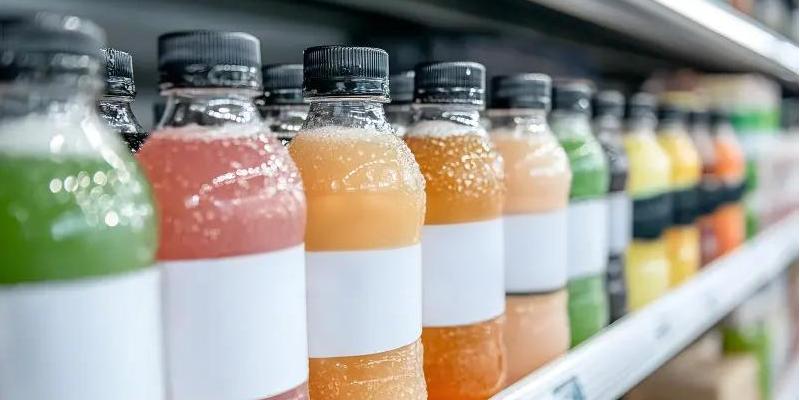
Lots of foods and drinks have fumaric acid. Companies add it to make foods taste sour. It also helps keep foods fresh for longer. Fumaric acid helps jams and jellies get thick. You can find it in many foods, like:
- Dry drink mixes
- Instant drinks
- Liquid concentrates
- Jams and jellies
- Seasonings and sauces
- Fruit drinks
- Gelatine desserts
- Pie fillings
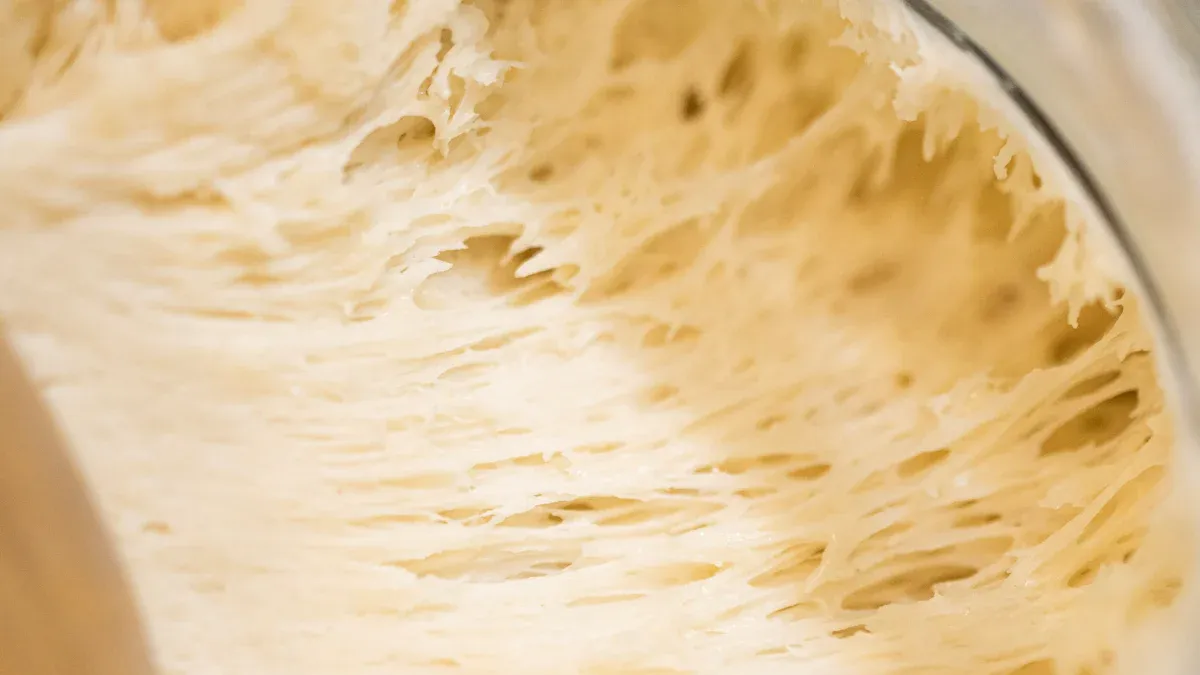
- Biscuit doughs
- Wines
Food safety groups make rules for using fumaric acid. The FDA and EFSA say how much can go in each food. The table shows how much is used in some foods:
| Processed Food Category | Typical Usage Level (ppm) |
|---|---|
| Baked Goods | 1300 |
| Beverages (nonalcoholic) | 50 |
| Gelatins / Puddings | 3600 |
| Wines | Below 31 mg/L |
| Soft Drinks | Free |
These amounts help keep foods safe for most people.
Animal Nutrition And Other Industries
Fumaric acid is also important for animal feed. Feed makers add it to help animals stay healthy. It helps animals use food better and grow well. It can lower bad bacteria in the stomach. The FDA says fumaric acid is safe for food. JECFA says there is no set limit for normal eating. The body makes fumaric acid, and extra is removed safely.
Other businesses use fumaric acid too. Medicine makers use it to keep drugs stable. Some medicines also have fumaric acid. Plastic makers use it to make strong plastics and resins. Factories keep fumaric acid in closed containers. They make sure there is good air flow.
Note: People should not use fumaric acid at home or in things not made for it. Only trained workers should use it in factories. Safety rules are important for everyone’s health.
Fumaric acid is safe for most people in food. Food safety groups like the FDA, EFSA, and WHO say it is okay if used by the rules.
- The FEEDAP Panel says it is safe for animals and people.
- EFSA and FDA have rules for which foods can use it.
People with certain health problems should not eat fumaric acid esters. If you are worried or have special health needs, talk to a doctor.
FAQ
Is fumaric acid safe for children?
Doctors and food safety groups say it is safe for kids in food. Kids with allergies or sensitive skin should not use products with fumaric acid. Parents need to look at food labels for additives.
Can people with allergies eat foods with fumaric acid?
Some people can get a skin or stomach reaction. Most people do not have any problems. People who had allergies before should ask a doctor before eating foods with fumaric acid.
What happens if someone eats too much fumaric acid?
Eating a lot can cause stomach pain or diarrhea. The body gets rid of extra fumaric acid by itself. People should only eat foods with safe amounts.
Where can people find fumaric acid in daily life?
| Product Type | Example Uses |
|---|---|
| Food | Drinks, baked goods |
| Animal Feed | Livestock nutrition |
| Personal Care | Skin creams |
| Industry | Plastics, resins |