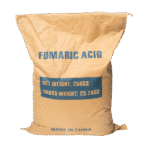
Fumaric acid remains stable under normal conditions, benefiting various industries. In the food sector, it helps maintain fresh flavors and extends the shelf life of products. Pharmaceutical manufacturers utilize fumaric acid to ensure the stability and safety of medications, making it an essential component in drug formulation. Additionally, industrial fumaric acid is crucial for producing strong resins, which are widely used in construction and automotive applications.
Key Takeaways
- Fumaric acid stays stable in normal situations. This makes it good for food, medicine, and factories.
- Keep fumaric acid in a cool and dry spot. This helps it stay good and stops it from sticking together or going bad.
- Fumaric acid makes food taste better and last longer. It helps food stay fresh for more time.
- Fumaric acid does not break down in high heat. This makes it great for baking and factory work.
- Mixing fumaric acid with some things can make it work better. It can also help it stay stable in many products.
Chemical stability of fumaric acid
Molecular structure and isomer stability
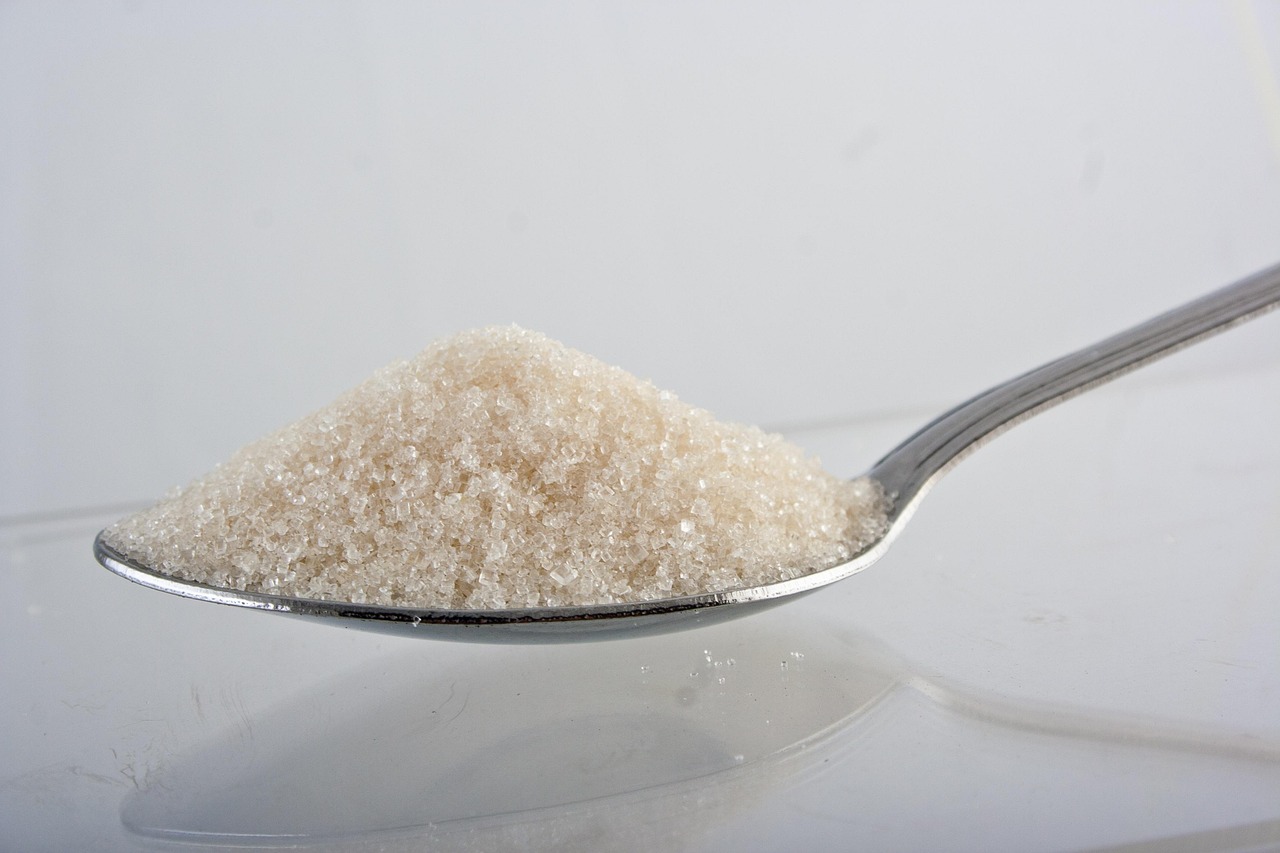
Fumaric acid is special because of its shape. The two carboxylic acid groups are on opposite sides. This shape is called the trans isomer. It helps atoms not get too close together. Scientists call this less crowding steric strain. The trans shape lets molecules make strong hydrogen bonds. These bonds help the molecules stick together in a crystal. Because of this, fumaric acid melts at a high temperature. It stays stable in normal conditions.
- The carboxylic acid groups are far apart, so atoms do not crowd.
- Molecules make strong hydrogen bonds with each other.
- The crystal is tightly packed, which makes it stable and hard to melt.
Scientists did a study at low temperatures. They looked at maleic and fumaric acids. Fumaric acid had several low-energy shapes. These shapes had both carboxylic groups in the cis arrangement. The study proved the trans isomer is stable.
Resistance to decomposition and breakdown
Fumaric acid does not break down easily. It does not react with air or light. It stays stable at room temperature. It only starts to break down at about 230°C. This makes it good for things that need to handle heat. Fumaric acid does not get oxidized quickly. It does not break down fast with common chemicals.
| Property | Explanation |
|---|---|
| Structural Stability | The trans shape keeps atoms apart, so it is more stable than maleic acid. |
| Thermal Stability | It does not break down easily when hot, so it works well in heat. |
| Limited Reactivity | Fumaric acid does not get oxidized in normal conditions, so it lasts longer and works better. |
Comparison with other organic acids
Fumaric acid is more stable than many other acids. Maleic acid is the cis isomer. Its carboxylic acid groups are on the same side. This makes atoms crowd together. It does not pack well in crystals. Maleic acid breaks down faster and melts at a lower temperature. Citric acid also breaks down at lower temperatures. It is less stable in air and light.
| Property | Fumaric Acid | Citric Acid | Maleic Acid |
|---|---|---|---|
| Stability in Light/Air | High | Moderate | Low |
| Thermal Stability | Melts at 287-300°C | Breaks down at lower temperatures | Breaks down at lower temperatures |
| Resistance to Breakdown | Strong | Moderate | Low |
The form of fumaric acid changes how it works. If it is a crystal, it is more stable and dissolves slower. This helps keep food fresh. Lipid carriers and surfactants can change how fumaric acid acts in mixtures. This can change how it is released and how stable it is in products.
Physical stability and storage conditions
Heat and thermal resistance
Fumaric acid is very good at handling heat. It keeps its shape even when it gets very hot. Many companies use it in products that need to stay strong during baking or making things. It melts only when the temperature is higher than 280°C. This means it does not fall apart easily. Because of this, it is a good choice for foods that are cooked or for materials made with heat.
Light, air, and moisture effects
Light and air do not change fumaric acid much. It stays the same in normal light and air. But water in the air can make it less stable. If there is a lot of humidity, some types of fumaric acid can soak up water and lose strength. New studies show that mixing fumaric acid with berberine chloride helps it fight moisture. This cocrystal does not take in much water, even when it is hot or wet. Tests show this form keeps its shape, but hydrates can get weak and soak up water fast.
- Cocrystal with berberine chloride fights water and heat.
- Hydrate types soak up water and get weak in wet air.
- The cocrystal keeps its shape in tough tests.
Best storage practices for fumaric acid
Storing fumaric acid the right way keeps it good. Use dry, closed containers to keep out water and stop clumps. The kind of package matters for how long it lasts. Some new packages use special gels to control water and stop germs. Other packages have coatings with fumaric acid to keep food safe and fresh. Layered coatings can control how fumaric acid comes out, which helps it fight germs for longer.
| Packaging Material Description | Impact on Shelf Life |
|---|---|
| Bio-based hydrogels | Controls moisture, reduces spoilage |
| Antimicrobial coatings with fumaric acid | Increases food safety, reduces harmful bacteria |
| Layer-by-layer coating for controlled release | Maintains antimicrobial effect, extends shelf life |
Tip: Keep fumaric acid in a cool, dry spot. Do not let sunlight or wet air touch it. Use closed packages to keep it strong and working well.
Fumaric acid in different environments
Stability in water and solutions
Fumaric acid does not dissolve much in water. At room temperature, only about 5.3 grams will mix into one liter of water. Because of this, it does not blend well in most drinks or foods unless special steps are used. In liquids with alcohol, like some wines, it dissolves a little better. It can reach about 6.4 grams per liter in these drinks. The kind of liquid changes how much fumaric acid can mix in. In wine, it mixes about three times more than in plain water.
- Water: Only a little dissolves (5.3 g/L)
- Hydro-alcoholic solution: More dissolves (6.4 g/L in 12% alcohol)
- Wine: Mixes about three times better than in water
Scientists tested fumaric acid at different pH levels. They saw that the amount in the liquid changed. At pH 5, the amount went up fast after adding it, then dropped as cells took it in. At lower pH, like 3.0, the amount went up a little, probably because fewer cells were there to take it in.
Behavior in acidic and basic media
The pH of the liquid changes how fumaric acid acts. In acids with pH below 5, it moves slowly and does not pass through as easily as succinic or malic acid. When the pH is above 5, fumaric acid moves faster and passes through more easily. The table shows how fumaric acid acts compared to other acids at different pH levels:
| pH Level | Order of Mass Flows | Order of Permeability Factors |
|---|---|---|
| < 5 | Fumaric < Succinic | Fumaric < Malic < Succinic |
| > 5 | Succinic < Malic < Fumaric | Succinic < Malic < Fumaric |
Note: How fumaric acid moves and gets used depends on the pH. It becomes more active when the liquid is more basic.
Reactions with other chemicals
Fumaric acid stays the same with most common chemicals. It does not react fast with air or light. Strong bases or oxidizers can make it break down, but in normal situations, it does not change. When mixed with other acids or alcohols, how much it dissolves and how stable it is can change. Scientists use this to control how fumaric acid works in foods, drinks, and medicines.
NORBIDAR Fumaric Acid: Uses and Benefits
Food and beverage applications
NORBIDAR makes fumaric acid that is very pure and always the same quality. Food companies add it to foods to make them taste better and last longer. Because it is stable, foods stay fresh for more time. The table below shows how NORBIDAR fumaric acid helps different foods and drinks:
| Application | Benefits |
|---|---|
| Baked Goods | Makes dough stronger, improves texture, gives a sour taste. |
| Confectionery | Makes candy sour, keeps it fresh, stops it from getting wet. |
| Beverages | Adds more sourness, keeps pH steady, stops extra fermentation. |
| Jams and Jellies | Makes jelly firmer, lets you use less gelatin, keeps it fresh longer. |
| General Benefits | Works as an acid, keeps food safe, helps dough rise, makes food smooth, stops clumping. |
Tip: NORBIDAR’s special way of making fumaric acid helps food stay safe and taste good.
Animal nutrition and feed benefits
Farmers and animal food makers use NORBIDAR fumaric acid to help animals stay healthy. This compound helps animals get energy by helping the TCA cycle work. Animals can handle stress better and do well. Fumaric acid also helps animals take in minerals like calcium and zinc. These minerals help bones grow strong and keep animals from getting sick.
Fumaric acid makes the gut more acidic. This helps animals use enzymes to break down protein. Animals can use their food better and have fewer stomach problems. It also keeps bad bacteria away by making the gut a good place for healthy bacteria. Healthy bacteria help animals get more nutrients and stay strong.
Industrial, personal care, and pharmaceutical uses
NORBIDAR’s fumaric acid is important in factories and health products. Companies use it to make resins for coatings and plastics. These things last longer and do not get damaged by chemicals because of fumaric acid. In personal care, it gently removes dead skin and makes skin feel soft. It can help skin look brighter and calm redness. Medicine makers use fumaric acid because it protects cells and nerves. Stable medicines work better and last longer.
NORBIDAR uses new science methods to make very pure fumaric acid. Their focus on quality means you can trust it in every use.
Factors affecting fumaric acid stability
Environmental and microbial influences
Temperature, humidity, and pH can change how stable fumaric acid is. If the air is very wet, the powder can stick together or dissolve. This makes the quality go down. Hot weather can make chemical changes happen faster. Germs and bacteria also change how stable fumaric acid is. If germs grow, they can spoil the product. Spoiled products can taste bad, feel different, or become unsafe. The table below shows how germs can change shelf life and quality:
| Factor | Explanation |
|---|---|
| Microbial contaminants can lead to spoilage and alter product quality | Germs can grow and spoil the product. |
| Changes in flavor, texture, and safety | Spoiled products can taste or feel different and may not be safe. |
| Factors like pH and temperature influence microbial growth | Lower pH and cooler temperatures slow germs down. Higher values make them grow faster. |
Chemical contaminants and incompatibilities
Chemicals can also make fumaric acid less stable. Strong oxidizers, bases, or reducing agents can react with it and break it down. Dust, dirt, or other chemicals from the air can mix in and change how it works. Bad packaging can let in water or air. This can make the powder stick together or spoil. Companies need to pick packaging that keeps out chemicals and protects the product.
Tips to maintain stability
- Keep the product in a cool, dry place.
- Use containers that close tightly to keep out water and air.
- Do not let strong chemicals or cleaners touch the product.
- Check the package for damage before using it.
- Keep the storage area clean so germs do not grow.
Tip: Storing and handling fumaric acid the right way helps keep it safe and working well for a long time.
Fumaric acid stays stable in many different uses. New research shows that mixing it with L-valine makes it handle heat better and dissolve more easily. This helps in making medicines and new materials. Storing it the right way keeps it safe and working well. People should use good storage methods and read the product instructions. NORBIDAR sells top-quality fumaric acid for food, animal feed, and factories.
FAQ
What makes fumaric acid stable?
Fumaric acid has a special trans isomer shape. This shape keeps its atoms from getting too close. Strong hydrogen bonds help the crystals stick together. These things make fumaric acid stable in lots of situations.
Can fumaric acid handle high temperatures?
Fumaric acid does not break down when it gets hot. It only melts if the temperature goes over 280°C. Because of this, people use it in baking and factories.
How should people store fumaric acid?
Fumaric acid should be kept in dry, closed containers. Storing it in a cool place helps it last longer. Sunlight and water can make it clump, so keep those away.
Is fumaric acid safe for food use?
Food companies use fumaric acid to make food sour and last longer. Food safety groups say it is okay to use in foods. It helps keep food fresh and safe to eat.
Does fumaric acid react with other chemicals?
Fumaric acid does not change with most chemicals. Strong bases or oxidizers can break it down. In normal use, it stays the same and keeps working well.