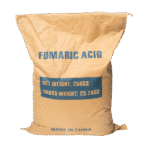

Fumaric acid in food is indeed vegan. Individuals who follow a plant-based diet are concerned about animal ingredients, and Fumaric acid does not contain any animal products or parts. This aligns with the beliefs of vegans, who strive to avoid animal-derived substances. Many people inquire, “Is fumaric acid vegan?” The answer is a resounding yes. This ingredient is suitable for vegans as it is either derived from plants or synthesized in laboratories.
Key Takeaways
- Fumaric acid is always vegan. It does not have animal products or by-products.
- This ingredient is in many foods like bread, drinks, and candy. It is safe for vegans to eat.
- Reading ingredient labels is very important. Look for ‘fumaric acid’ or ‘E297’ on the label to find this additive.
- Companies now use greener ways to make fumaric acid. This helps the environment and vegan people.
- Fumaric acid makes food taste and feel better. It is useful in many vegan recipes.
What is fumaric acid?
Fumaric acid is a natural compound. It looks like a white powder made of crystals. Its chemical formula is C₄H₄O₄. The molecular weight is 116.07 grams per mole. This compound is the trans (E) isomer of but-2-enedioic acid. It melts at 287°C. Fumaric acid does not dissolve well in water. You can find fumaric acid in some plants and fungi. Some examples are Fumaria officinalis (fumitory), Iceland moss, bolete mushrooms, and aloe vera. Fumaric acid is also important in the human body. It is part of the tricarboxylic acid (TCA) cycle. This cycle helps the body make energy from food.
Uses in food and other industries
Fumaric acid is used in many industries. In food, it is a food additive. It helps keep food fresh by stopping bacteria. This makes food last longer. Fumaric acid also gives a sour taste to drinks like soda, fruit juice, and sports drinks. Bakers use it to control the pH in dough. This makes bread and tortillas have a better texture. Candy makers add it to sweets and gum for a tangy taste and good texture. Outside of food, fumaric acid is used to control acidity. It is also used to make medicines.
| Application Type | Description |
|---|---|
| Food Preservative | Stops bacteria from growing, so food lasts longer. |
| Acidulant in Beverages | Makes drinks taste tart and improves flavor. |
| pH Regulator in Bakery | Controls pH in dough, making bread and tortillas better. |
| Flavor Enhancer in Confectionery | Adds a tangy taste and better texture to candy and gum. |
| Industrial Use | Used to control acidity and to help make medicines. |
More people are choosing plant-based diets now. Because of this, fumaric acid is used more in vegan foods. It helps keep these foods fresh and tasty. Many companies add fumaric acid to their recipes. This helps them make products that vegans want.
Identifying fumaric acid on labels
You can find fumaric acid on ingredient labels. It is listed as “fumaric acid” or as E297. Shoppers should look for these names on packages. Fumaric acid is in many foods like bread, drinks, and candy. More people want plant-based foods now. So, companies use this food additive more often. If you want to avoid some additives, always read the ingredient list.
Tip: Check for “fumaric acid” or “E297” on packages. This will help you find this food additive in snacks and drinks.
How is fumaric acid made?
Fermentation and biosynthesis methods
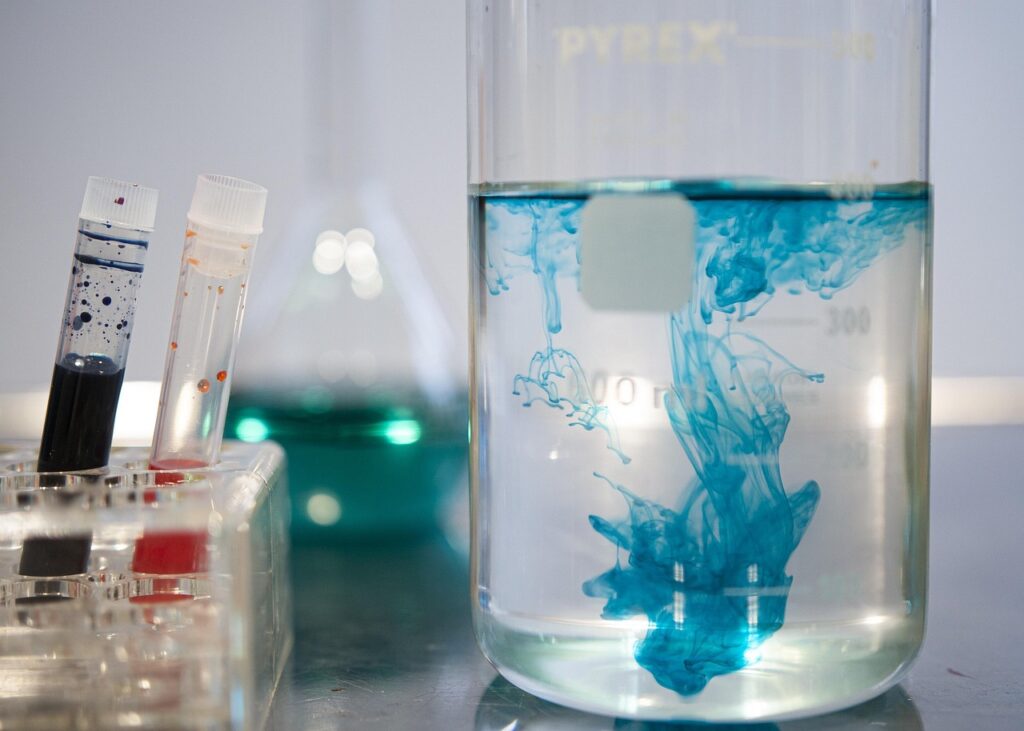
There are different ways to make fumaric acid for food. Most companies use chemical synthesis. This method uses chemicals from oil and gas. It works by changing these chemicals with a catalyst and then making crystals. Chemical synthesis is popular because it makes a lot of fumaric acid fast. But now, many companies want to use greener ways. They try biosynthesis and fermentation. These ways use things like plant sugars instead of oil.
Biosynthesis uses tiny living things to change sugar into fumaric acid. Fermentation is a good choice because it makes less pollution. It also saves energy. Green methods use things that are easy to find, not just pure sugar. This helps the earth. NORBIDAR uses new technology to make very pure fumaric acid. These new ways help companies make eco-friendly ingredients.
Tip: Pick foods from companies that use green methods. This helps the planet and supports good factories.
Animal-derived sources—are there any?
Some people worry about animal stuff in food additives. Today, companies almost never use animals to make fumaric acid. Plant-based and lab-made ways are cheaper and easier. Scientists have shown you can make fumaric acid from animal waste, like cow poop. This uses special fungi to turn waste into chemicals. But this way is not used much in food.
Fumaric acid for food does not come from animals. Companies pick plant or lab ways because they are safer and work better. Even if fumaric acid is used in animal feed, it is still vegan in food. People who do not eat animal products can trust fumaric acid on labels.
Is fumaric acid vegan?
Why it is considered vegan
Food scientists and vegan dietitians study how it is made. They check if animal products are used in the process. They also look for animal by-products. Most companies use plant sugars or fermentation to make fumaric acid. They do not use animals to make it. This means there are no animal parts in the final product.
Vegan dietitians say fumaric acid is vegan. They check where it comes from and how it is made. They say it is safe for people who do not eat animal foods. Some people wonder if it is still vegan when used in animal feed. The answer is yes. Using it in animal feed does not change its vegan status in food.
Here are some reasons why experts say fumaric acid is vegan:
- No animal products or animal-derived ingredients are used.
- The process does not need animal by-products.
- Vegan dietitians have checked and confirmed it is vegan.
- Food scientists agree it fits vegan standards.
Some ingredients are never vegan. Others are sometimes vegan. Fumaric acid is always vegan. People who avoid animal products can trust this additive.
Industry standards and certifications
Food companies must follow strict rules. They have to show their products are safe and follow diet laws. Many groups check if an ingredient is vegan, halal, or kosher. These groups look for animal products and other things that matter to people with special diets.
The table below shows why the food industry says fumaric acid is vegan:
| Reason for Vegan Classification | Explanation |
|---|---|
| No Animal Products | Fumaric acid is made without animal products, by-products, or derivatives. |
| Safety for Consumption | It is known to be safe to eat. |
| Compatibility with Dietary Laws | It works with halal and kosher diets. |
Rules help people know what is in their food. Labels often show if something is vegan, halal, or kosher. They also show if it is free from animal products. The table below lists common claims for fumaric acid:
| Attribute | Description |
|---|---|
| Ingredient Name | Fumaric Acid |
| Functions | Acidulant |
| Physical Form | Powder |
| Labeling Claims | Non-GMO, Azo Dyes-free, Ethylene Oxide-free, Not Listed In California Proposition 65, Irradiation-free, TSE-free, Odor-free, Allergen-free, Halal, Kosher, BSE-free, Animal Products-free |
| Features | Adds flavor, good for vegetarian foods, pH balancing, good for vegans, sewage sludge free, ovo-lacto vegetarian suitable |
People often ask if it is halal or kosher. Fumaric acid meets both halal and kosher rules. It does not use animal products. It is also safe for vegans. Food companies use these labels to help shoppers pick the right foods.
Note: Always check the label for vegan, halal, or kosher claims. This helps you avoid animal ingredients and pick the right food for your diet.
Vegan alternatives to fumaric acid
Other vegan acids and preservatives
There are many acids and preservatives that can take the place of fumaric acid in vegan foods. These choices help keep food safe and fresh. They also make food taste sour or improve its texture. Some common vegan-friendly acids are:
- Acetic acid (E260)
- Benzoic acid (E210)
- Sodium benzoate (E211)
- Lactic acid (E270)
- Erythorbic acid (E315)
- Calcium lactate
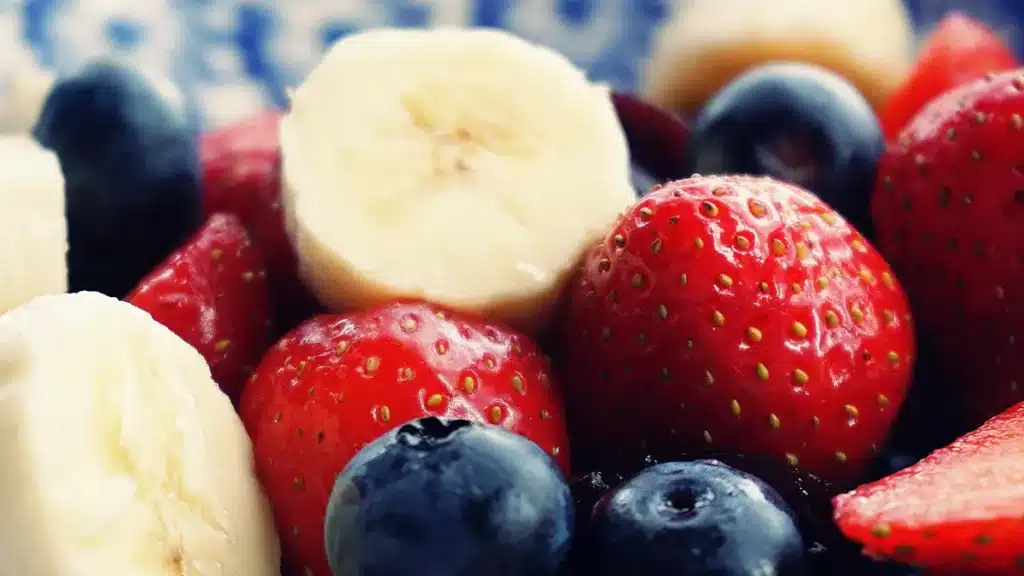
Citric acid and malic acid are used a lot in vegan foods. They come from fruits and vegetables. Both acids give food a sour taste and help it last longer. The table below shows how much of each acid is found in foods and where they come from:
| Organic Acid | Concentration Range (mg/kg) | Common Sources |
|---|---|---|
| Citric Acid | 770 – 10,640 | Fruits, vegetables, mushrooms |
| Malic Acid | 810 – 1,900 | Fruits, yogurt, soda |
| Fumaric Acid | 96,110 (in mushrooms) | Less common in vegan applications |
Tip: Look at the ingredient list for plant-based acids when picking vegan foods.
When to choose alternatives
People pick other acids instead of fumaric acid for different reasons. Some want a less sour taste. Others like acids from local fruits or vegetables. Food allergies or sensitivities matter too. Citric acid is good for drinks and candy. Malic acid works best in snacks with fruit flavors. Acetic acid is used in pickled foods. Each acid has its own taste and job.
Vegans can use these acids without worry. They all come from plants or other non-animal sources. Reading labels helps shoppers find the right acid for their food. The best choice depends on the food and the flavor you want.
Tips for fumaric acid vegans
Reading ingredient lists
Vegans often read ingredient lists before buying food. They look for names like fumaric acid or E297. These names tell shoppers what is in the food. Many companies use labels that are easy to read. Some brands put symbols for vegan, halal, or kosher foods. These symbols help people shop faster and easier.
Some candies and snacks use acids from plants, not animals. Shoppers can find vegan options by reading labels and picking trusted brands. Here are some candies that use plant-based ingredients:
- YumEarth Organic Chewys get color from fruit and vegetable juices.
- Torie & Howard Chewie Fruities taste like chewy candy but use only plant-based things.
- Lovely Organic Chewy Candies are organic and vegan chewy treats.
- Candy Kittens make soft candy with natural flavors and colors.
- Smart Sweets use monk fruit for sweetness and have less sugar.
Tip: Always look for “fumaric acid” or “E297” on the label. If you are not sure, check for vegan symbols.
Making informed choices
People can use many tools to learn about food additives. Tables and charts help compare where things come from and how they are used. The table below shows where fumaric acid comes from and how companies use it in food:
| Additive | Commercial Source | Uses |
|---|---|---|
| Fumaric Acid | Animal, Vegetable, Synthetic | Beverages, Baked Goods, Gelatin Desserts, Candy, Dry Mixes, Jelly, Salt Substitutes |
Shoppers can also go to websites or use apps to check if an additive is vegan. Many apps scan barcodes and tell if a food is vegan. Reading reviews and asking questions online helps people learn more. People who want to avoid animal products should keep up with new food trends and changes in ingredients.
Note: Making smart choices helps people follow vegan rules and enjoy many foods.
Fumaric acid in food is vegan because it does not come from animals. It is made using safe ways that do not use animal parts. People who are vegan should read ingredient lists and learn about food additives. Knowing how companies make fumaric acid helps people pick the right foods. Many foods have this additive, and more people use it as vegan diets grow. Companies now make more natural, allergen-free, and earth-friendly foods for vegans. More people are eating plant-based foods, so vegan diets are getting more popular. Picking foods with clear labels helps everyone have a healthy vegan diet.
- Fumaric acid is in many processed foods like bread and drinks.
- Big brands use it to make food taste better and last longer.
- Food safety groups say it is safe and not from animals.
- More people want vegan foods, so companies use more natural and clear ingredients.
- More new vegan foods show people want to eat healthier.
- Brands like Beyond Meat and Impossible Foods use fumaric acid for vegan foods.
- People who care about vegan diets can trust this additive in their food.
Note: Learning about food additives and how they are made helps people follow a vegan diet with confidence.
FAQ
Can people with allergies eat foods with fumaric acid?
Most people with allergies can eat foods with fumaric acid. It does not contain common allergens like nuts, dairy, or gluten. Always check the label for other ingredients.
Does fumaric acid change the taste of food?
Fumaric acid gives food a sour or tart flavor. Bakers and candy makers use it to improve taste and texture. It does not make food sweet.
Is fumaric acid safe for children?
Food safety groups say fumaric acid is safe for children when used in normal amounts. Parents should always read labels and follow serving suggestions.
Can vegans trust all foods with fumaric acid?
Vegans can trust foods with fumaric acid. Companies make it from plants or by fermentation. It does not come from animals.