Fumaric acid in food is approved by top groups. The FDA and EFSA both say it is safe, as you can see here:
| Regulatory Authority | Safety Status | Notes |
|---|---|---|
| FDA | Recognized as safe | Used in food for a long time |
| EFSA | Recognized as safe | Helps food stay good and last longer |
NORBIDAR’s skill makes sure fumaric acid is high quality for many things. Fumaric acid in juice, animal feed, and even fumaric acid candy helps keep food safe and makes people trust it.
Key Takeaways
- The FDA and EFSA say fumaric acid is safe to eat. It helps food stay fresh and taste good.
- This acid makes food taste better and controls how sour it is. It makes food more fun to eat.
- Fumaric acid keeps food from going bad. It helps food last longer on the shelf.
- Most people can eat foods with fumaric acid safely. People with allergies or who are sensitive should be careful.
- Always look at food labels before eating. Eat many different foods to get the good things from fumaric acid safely.
What is fumaric acid and why is it used in food?

NORBIDAR’s Fumaric Acid is used in many foods. It helps food taste better and stay fresh. It also keeps food quality high. Fumaric acid is found in some plants. These include fumitory, bolete mushrooms, lichen, and Iceland moss. Factories make fumaric acid from glucose and fungi. Sometimes, it comes from malic acid in apples.
Fumaric acid’s role in flavor and tartness
Fumaric acid makes food taste tart and balances sweetness. It is an acidifier in caramel and sweet baked goods. Fruits have citric and malic acids, but some have fumaric acid too. Vegetables and some pork products also have fumaric acid. Food scientists use fumaric acid to boost flavor and control acidity. It does not break down when heated, so it works well in baked foods.
| Property | Benefit |
|---|---|
| Stable flavor and texture | Ensures long-lasting quality in products |
| Cost-effectiveness | Requires less quantity, reducing waste |
| Heat stability | Ideal for baked and processed foods |
| Antimicrobial benefits | Extends shelf life of food products |
| Non-water absorbing | Keeps powders dry, preventing clumping |
Common foods containing fumaric acid
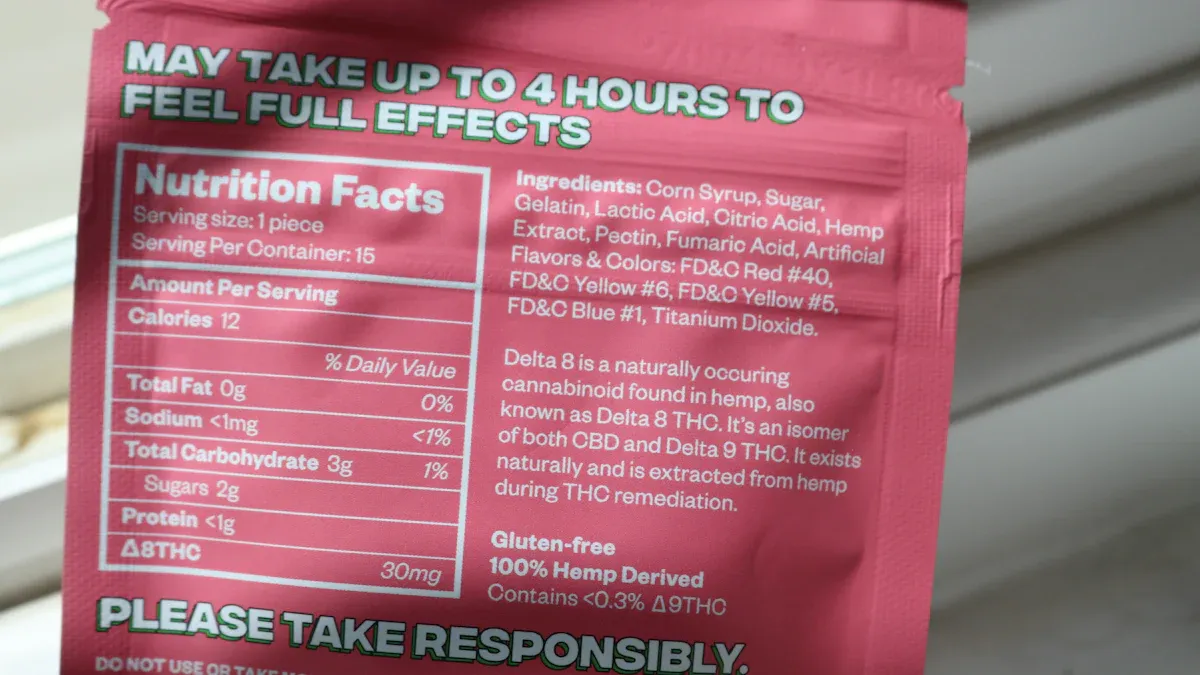
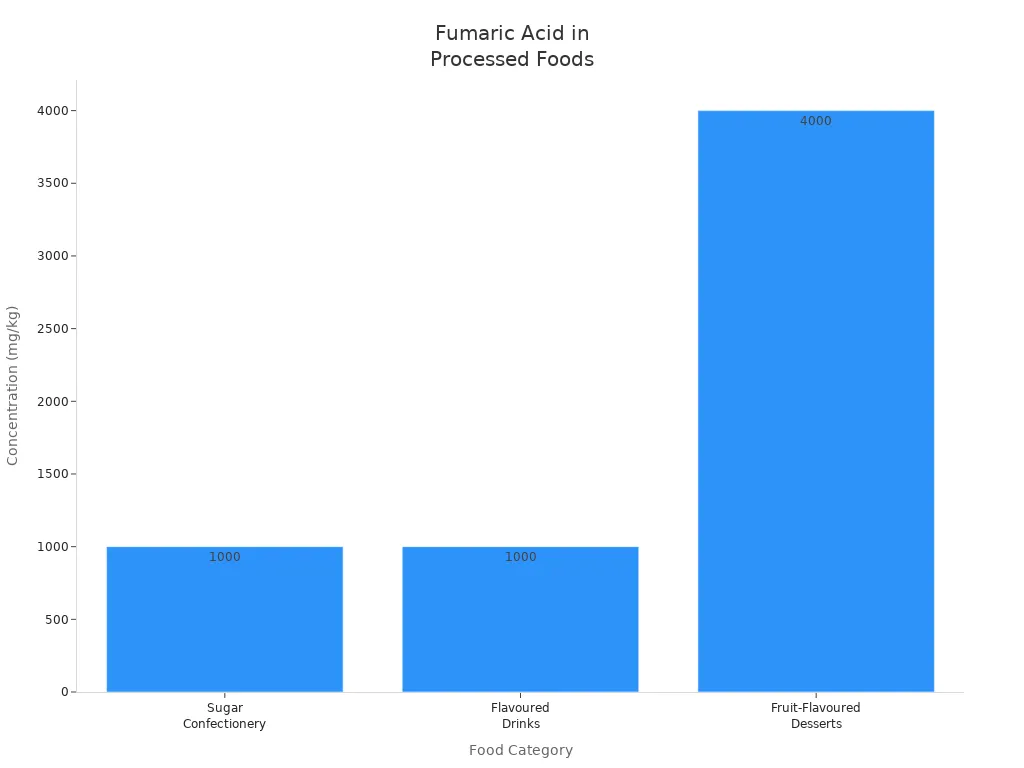
Many processed foods have fumaric acid. Candy, flavored drinks, and fruit desserts use it for taste and shelf life. Soft drinks and juices use fumaric acid to keep pH stable. Dairy foods like chocolate milk and eggnog may have fumaric acid. Processed cheese and sausage casings can also include fumaric acid.
| Processed Food Category | Typical Concentration (mg/kg) | Notes |
|---|---|---|
| Sugar Confectionery | 1000 | Maximum level in the EU |
| Flavoured Drinks | 1000 | Maximum level in the EU |
| Fruit-Flavoured Desserts | 4000 | Maximum level in the EU |
| Soft Drinks and Fruit Juices | 300-600 | Concentration range for pH stabilization |
| Dairy Products | N/A | Used for flavor improvement |
| Processed Cheese | N/A | Contains fumaric acid for stabilization |
| Edible Casings of Sausages | N/A | May be added for preservation |
Fumaric acid as a preservative and acidulant
Fumaric acid helps keep food safe and fresh. It lowers pH and stops bacteria from growing. This makes food last longer. Fumaric acid breaks down easily and does not soak up water. It keeps powders dry and stops clumps. Fumaric acid controls pH better than citric or malic acid. It also fights germs more strongly. Food makers like fumaric acid because it works in many foods and keeps them safe.
| Functionality | Fumaric Acid | Other Additives (e.g., Citric, Malic) |
|---|---|---|
| Role | Preservative & Acidulant | Varies (often just acidulants) |
| pH Control | Lowers pH effectively to inhibit growth | May not lower pH sufficiently |
| Microbial Inhibition | Effective against spoilage bacteria | Varies in effectiveness |
| Shelf Life Extension | Extends shelf life significantly | Limited effectiveness at higher pH |
| Natural Properties | Breaks down easily, non-hygroscopic | Varies (some may be synthetic) |
Tip: Fumaric acid makes food taste better and last longer. This is why many companies use it.
Is fumaric acid safe for consumption?
Scientific consensus on fumaric acid safety
Big health groups have looked at fumaric acid for years. They studied how it affects healthy people and those with health problems. Many tests show fumaric acid is safe if you use it right. In Europe, doctors use fumaric acid esters to treat psoriasis first. Scientists say it is safe for people with skin issues in short-term studies.
| Study Title | Findings |
|---|---|
| Safety, Tolerability, and Pharmacokinetics of ALKS 8700 | Shows safety in healthy subjects for a new therapy related to fumaric acid. |
| Short-term Safety of Dimethyl Fumarate for Psoriasis in Korea | Finds good short-term safety for people with psoriasis. |
| Oral fumaric acid esters for psoriasis | European guidelines recommend fumaric acid esters as first-line agents. |
Note: Experts say fumaric acid is safe for most people in food and medicine.
Regulatory approval and intake guidelines
Food safety groups all over the world have checked fumaric acid. The FDA says it is “Generally Recognized As Safe” for food. The EFSA does not set a limit because normal food levels are safe. JECFA also says fumaric acid is safe for people to eat.
| Agency | Status |
|---|---|
| FDA (USA) | GRAS status for food use |
| EFSA (EU) | No specified ADI (safe at typical levels) |
| JECFA (WHO/FAO) | Confirmed safety in human consumption |
People can trust food makers to follow these rules. Regulators check foods so they do not have too much fumaric acid.
Typical levels found in foods
Food makers use small amounts of fumaric acid. Most foods have less than 1000 milligrams per kilogram. Drinks and candy have even less. These amounts help food taste good and stay fresh. Scientists say these levels are safe for kids and adults.
- Soft drinks: 300-600 mg/kg
- Sugar confectionery: up to 1000 mg/kg
- Fruit-flavored desserts: up to 4000 mg/kg
Tip: Eating foods with normal fumaric acid levels is safe for healthy people.
Health risks and side effects of fumaric acid

Potential risks and sensitivities
Most people can eat foods with fumaric acid safely. A few people may have mild problems if they eat a lot or use it as medicine. Common problems are stomach pain, feeling sick, or diarrhea. Sometimes, people’s skin or face gets red and feels hot. This is called flushing. Rarely, doctors see changes in blood, like fewer white blood cells or more of some cells. These changes usually stop when the person stops using fumaric acid.
Note: Most side effects happen with high medical doses, not from normal food.
Allergies and who should be cautious
Some people need to be extra careful. Kids and people with eczema or asthma may react more. Their skin might itch, or they may have stomach problems. People who have had allergies to food additives should watch for new symptoms.
| Symptom | Description |
|---|---|
| Flushing | Face or skin turns red and feels hot |
| Gastrointestinal | Stomach pain, nausea, vomiting, or diarrhea |
| Pruritus | Skin feels itchy |
- Children
- People with eczema or asthma
Effects of excessive fumaric acid intake
Eating too much fumaric acid can cause bigger problems. High amounts may upset your stomach or cause vomiting and diarrhea. Rarely, doctors see changes in the liver or kidneys. These problems go away when you stop using fumaric acid. Some people have fewer white blood cells, which makes it harder to fight germs. These effects are rare and usually only happen with very high doses, not from eating regular foods.
| Evidence Type | Description |
|---|---|
| Safety Profile | Fumaric acid is part of the body’s metabolism. No serious long-term problems happen when people eat normal food amounts. |
| Side Effects | Kidney and liver changes, and changes in white blood cells, happen with high doses. These changes go away after stopping use. |
Tip: Eating foods with normal amounts is safe for most people. Problems usually only happen with very high doses.
Benefits of fumaric acid in food and beyond
How fumaric acid preserves and enhances food
Fumaric acid helps food stay fresh and safe. It stops bacteria from growing. This makes food last longer. Food makers use it to make candies and snacks taste sour. It helps drinks taste tart too. Fumaric acid controls pH in baked goods and dairy. This gives food the right texture. It is stronger than other acids. Companies need less of it, so they save money.
- Stops bacteria and mold from growing
- Adds a sour taste to candies and drinks
- Helps baked goods and dairy products keep their texture
- Prevents clumping in powdered foods
| Benefit | Explanation |
|---|---|
| Lowers pH | Makes preservatives work better |
| Antimicrobial effects | Protects food from spoilage |
| Enhances flavor profiles | Improves taste, especially in sour candies |
| Prevents moisture absorption | Keeps powders dry and free-flowing |
Tip: Fumaric acid helps food taste good and last longer.
Fumaric acid’s role in animal nutrition
Farmers use fumaric acid to make animal feed better. It helps animals grow strong and healthy. Studies show piglets grow faster with fumaric acid in their food. They use their food better too. Fumaric acid makes feed last longer and taste better. In sheep and goats, it lowers methane. This helps the environment.
- Improves feed quality and shelf life
- Helps piglets grow faster and use feed better
- Reduces methane emissions in some animals
| Study | Findings |
|---|---|
| Effect on ruminant methane and fatty acids (meta-analysis) | Lowers methane in sheep and goats; less effect in cattle |
Industrial and personal care applications
Fumaric acid is used in many industries. In cosmetics, it keeps products safe for skin. It works as an antioxidant in creams and lotions. Factories use it to make strong plastics and coatings. Textile and leather makers use it to keep colors bright. It helps lower pollution. In medicine, it helps make drugs for anemia and asthma.
| Application Area | Advantages |
|---|---|
| Foods and Beverages | Keeps food safe, tasty, and fresh |
| Cosmetics and Personal Care | Protects skin, keeps products stable |
| Industrial Manufacturing | Makes strong, weather-resistant materials |
| Textile and Leather Processing | Improves color and lowers environmental impact |
| Pharmaceuticals | Used in medicines for several health conditions |
Note: NORBIDAR’s fumaric acid is high quality and safe for all these uses.
How to use fumaric acid properly?
Who should use fumaric acid with caution
Some people need to be careful with fumaric acid in food. Food makers must also pay attention to how much they add. Certain groups can react more to this ingredient. These groups are:
- Children
- Pregnant women
- People with sensitive stomachs
People in these groups might get a mild stomach ache, allergies, or other health issues. They should look at food labels and ask a doctor if they worry. Food makers should follow safety rules to keep these people safe.
How to ensure proper usage in food products
Food companies have strict rules for adding fumaric acid. They measure the amount to make sure it is safe. Most foods have only a little, which is much less than the limit from health groups. Companies test their foods to check they are safe.
| Step | Purpose |
|---|---|
| Measure exact amounts | Stops too much fumaric acid |
| Follow legal guidelines | Meets FDA and EFSA safety rules |
| Test finished products | Makes sure levels are safe for people |
Food makers should always use good quality fumaric acid, like NORBIDAR’s, to keep food safe and the same every time.
Practical tips for safe consumption
Most people can eat foods with fumaric acid without trouble. To stay safe, they can do a few easy things:
- Check ingredient labels on packaged foods.
- Eat many different kinds of foods.
- Do not eat too many processed snacks or candies.
- Watch for signs like a mild stomach ache, itching, or feeling sick.
Tip: If someone feels bad after eating foods with fumaric acid, they should stop eating those foods and talk to a doctor.
By doing these things, people can enjoy the good parts of fumaric acid in food and stay healthy.
Fumaric acid makes food taste better and keeps it fresh. It also helps control how sour or acidic food is. Scientists and groups like the FDA say it is safe if you do not use too much. NORBIDAR checks its fumaric acid very carefully. It is trusted in many countries.
| Feature | NORBIDAR | Competitors |
|---|---|---|
| Safety Certification | FDA GRAS, EFSA E297 | Varies |
| Purity Control | Strictly controlled | May vary |
| Product Testing | Meets food safety rules | Not always specified |
| Global Acceptance | Approved worldwide | Limited |
Tip: Always look at food labels. Eat different foods to stay healthy.
FAQ
What is fumaric acid made from?
Factories make fumaric acid from glucose with special fungi. Some plants, like fumitory and mushrooms, have a little fumaric acid too.
Is fumaric acid vegan and gluten-free?
Fumaric acid does not come from animals or wheat. It works for vegan and gluten-free diets. Food makers add it to many plant-based and gluten-free foods.
Can children eat foods with fumaric acid?
Kids can eat foods with fumaric acid in small amounts. Health experts say it is safe in candy, drinks, and snacks.
Does fumaric acid change the taste of food?
Fumaric acid gives food a sour, tart taste. It helps balance sweetness in candy and drinks. Bakers use it to make baked goods taste and feel better.
How does NORBIDAR ensure fumaric acid quality?
NORBIDAR checks every batch to make sure it is pure and safe. The company follows strict food safety rules. People trust NORBIDAR because their fumaric acid is high quality.