Is fumaric acid harmful to humans? In most cases, fumaric acid is not harmful to humans when it is used properly. Scientists and safety organizations generally consider it safe for use in foods, supplements, and some medicines. For everyday consumers, eating foods or taking supplements that contain fumaric acid typically does not cause health problems. However, concentrated or pure forms of fumaric acid should be handled carefully because they may irritate the skin, eyes, or respiratory system.
Key Takeaways
- Generally safe for humans: Fumaric acid is considered safe when used properly in food and other products.
- Approved by health authorities: Organizations such as the FDA and EFSA recognize it as a safe food additive.
- Common in everyday foods: Many people consume fumaric acid in products like bread and tortillas without problems.
- Handle concentrated forms carefully: Pure or strong fumaric acid can irritate the skin and eyes.
- Follow safety guidelines: Proper handling and protective measures are recommended when working with the chemical.
- Check labels if sensitive: People with allergies or sensitivities to additives should look for fumaric acid on ingredient lists.
- Used in medicine: Fumaric acid derivatives are used to help treat conditions such as psoriasis and multiple sclerosis.
- Usually mild side effects: Medical uses typically cause few side effects for most patients.
What is fumaric acid?
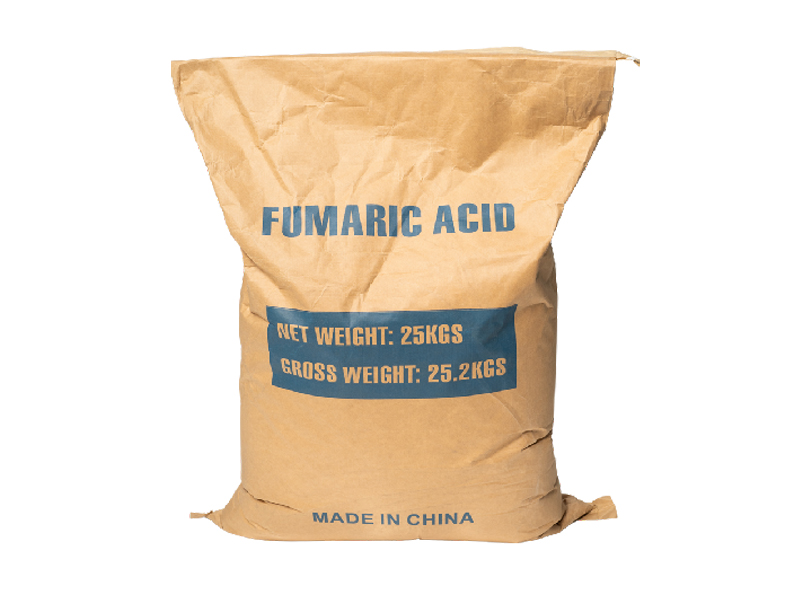
Fumaric acid comes from many plants. Scientists call it an organic acid. It looks like white crystals. It has no smell and tastes a little sour. People wonder if fumaric acid is harmful to humans. The answer depends on how much and how it is used.
Here is a table with facts about fumaric acid:
| Property | Description |
|---|---|
| Chemical Name | Fumaric acid (C4H4O4) |
| Structure | Two acid carbonyl groups and a trans-double bond |
| Molecular Weight | 116.07 |
| Appearance | White solid crystal with no odor and a very slight acid taste |
| Density | 1.625 |
| Melting Point | 286°C |
| Natural Occurrence | Found in many plants, including the genus Fumaria |
| Applications in Foods | Used as an acidulant in various food products like tortillas, breads, and wine |
People eat small amounts of fumaric acid in foods. It is found in bread, tortillas, and wine.
Most health groups like the FDA and EFSA say it is safe. They call it “generally recognized as safe” for food use. This means eating foods with fumaric acid is not harmful to humans if used normally.
Note: Eating or touching lots of pure fumaric acid can be dangerous. Strong forms may cause irritation or harm if not handled right.
Groups like the FDA, EPA, and EFSA make strict rules for fumaric acid. Companies must test products for purity and safety. Food-grade fumaric acid must be very pure. These rules help keep people safe.
| Aspect | Description |
|---|---|
| Safety Recognition | Fumaric acid is recognized as safe by major regulatory authorities worldwide, including the FDA and EFSA. |
| Purity Standards | Food-grade fumaric acid meets strict purity criteria, controlling heavy metals and impurities. |
| Testing Protocols | Products are rigorously tested to ensure compliance with food safety regulations, ensuring safety and quality for manufacturers. |
NORBIDAR makes high-quality fumaric acid. Their product is tested and follows all safety rules. NORBIDAR’s fumaric acid is safe for food, animal feed, and other uses when used as directed.
Key points to consider regarding fumaric acid

Food Safety
Fumaric acid is found in foods like bread and drinks. People eat small amounts every day. Most do not have any problems. Groups like the FDA and EFSA set strict rules for food. These rules keep people safe. Fumaric acid can get into the body by eating, touching, or breathing. Normal amounts are not risky. Always follow label instructions. Do not eat too much.
Tip: Check food labels for additives if you have allergies.
Side Effects
Most people handle fumaric acid well. Some may get side effects with high doses or direct contact. These include:
- Skin, eye, or lung irritation if touched or breathed in
- Allergic reactions like rashes, itching, or trouble breathing (rare)
- Stomach problems such as nausea or diarrhea if too much is eaten
The table shows possible side effects from high doses:
| Side Effect | Description |
|---|---|
| Gastrointestinal symptoms | Nausea, diarrhea, and stomach pain may happen. Sometimes people stop treatment because of this. |
| Skin flushing | Some feel hot or see redness on their face. |
| Hematological changes | Blood tests may show lower white blood cells. |
| Proteinuria | Kidney issues can show up in urine tests. |
| Liver enzyme elevation | Liver tests may rise, but this does not last long. |
Sensitive people may get headaches, diarrhea, or nausea even with small amounts. It is not clear how often this happens. Most people do not have problems.
Medical Use
Doctors use fumaric acid esters for some health conditions. In Europe, these medicines help adults with psoriasis. Fumaderm® has dimethyl fumarate and is used safely for years. Studies show most patients do not get serious side effects. Some research shows benefits for people with multiple sclerosis. These medicines lower inflammation and protect nerves.
Regulatory Status
Agencies set rules for using fumaric acid in food and medicine. The United States allows up to 0.1% by weight in food. The European Union follows EFSA guidelines for safe use. The World Health Organization says 0-6 mg per kilogram of body weight is safe. These limits help answer: is fumaric acid harmful to humans? If used within these rules, it is safe.
Applications of fumaric acid
Food, supplements, and animal feed
Fumaric acid is important in making food. Companies use it to keep food fresh and safe. It lowers pH in baked goods and meats. This stops bacteria from growing. Snack makers add it to chips and drinks for a sour taste. Bakers use it to help bread and cakes rise. The table shows how industries use fumaric acid:
| Application Area | Specific Uses | Description |
|---|---|---|
| Food Industry | Acidity Regulator | Lowers pH to prevent bacterial growth in foods like baked goods and meats. |
| Flavor Enhancer | Adds a mild sourness to snacks and beverages. | |
| Leavening Agent | Reacts with baking soda to help baked goods rise. | |
| Animal Feed | Preservative | Prevents mold growth in livestock feed. |
| Acidifier | Improves digestion in animals. |
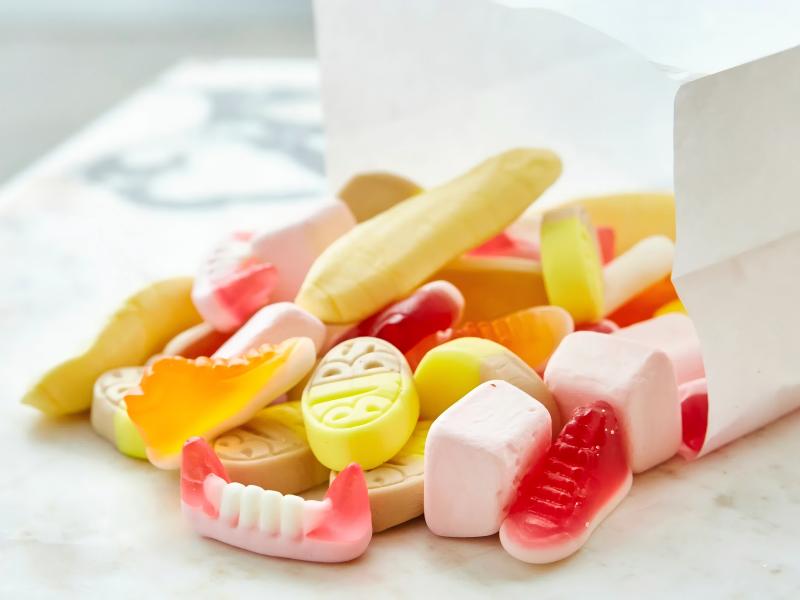
People eat foods with fumaric acid every day. Most fumaric acid is used in food and drinks. Safety groups like the FDA and EFSA say it is safe. They set rules for how much can be added. These rules help answer if fumaric acid is harmful. If used as directed, it is not.
NORBIDAR’s fumaric acid is very pure. The company uses special methods to make each batch safe. This protects people and animals who eat foods or feeds with fumaric acid.
Industrial and cosmetic applications
Fumaric acid is used outside of food too. Factories use it to make plastics and coatings stronger. Cosmetic companies add fumaric acid to skin care products. It helps gently exfoliate and brighten skin. The table shows grades and standards for different uses:
| Application | Recommended Grade | Minimum Purity | Key Certifications | Special Considerations |
|---|---|---|---|---|
| Food & Beverage | Food-Grade | ≥99% | FCC, FDA, ISO 22000 | Approved for human consumption |
| Pharmaceuticals | Pharmaceutical-Grade | ≥99.5% | USP/NF, BP, GMP | Full traceability required |
| Cosmetics | Cosmetic-Grade | ≥98.5% | ISO 22716, EC No. 618-427-1 | Skin compatibility, low dust formula |
Companies must use the right grade for each use. NORBIDAR’s product meets these standards. The company tests for purity and safety before shipping. This makes sure people can use products with fumaric acid safely.
Note: Companies keep fumaric acid in closed containers. Workers are trained to handle it safely. Labels and safety sheets help stop accidents.
Most experts say fumaric acid is safe for people. It is not harmful in foods or supplements. Pure fumaric acid can be dangerous if not handled right. Always check labels before using products. Do not touch pure powder with bare hands. Wear gloves, glasses, and masks to stay safe. If you worry, ask a doctor for advice.
FAQ
Is fumaric acid safe to eat in food?
Fumaric acid is safe to eat if used the right way. Groups like the FDA and EFSA say it is okay for people. Most people do not have problems eating foods with it.
Can fumaric acid cause allergies?
Some people can have allergic reactions. These may be rashes or itchy skin. People who are sensitive should read labels and talk to a doctor if worried.
What should workers do when handling pure fumaric acid?
Workers need to wear gloves, masks, and safety glasses. Companies teach workers how to stay safe. Storing it the right way stops accidents. Safety gear keeps skin, eyes, and lungs safe.
Does fumaric acid have medical uses?
Doctors use fumaric acid esters to treat psoriasis and multiple sclerosis. These medicines lower swelling and help protect nerves. Most people do not have bad side effects.