
Fumaric acid is widely recognized as safe in food by leading experts and regulatory agencies. The FDA, EFSA, and JECFA all confirm that fumaric acid is safe for food use. NORBIDAR, a trusted manufacturer, supplies high-quality fumaric acid to food and other industries worldwide. The food industry relies on fumaric acid to enhance flavor and extend shelf life in a variety of products.
Many processed foods contain fumaric acid, and people frequently ask, “is fumaric acid safe in food?” Regulatory organizations consistently state that fumaric acid is safe for consumption.
Key Takeaways
- Safety approved: Fumaric acid is considered safe for food use by both the FDA and EFSA.
- Improves food: It enhances flavor and helps food last longer.
- Forms: Both natural and synthetic fumaric acid are safe and have the same chemical structure.
- Check labels: People with allergies or sensitivities should always read food labels for additives.
- Versatile uses: Fumaric acid is used in multiple industries, including food, medicine, and personal care.
What is fumaric acid
Sources and properties
Fumaric acid is found in many fruits and vegetables. You can find it in apples, mushrooms, and spinach. Factories can also make fumaric acid in safe ways. Both natural and factory-made fumaric acid are the same. They have the same chemical structure and are both safe. People sometimes wonder if fumaric acid is safe in food. Experts say it is safe when used the right way.
Fumaric acid has special features that help in food and other things:
- It gives foods a strong sour taste that is refreshing.
- It helps keep food fresh by stopping bad bacteria from growing.
- It is stronger than many other acids, so less is needed.
- In baked goods, it helps dough rise and makes texture better.
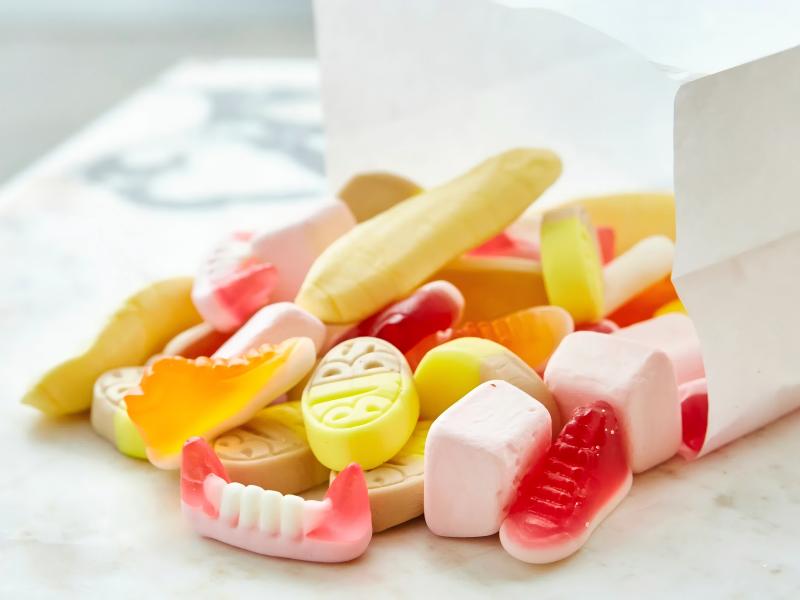
- In candy, it gives a sour taste that lasts and does not make it sticky.
- In drinks and dairy, it keeps the pH steady for good flavor and texture.
| Aspect | Natural Fumaric Acid | Synthetic Fumaric Acid |
|---|---|---|
| Chemical Structure | C4H4O4 | C4H4O4 |
| Safety Profile | GRAS | GRAS |
| Production Method | Plants, fungi | Factory |
| Applications | Food, beverages | Food, industry |
Uses in food and other industries
NORBIDAR is a top company that makes high-quality fumaric acid. They send this ingredient to food, drink, animal feed, and medicine companies all over the world. NORBIDAR’s fumaric acid is very pure and can be used in many ways.
Many businesses use fumaric acid for different things:
- Fumaric acid is used in the food industry: Used to control acidity, add flavor, and help baked goods rise in snacks, juices, and candy.
- Fumaric acid is used in animal nutrition: Put in animal feed to help digestion and keep it fresh.
- Fumaric acid is used in the pharmaceutical industry: Used in medicine for skin and nerves, and to keep tablets stable.
- Fumaric acid is used in industrial applications: Needed to make resins and plastics for coatings and fiberglass.
- Fumaric acid is used in personal care: Added to skin products for gentle scrubbing and calming effects.
Fumaric acid is useful and safe, so it is in many things people use every day.
Is fumaric acid safe in food
Regulatory approval and expert opinions
A lot of people wonder if fumaric acid is safe in food. Scientists and food safety groups have checked this for many years. They say fumaric acid is safe when used the right way. The FDA says fumaric acid is “generally recognized as safe” in food. The European Food Safety Authority, or EFSA, lets companies use fumaric acid as a food additive. EFSA also has strict rules for how much can be used. The FEEDAP Panel from EFSA says fumaric acid is safe for animals, people, and the environment.
Experts from many countries trust fumaric acid in food. They trust it because of lots of research and careful checks.
- The FDA says fumaric acid is safe for food.
- EFSA allows fumaric acid with clear rules.
- The FEEDAP Panel says fumaric acid is safe for animals and people.
- The World Health Organization, or WHO, supports using fumaric acid in food.
These groups have looked at many studies. They did not find any harm when people use the right amount. NORBIDAR follows these safety rules when making fumaric acid.
Acceptable intake and safety levels
Is fumaric acid safe to eat every day? Scientists have tested this in many ways. They checked how much fumaric acid people can eat safely. They also studied how it affects health over time.
Some clinical studies show fumaric acid esters help treat skin problems like psoriasis. These studies say patients are safe using it for a long time.
Food safety groups set the highest amount of fumaric acid allowed in foods. These limits keep people safe and make sure food is good to eat. The table below shows the most fumaric acid you can have in some foods:
| Food Category | Maximum Level (mg/kg) |
|---|---|
| Fruit-flavoured desserts | 4000 |
| Sugar confectionery | 1000 |
| Chewing gum | 2000 |
| Decorations, coatings and fillings | 1000 |
| Fillings and toppings for fine bakery ware | 2500 |
| Instant products for preparation of flavored teas | 1000 |
| Gel-like desserts, dry powdered dessert mixes | 1000 |
Is fumaric acid safe for everyone? Yes, as long as people follow the rules. Food safety groups change these rules if new research comes out. They want to keep food safe for all ages.
Tip: Always look at food labels for additives. Companies like NORBIDAR use safe amounts of fumaric acid to protect people.
Is fumaric acid safe in food? Experts say yes. Many years of research and strong rules show it is safe. People can eat foods with fumaric acid and not worry.
Risks and side effects of fumaric acid
Toxicity and overdose
Fumaric acid is safe for most people in food. It is safe when used at the right amount. Problems can happen if someone eats too much. People may get stomach pain, diarrhea, or feel sick. Some people might have trouble sleeping or feel tired. Rarely, there can be liver or heart problems. The table below shows what can happen if you take too much:
| Symptom/Health Outcome | Description |
|---|---|
| Allergic Reactions | Swelling of the face, lips, tongue, or throat; difficulty breathing; severe rash |
| Liver Issues | Jaundice, dark urine, severe abdominal pain |
| Cardiac Concerns | Chest pain, palpitations, shortness of breath |
| Insomnia | Difficulty sleeping |
| Rash | Rash needing medical advice |
Doctors say to follow food safety rules. This helps you avoid these problems. Most foods have safe amounts, so overdose does not happen often.
Allergies and sensitivities
Some people can have allergies to fumaric acid. Allergies can cause bad skin problems like eczema. Other reactions are burning, itching, or red skin. People with allergies should check food labels. The most common side effects are stomach pain, diarrhea, and feeling sick. Skin problems and infections are less common.
People with allergies should talk to a doctor before eating foods with fumaric acid.
Cancer and long-term effects
Scientists have checked if fumaric acid causes cancer or other problems. They found that fumaric acid is not very toxic. Some studies show it may help stop some tumors in animals. The table below shows what scientists found:
| Study Focus | Findings |
|---|---|
| Chemopreventive properties | Low acute and chronic toxicity; may inhibit tumorigenesis in animal models |
| Tumor formation | Does not significantly inhibit total tumor formation; may protect against malignant progression |
| Dietary effects | Inhibits lung and forestomach tumorigenesis in mice; inhibits liver cancer in rats |
Researchers still study if fumaric acid is safe for long-term use. Right now, studies show it does not cause cancer in people. Food safety groups say fumaric acid is safe if you use it the right way.
Special considerations
Children and infants
Children and babies need special care with food safety. Scientists have checked how fumaric acid affects young people. Doctors sometimes use fumaric acid esters to help kids with psoriasis. In one study, 14 kids ages 8 to 17 got this treatment. More than one-third of these kids saw their psoriasis go away. The treatment did not cause any serious problems. The table below shows what the study found:
| Evidence Type | Details |
|---|---|
| Treatment Use | Fumaric acid esters can help children with psoriasis. |
| Study Findings | 14 children treated; over one-third had complete resolution. |
| Safety Profile | No serious adverse effects reported. |
Parents should always read food labels. They should talk to a doctor if their child has allergies or health issues.
Pregnancy and breastfeeding
Pregnant women and moms who breastfeed often worry about food additives. Scientists have studied how fumaric acid affects moms and babies. Studies show babies born to moms who ate fumaric acid grew normally. Most babies were between the 70th and 95th percent for height and weight. Only one baby had a serious infection. Most moms breastfed for four to seven months. No relapses happened during pregnancy or the first six months after birth. The table below shows these results:
| Outcome | Result |
|---|---|
| Infant height and weight percentiles | 70th–95th percentile for height and weight. |
| Serious infections | Only 1 serious infection detected. |
| Breastfeeding | 22/26 mothers breastfed for 4–7 months. |
| Relapses during pregnancy | None observed during pregnancy and first 6 months post-delivery. |
| Relapses post-delivery | 2 relapses in the 6–12-month interval. |
| New T2 lesions | Detected in a few scans at 3, 12, and 24 months. |
| Conclusion | Infant birth and development matched the general population, even with DMF intake. |
Doctors say to follow rules for food additives when pregnant or breastfeeding.
Cumulative exposure
People eat many foods with additives every day. Fumaric acid is safe if used at the right amount. Food safety groups set limits to keep everyone safe. Eating too much over time can cause mild stomach pain or diarrhea. Most foods have only a little, so the risk is low. People should read labels and eat a balanced diet. Kids, pregnant women, and people with health problems should be extra careful.
- Fumaric acid does not stay in the body.
- Groups like the FDA and EFSA check how much people eat.
- Safe limits keep daily intake well below harmful levels.
Eating many different foods helps lower the risk of getting too much of any additive, including fumaric acid.
Most scientists and food safety groups say fumaric acid is safe in food. In the USA, it is called GRAS, which means it is safe to use. Fumaric acid helps food taste better and last longer.
- Fumaric acid stops bad bacteria in food.
- Most people can eat it with no trouble.
- People with allergies should always read the label.
Is fumaric acid safe in food? Experts say it is safe for most people.
FAQ
What foods contain fumaric acid?
Fumaric acid is in many foods. You can find it in fruit juices, soft drinks, baked goods, candy, and snacks. Companies use it to make food taste sour. It also helps keep food fresh.
Is fumaric acid safe for people with allergies?
Most people do not have problems with fumaric acid. If you have allergies or sensitive skin, check food labels. Doctors say to avoid foods with fumaric acid if you get a reaction.
Can children eat foods with fumaric acid?
Kids can eat foods with fumaric acid safely. Groups that make food rules set limits for kids’ foods. Parents should look at labels and ask a doctor if they worry.
Does fumaric acid affect pregnancy or breastfeeding?
Studies show fumaric acid does not hurt moms or babies. Babies grow as expected. Doctors say to follow the amount you should eat.
How does fumaric acid help preserve food?
Fumaric acid makes food more acidic. This stops bad bacteria from growing. Food stays good longer and tastes better.