

Scientists and doctors know that fumaric acid has a wide range of uses. Researchers have discovered that its ester compounds have anti-inflammatory properties. Dimethyl fumarate helps treat psoriasis and multiple sclerosis. NORBIDAR manufactures fumaric acid for various industries. The following table lists the uses of fumaric acid:
| Application Sector | Description |
|---|---|
| Food and Beverage | Used to add acidity and flavor to beverages, juices, and confectionery. |
| Pharmaceuticals | Used in the production of antihistamines and antimalarial drugs; also used to treat psoriasis. |
| Polymer Production | A key raw material for unsaturated polyester resins used in automotive and construction industries. |
| Textile Industry | Facilitates better dye adhesion and maintains vibrant fabric colors. |
| Paper Manufacturing | As a component of paper sizing agents, making the paper surface more suitable for printing. |
| Printer Toner Production | Helps in the production of fine, uniform powder for laser printers and copiers. |
| Renewable Energy Production | New production methods are being researched, such as those utilizing microorganisms. |
Key Takeaways
- Fumarate esters, such as dimethyl fumarate, are more effective at reducing swelling than fumarate alone.
- Medical fumarate is used as an adjunct therapy for psoriasis and multiple sclerosis. Its mechanism of action is through suppression of the immune system.
- Fumarate helps keep food fresh and improves its taste. Therefore, it has wide applications in the food industry.
- Safety is paramount. People should be aware of potential side effects and consult a doctor before use.
- Scientists are still researching fumarate and its esters. They hope to find more ways to utilize these substances to treat various diseases that cause swelling.
Fumaric Acid Overview

Uses In Food And Industry
Fumarate is widely used in many foods and products. Its chemical structure gives it strong heat resistance. This helps extend the shelf life of products and maintain their good condition at high temperatures. Food manufacturers use fumarate to keep food fresh and delicious. The following table lists the functions of fumaric acid for foods:
| Function | Description |
|---|---|
| Acidity Regulator | Maintains stable pH levels, helps improve taste, and ensures food safety. |
| Flavor Enhancer | Makes fruity and tart foods more delicious. |
| Preservative | Inhibits mold and bacterial growth, extending shelf life. |
| Texture Improvement | Helps baked goods and confectionery maintain their shape and texture. |
| Low Hygroscopicity | Prevents products from absorbing moisture, thus keeping them fresh. |
| Cost-Effective Acid Source | Works well in small amounts, so it saves money. |
Fumaric acid can form salts and is heat-resistant. This makes it an ideal material for manufacturing plastics, resins, and coatings.
Role In Animal Nutrition
Farmers use fumaric acid to help animals grow and stay healthy. It lowers the pH of the gut, promoting the growth of beneficial bacteria and inhibiting the growth of harmful bacteria. Pigs, chickens, and fish fed fumaric acid grow better and have higher protein utilization rates. Cattle produce less methane, thus using more energy for growth. Chickens grow heavier with less feed and have fewer stomach problems.
Applications In Personal Care And Pharmaceuticals
Fumaric acid plays an important role in both personal care and pharmaceuticals. In cosmetics, it helps maintain the appropriate pH level of products and protects the skin. Hair care products utilize fumaric acid to improve hair quality and enhance the efficacy of other ingredients. Bath products produce more lather and have longer-lasting color. In pharmaceuticals, fumaric acid helps maintain the stability and efficacy of drugs. Some medications use fumaric acid to treat anemia, high blood pressure, and allergies. Certain esters, such as dimethyl fumarate, can help control autoimmune diseases by reducing inflammation.
Fumaric Acid Anti-Inflammatory Evidence
Fumaric Acid Vs. Esters
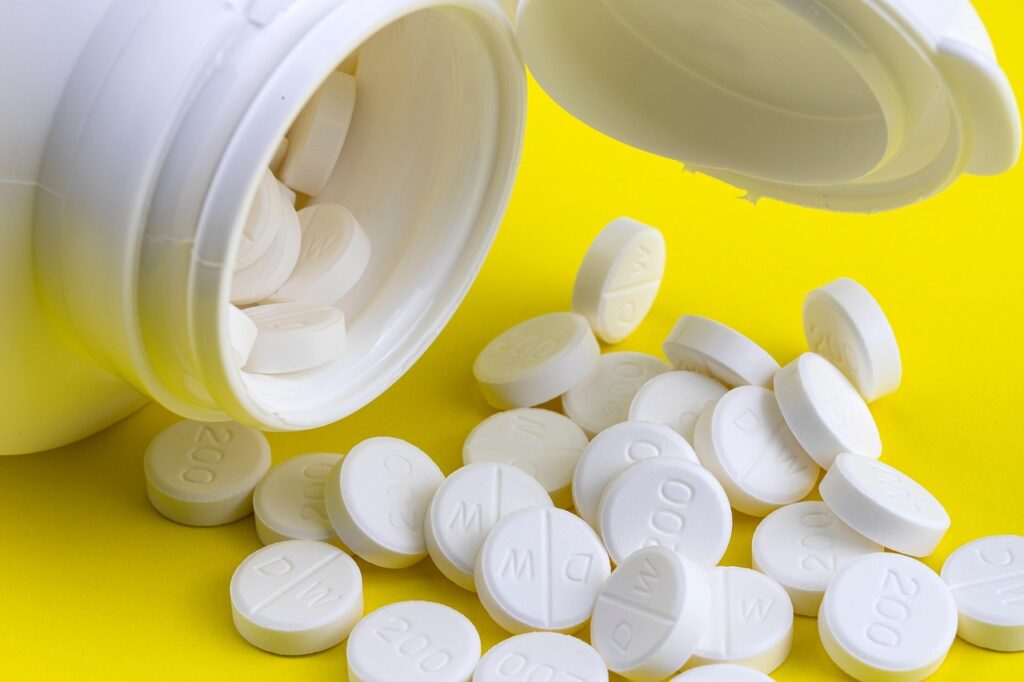
Scientists have studied the mechanisms of action of fumaric acid and its esters. For example, esters such as dimethyl fumarate are more effective at suppressing inflammation than fumaric acid. Dimethyl fumarate is more readily absorbed by the body, helping to treat diseases caused by inflammation. Fumaric acid has a lower absorption rate in the intestines, thus its efficacy against inflammation is less. Researchers have found that dimethyl fumarate can suppress inflammation and improve the health of animals.
One study tested fumarate compounds, particularly dimethyl fumarate, to see if they could suppress inflammation and promote metabolism in animals. Scientists treated specific laboratory mice with fumarate compounds. The results showed that these mice had reduced inflammation levels, lower levels of IL-6 and TNF-α, and improved stress levels and metabolism.
Effects In Psoriasis And Multiple Sclerosis
Doctors commonly use fumarate compounds, especially dimethyl fumarate, to treat psoriasis and multiple sclerosis. These diseases are caused by the immune system attacking its own tissues. Dimethyl fumarate can suppress the immune system and reduce disease flare-ups. Multiple studies have shown its significant effectiveness in addressing these issues.
- This review analyzed 19 articles, including clinical trials, cohort studies, and case studies.
- Results showed that fumarate esters are safe and effective for treating moderate to severe psoriasis in adults.
- Gastric side effects may occur, but careful use can mitigate them.
- Physicians should regularly check blood to ensure patient safety.
Researchers also investigated the use of fumarate esters in patients with multiple sclerosis. Results showed a reduction in brain lesions and symptom relapses. The following table lists some key findings:
| Study Type | Findings | Implications |
|---|---|---|
| Clinical Study (Phase II) | After 24 weeks, BG-12 lowered brain lesions compared to placebo. | Shows fumaric acid esters help reduce MS lesions. |
| Phase III Trials | Lowered relapse rate by up to 53% and brain lesions by up to 90%. | Proves fumaric acid esters work well for MS. |
| Animal Studies | Lowered microglia and macrophages in inflamed areas in EAE model. | Suggests fumaric acid esters protect nerves. |
Doctors found dimethyl fumarate changes how immune cells act. It can make some immune cells die and stop the body from making too many chemicals that cause inflammation. This protects the brain and nerves in people with multiple sclerosis.
- DMF received approval from the EMA and FDA in March 2013.
- BG-12 is currently a first-line treatment for relapsing-remitting multiple sclerosis (RRMS).
- No serious side effects have been observed, therefore its safety profile is high.
Research In Metabolic And Neuroinflammatory Disorders
Fumarate esters may help treat other inflammation-related diseases. Scientists have discovered that these compounds help boost metabolism and protect nerve cells. They activate the Nrf2 pathway, helping the body fight stress and reduce inflammation. This pathway helps clear harmful substances and inhibit chemicals that cause swelling and pain.
Studies have shown that fumaric acid, especially dimethyl fumarate, has potent anti-inflammatory effects, particularly in multiple sclerosis. It activates the Nrf2 pathway, helping to control stress and immune responses. This can reduce inflammation and protect nerves by generating detoxification enzymes and inhibiting pro-inflammatory cytokines.
Scientists are continuing to investigate how fumaric acid and its esters can help treat other diseases. Currently, the strongest evidence comes from studies of the esters, rather than fumaric acid alone. Future research may uncover new uses for these compounds.
Fumaric Acid Mechanisms Of Action
NF-κB And p38 MAPK Pathways
Cells utilize specific pathways to control swelling and pain. Two major pathways are NF-κB and p38 MAPK. When these pathways are activated, the body produces chemicals that cause inflammation. Dimethyl fumarate (DMF) is a fumarate that can block the NF-κB pathway.
| Mechanism | Description |
|---|---|
| NF-κB Inhibition | Stops dendritic cells from maturing and lowers inflammation signals. |
| p38 MAPK Modulation | Helps control the release of inflammatory proteins in immune cells. |
Nrf2 Antioxidant Activation
The Nrf2 pathway helps protect cells from damage. When it is activated, the body produces antioxidants. These antioxidants fight harmful substances and reduce cellular stress. Studies have shown that fumarate compounds, such as DMF and MMF, can activate the Nrf2 pathway. They do this by altering some proteins that inhibit Nrf2. When Nrf2 is activated, it enters the cellular center and helps produce enzymes that protect cells. This effectively protects nerves and reduces swelling in the brain and nerves.
Scientists have found that using fumarate to activate the Nrf2 pathway can protect nerve cells. This helps the body fight stress and reduces the risk of damage caused by swelling.
Immune Modulation
Fumarate esters can also alter the way the immune system functions. They can induce the death of certain immune cells if they become overactive. This helps prevent the immune system from mistakenly attacking itself. The table below shows the effects of these esters on the immune system in different studies.
| Evidence Type | Findings |
|---|---|
| Clinical Study | Lowered the number of certain immune cells (CD4+ and CD8+ T-lymphocytes) by causing cell death. |
| In Vitro Study | Blocked the NF-κB pathway in human cells, reducing the release of inflammatory proteins. |
| Animal Study | Protected nerve fibers and myelin in mice by turning on antioxidant pathways. |
Fumarate esters can also inhibit the activation of the NLRP3 inflammasome. The NLRP3 inflammasome is a component of the immune system and contributes to inflammation. These esters help maintain the balance of the immune system and reduce the risk of severe inflammation by acting on multiple signaling pathways.
Fumaric Acid Limitations And Safety
Gaps In Research
Scientists have looked at fumaric acid and its esters for anti-inflammatory effects. But there are still many things they do not know. Fumaric acid does not get into the body very well. It also breaks down fast after someone takes it. This makes it hard to know how much gets to the right cells. Most studies look at esters like dimethyl fumarate, not just fumaric acid.
Researchers found some things we still need to learn:
- Fumaric acid does not get into the body or cells easily.
- Scientists do not fully know how fumaric acid works in the body.
- Most research is done on cells or animals, not people.
- We need more studies on myeloid cells and microglia in diseases like multiple sclerosis.
- Scientists are not sure if lab results will be the same in real patients.
- We do not know enough about how fumaric acid esters move in the body or work in living things.
- More tests are needed to see how fumarates work in different diseases and at different times.
Note: Future research should investigate the mechanism of action of fumarate in treating conditions such as severe pain and cardiomyopathy. Scientists also need to try different routes of fumarate administration to observe how the timing and dosage affect efficacy.
Safety And Side Effects
Fumarate is found in many products, but safety remains paramount. Those who use or come into contact with fumarate should be aware of its risks. The table below lists some safety issues and side effects:
| Safety Concern/Side Effect | Description |
|---|---|
| Eye irritant | It can hurt your eyes if you touch it. |
| Skin sensitiser | Nickel in it can make your skin react. |
| Respiratory sensitiser | Nickel can also make it hard to breathe for some people. |
| Occupational exposure limit | You should not breathe in more than 0.01 mg/m³ (respirable) or 0.1 mg/m³ (inhalable). |
| Irritant to respiratory tract | Breathing it in can bother your nose and throat. |
| Safety for aquatic animals | We do not know if it is safe for fish and other water animals. |
When using fumaric acid, appropriate protective gear should be worn. Doctors and scientists say more research is needed to understand its long-term effects. They also hope to develop rules for the safe use of fumaric acid in the food, pharmaceutical, and industrial sectors.
Fumaric acid helps reduce swelling. It is most effective in extracts from herbs such as corydalis. Its esters, such as dimethyl fumarate, are even more potent. Doctors use these esters to treat psoriasis and multiple sclerosis. Here are some important things to remember:
- Fumarate esters are more effective at reducing inflammation than fumaric acid itself.
- Experts recommend using it with caution and regular medical checkups.
- Stomach upset and skin flushing are common side effects.
Always ask a healthcare professional before using fumaric acid for swelling.
FAQ
What are the uses of fumaric acid?
Fumaric acid is found in many substances, such as food, animal feed, skincare products, and pharmaceuticals. It helps preserve food, promotes animal growth, enhances the efficacy of skincare products, and is also an ingredient in some medications.
Is fumaric acid edible?
Food manufacturers add fumaric acid to food products. The U.S. Food and Drug Administration (FDA) states that small amounts of fumaric acid are safe to consume, but excessive consumption should be avoided. Compliance with relevant regulations is crucial.
How does fumaric acid help reduce inflammation?
Fumarate esters, such as dimethyl fumarate, can reduce swelling. They achieve this by blocking cell signaling. Doctors use these esters to treat conditions such as psoriasis and multiple sclerosis.
Can people use fumaric acid for skincare?
Yes, some skincare products contain fumaric acid. It helps remove dead skin cells, brighten skin tone, and soothe mild redness. People with sensitive skin often choose these products.
What are the common side effects of fumarate esters?
Most people will experience mild stomach pain or skin redness. Doctors recommend regular checkups to monitor for any unusual problems.