
Fumaric acid exists naturally in nature and can also be industrially synthesized. It naturally occurs in a variety of fruits, vegetables, fungi and organisms, including apples, pears, papayas, plums, citrus fruits, radishes, pumpkins, sour cherries, as well as certain mushrooms and lichens. The human body also produces fumaric acid as part of normal metabolic processes.
Key Takeaways
- Fumaric acid naturally occurs in common fruits, plants, fungi and is endogenously produced in human metabolism.
- Natural and synthetic fumaric acid share identical chemical molecular structures.
- Industrially synthesized fumaric acid features higher purity, stable supply and is widely adopted for commercial manufacturing.
- Fumaric acid is a globally approved food additive for flavor adjustment, acidity regulation and shelf-life extension.
What is fumaric acid?

Properties and definition
Fumaric acid is an organic dicarboxylic acid. It exists in nature and is commercially manufactured for a wide range of applications. It appears as a white crystalline powder with a sour taste. Chemically, it is the trans isomer of butenedioic acid, with the molecular formula C₄H₄O₄ and structural formula HOOC–CH=CH–COOH. Its IUPAC name is (E)-but-2-enedioic acid.
Fumaric acid is stable at room temperature, slightly soluble in water, and has a melting point of approximately 287°C. It plays an important role in both natural biological systems and modern industry, and its high purity and good applicability make it widely used by manufacturers.
Biological role
Fumaric acid is important in the human body. It helps in the Krebs cycle. This cycle lets cells make energy from food. The body makes fumaric acid from succinate. An enzyme called succinate dehydrogenase helps with this. Fumaric acid then turns into L-malate. L-malate is needed to make ATP, which gives cells energy.
| Role in Krebs Cycle | Description |
|---|---|
| Formation | Fumaric acid comes from succinate with succinate dehydrogenase. |
| Enzymatic Reaction | Succinate and FAD react to make fumarate and FADH₂. |
| Contribution to Energy | Fumaric acid helps make FADH₂ and NADH for ATP. |
| Anaplerotic Reactions | Fumarate helps keep the cycle balanced and stable. |
Fumaric acid in nature and industry
Natural sources
Fumaric acid is found in many living things. Plants, fungi, and people make this acid. Some plants, like Fumaria officinalis, have a lot of fumaric acid. Bolete mushrooms and lichens, such as Iceland moss, also make it. Fruits like papayas, pears, plums, and apples have a little fumaric acid. The human body makes fumaric acid when cells make energy.
This natural process shows why fumaric acid is important for life. Many foods have it, but only in small amounts. Because of this, factories do not get fumaric acid from plants or fungi for big needs.
Synthetic production
Factories use special ways to make fumaric acid. The main way is chemical synthesis, which uses isomerization. This started in the 1940s and gives a lot of fumaric acid, over 80%. Factories like this way because it works well and saves money. Another way is biosynthesis with microorganisms like Rhizopus arrhizus and Escherichia coli. But this way does not make as much fumaric acid as chemical synthesis.
A cost chart shows why factories like synthetic production:
| Aspect | Fumaric Acid Production |
|---|---|
| Raw Material Costs | $800-1200 per ton |
| Capital Expenditure | $80-120 million |
| Operating Expenses | $120-160 per ton |
| Market Price | $1,800-2,200 per ton |
Modern manufacturers adopt advanced production and fermentation technologies, equipped with intelligent production lines to produce high-quality fumaric acid and provide customized products for global buyers.
Industrial applications
Fumaric acid is used in many industries. In food, it is a food additive. It makes food taste better, keeps it fresh, and controls acidity. You can find it in drinks, baked goods, candy, processed foods, and dairy. Fumaric acid makes food more sour and helps it last longer. It also stops food from going bad and keeps it good.
Here are some ways fumaric acid is used in food:
| Food Product Category | Use of Fumaric Acid |
|---|---|
| Beverages | Makes fruit juices and soft drinks more tart and controls acidity. |
| Baked Goods | Makes dough stronger, keeps it fresh, and helps it last longer. |
| Confectionery | Gives a strong sour taste and better texture to candy and gummies. |
| Processed Foods | Makes sauces and jams taste better, controls acidity, and helps them last. |
| Dairy Products | Balances acidity and makes cheese and yogurt taste and feel better. |
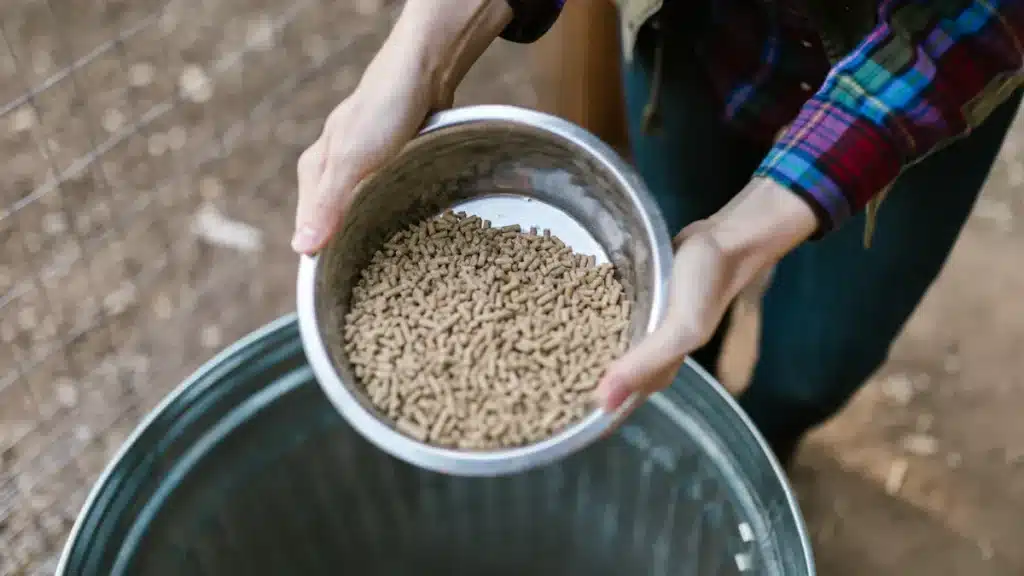
Fumaric acid is also used in animal feed. It lowers the pH in the stomach, helps animals use nutrients, and cuts down bad bacteria. Feed-grade fumaric acid, first made by NORBIDAR, helps chickens, pigs, and fish grow well.
In chemicals, fumaric acid is used to make synthetic resins. It makes things like plastics, paints, and glue stronger and more heat-resistant. China and India use a lot of fumaric acid for resins and coatings.
Fumaric acid and its derivatives are widely used as pharmaceutical excipients to improve the stability of medicines. Ferrous fumarate is a common raw material used in iron supplement products. Its derivatives are also applied in the formulation of anti-fungal and chronic disease-related products.
In personal care products, it acts as a pH adjuster and skin conditioning agent for mild exfoliation and moisturization. It is mild and suitable for sensitive skin.
Fumaric acid can do many things. Makers, sellers, and buyers like it because it is safe and useful. NORBIDAR is a trusted company for big and custom orders, giving good quality and new ideas.
Comparing natural and synthetic fumaric acid
Composition and purity
Natural fumaric acid is found in plants, fungi, and people. Synthetic fumaric acid is made in factories. Both types have the same chemical structure. The formula for fumaric acid is C4H4O4. This means they are the same at the molecular level.
Professional manufacturers adopt refined technologies to produce high-purity synthetic fumaric acid. Synthetic products generally have higher purity than natural fumaric acid, which is critical for food, pharmaceutical and industrial applications. High purity reduces impurities and ensures stable performance. Qualified synthetic fumaric acid can meet global safety and quality standards required by commercial buyers.
| Feature | Natural Fumaric Acid | Synthetic Fumaric Acid |
|---|---|---|
| Source | Plants, fungi, human body | Factory synthesis |
| Purity | Variable, lower yield | High, consistent |
| Availability | Limited, seasonal | Year-round, large scale |
| Chemical Structure | C4H4O4 | C4H4O4 |
Synthetic fumaric acid gives companies a safe and steady ingredient. The synthetic kind is important for making lots of food and industrial products.
Safety and regulation
Global food safety authorities have evaluated fumaric acid. Both natural and synthetic forms are recognized as safe when applied within regulated limits. The FDA, EFSA and JECFA have approved its use in food, pharmaceutical products and dietary supplements.
The European Union calls fumaric acid E297. There is no safety worry at normal amounts when used for flavor. In the United States, it is called GRAS, which means it is safe to eat. In Asia, countries like China and India use it more in factories, but it is still allowed in food.
Most people do not have problems with fumaric acid. Rarely, some people may get a rash, itchy skin, or stomach pain if they eat too much. These problems do not happen often and are usually not serious. People with psoriasis sometimes take fumaric acid supplements, but they should listen to their doctor.
Note: Always use the right amount of fumaric acid in food and supplements. This keeps it safe and not harmful.
Uses and benefits
Fumaric acid is used in food, medicine, and industry. Both natural and synthetic types help make products better, but synthetic is used more in big factories.
| Application Sector | Natural Fumaric Acid | Synthetic Fumaric Acid |
|---|---|---|
| Food | Used for flavor and preservation | Used for efficiency, purity, and availability |
| Pharmaceuticals | Found in supplements and treatments | Used for stability and effectiveness in drug formulas |
| Industrial | Limited use | Key for resins, plastics, and coatings |
- In food, fumaric acid makes things taste sour, keeps the right acidity, and helps food last longer. It is a safe food additive called E297.
- In the pharmaceutical industry, fumaric acid and its derivatives are used as raw materials for various formulations.
- In industry, the synthetic kind is needed to make strong, heat-resistant plastics and resins.
The good things about synthetic fumaric acid are:
- Makes food and drinks taste better
- Controls acidity for taste and safety
- Helps food last longer by stopping germs
- Gives heat strength to industrial products
- Helps keep food safe from bacteria
While natural ingredients are favored by some consumers, both natural and synthetic fumaric acid are safe and effective. Synthetic fumaric acid is more suitable for large-scale industrial production with stable quality.
Fumaric acid exists in natural sources and can be industrially produced, and it is widely applied in food, pharmaceutical and industrial fields. Both forms are safe for regulated use. It improves the flavor and preservation performance of food, and enhances the performance of industrial products.
FAQ
Which foods contain fumaric acid?
Many fruits contain fumaric acid. Apples, pears, papayas, plums, and citrus fruits all contain small amounts of fumaric acid. Some mushrooms and vegetables also contain fumaric acid.
Is fumaric acid safe for children?
Experts say that fumaric acid is safe for children as a food ingredient. Food safety agencies test it before approving its use.
Why do companies use synthetic fumaric acid?
Companies choose synthetic fumaric acid because of its high purity and stable supply. This helps ensure the safety and consistency of food, pharmaceuticals, and industrial products.