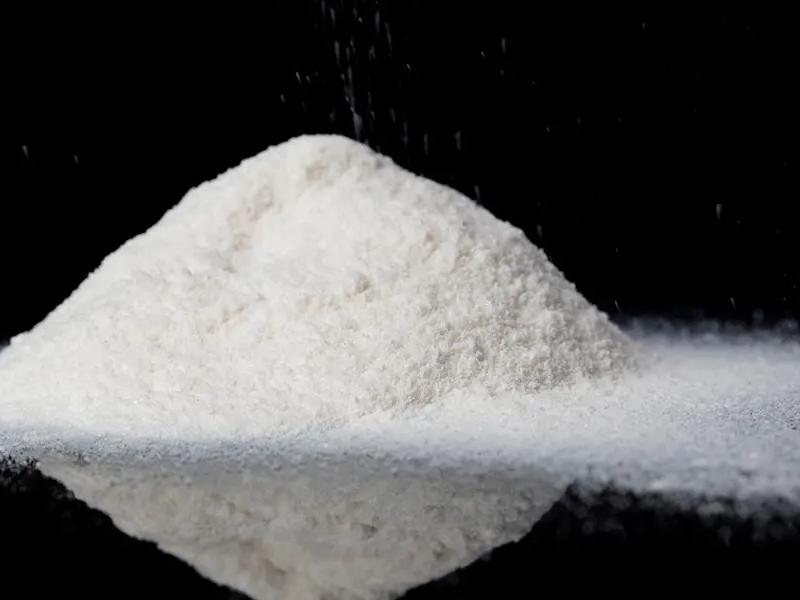
Is fumaric acid a hazardous substance? Fumaric acid can cause environmental hazards during transportation. The U.S. Occupational Safety and Health Administration (OSHA) states that workers need specialized training to handle fumaric acid. The U.S. Environmental Protection Agency (EPA) has strict regulations for the cleanup of fumaric acid spills. Fumaric acid is widely used in a variety of products. About one-third is used in food and beverages. The remaining large quantities are used in pharmaceuticals and industrial production.
| Application | Percentage of Global Production |
|---|---|
| Food & Beverage | 33% |
| Pharmaceutical | 15% |
| Industrial (UPR & Resins) | 20-25% |
| Coatings, Adhesives, Composites | 5-10% |
Key Takeaways
- Fumaric acid can be dangerous if used improperly. It can irritate the skin, eyes, and respiratory tract. Always wear protective equipment when using it.
- When using fumaric acid, please follow safety regulations. The U.S. Environmental Protection Agency (EPA), Occupational Safety and Health Administration (OSHA), and Food and Drug Administration (FDA) have established strict regulations to ensure public safety.
- Store fumaric acid in a cool, dry place and clearly labeled. Never place it near heat sources or strong chemicals. This helps prevent adverse reactions.
- In case of a spill, act quickly. Wear protective equipment, stop the spill, and notify relevant personnel. This helps protect the environment.
- Fumaric acid is safe for use in food at certain concentrations. The FDA allows a maximum concentration of fumaric acid of 0.1% (by weight). This ensures that fumaric acid is safe for consumption when used correctly.
Hazards of Fumaric Acid

Health Risks
Improper use of fumaric acid can lead to health problems. Inhaling the dust can irritate the nasal passages, throat, and lungs, causing coughing or difficulty breathing. Skin contact with the powder can cause redness, itching, and even eczema. Contact with the eyes can cause pain or a burning sensation.
Some people may experience stomach pain, diarrhea, or skin redness after ingesting products containing fumaric acid. Long-term use can lead to more serious health problems, such as a decreased white blood cell count (medically known as leukopenia). Some people may experience ulcers, bleeding, or even stomach perforation. Doctors have also found that large doses of fumaric acid taken for medical reasons can lead to liver and kidney problems.
Tip: If you inhale the dust, move to fresh air immediately. If the powder gets on your skin, rinse with water for at least 15 minutes.
Environmental Impact
Large-scale spills of fumaric acid into water bodies or soil can be harmful to the environment. It can alter the pH of water bodies, making them unsafe for fish and other animals. Factories must comply with regulations to prevent fumaric acid spills into rivers or lakes. Workers should promptly clean up the spill and report it to the relevant authorities. This helps protect plants, animals, and people using the water.
Fire and Explosion Risks
Fumaric acid is not flammable, but it can burn at sufficiently high temperatures. Its flash point is 230°C, and its auto-ignition temperature is 375°C.
In the event of a fire, the smoke may contain harmful gases. People should wear protective equipment when extinguishing fires near this chemical. In some cases, fumaric acid dust mixed with air and encountering a spark can explode. Factories must keep the powder away from open flames and sparks to ensure safety.
Regulatory Status
U.S. Regulations
In the United States, different agencies are responsible for ensuring the safe use of chemicals. The Occupational Safety and Health Administration (OSHA) sets rules to ensure worker safety. Workers must be trained and read clear labels when using fumaric acid. The Environmental Protection Agency (EPA) is responsible for checking whether leaks or waste will harm the environment. The Food and Drug Administration (FDA) sets a maximum limit of 0.1% (by weight) of fumaric acid in food. This regulation helps ensure food safety.
International Standards
Other countries also have strict regulations for this chemical. The European Union has strict regulations to protect humans and the natural environment. The European Food Safety Authority (EFSA) is responsible for checking the safety of food additives and ensuring that companies use safe dosages. The table below shows the differences between the US and the EU:
| Region | Regulatory Limits for Fumaric Acid | Notes on Regulatory Environment |
|---|---|---|
| US | FDA limits fumaric acid use in foods to 0.1% by weight | FDA closely monitors fumaric acid; market driven by food and beverage industry |
| EU | Stringent regulations favoring food safety and quality; exact limits not detailed | EFSA monitors fumaric acid; regulations are strict, supporting food preservation and pH adjustment uses |
Many countries use the Globally Harmonized System of Classification and Labelling of Chemicals (GHS) for chemical labeling. This system helps workers and businesses understand the risks.
Hazard Classification
Fumaric acid is listed as a hazardous substance in many places. The GHS system includes an eye irritation warning. The table below illustrates this:
| Classification Type | Category | Hazard Statement | Signal Word |
|---|---|---|---|
| Eye irritation | 2A | H319: Causes serious eye irritation. | Warning |
These rules help ensure the safety of workers, customers, and the environment. These rules must be followed when using or transporting fumaric acid.
Handling Fumaric Acid

Storage and Transportation
Safe storage and transportation help ensure personnel safety and protect the environment. Workers should clearly label all containers. Chemicals must be stored in a cool, dry, well-ventilated place. High temperatures and sunlight will accelerate their decomposition. Keep them away from strong oxidizers to prevent hazardous reactions. The plant should keep the powder away from open flames and sparks. A mixture of dust and air may cause an explosion.
| Best Practice | Description |
|---|---|
| Air Contact | Keep air contact to a minimum to prevent degradation. |
| Storage Conditions | Store in a cool, dry, and ventilated area away from heat sources and sunlight. |
| Incompatibilities | Avoid storing with strong oxidizing agents. |
| Personal Protective Equipment | Use waterproof boots, protective clothing, and safety glasses. |
| Ventilation | Ensure proper ventilation; use respiratory equipment if necessary. |
| Dust Control | Minimize dust generation and avoid inhalation of dust/mist/vapor. |
Personal Protection
When handling fumaric acid, appropriate protective equipment must be worn. Safety glasses prevent dust from entering the eyes. Waterproof boots and gloves protect the skin. Workers should wear special clothing to prevent burns or rashes. Good air circulation helps maintain clean air. If there is a lot of dust, workers should wear masks. These measures help prevent people from inhaling harmful dust.
Emergency Measures
In the event of a leak, workers must act quickly. They should do the following:
- Wear protective equipment before cleaning up.
- Stop work and absorb the spill with dry materials.
- Place the waste in sealed containers.
- If skin or eyes come into contact with the chemicals, rinse immediately with water.
- Move those who have inhaled dust to fresh air.
- Call emergency services and follow company regulations.
If someone comes into contact with the chemicals, first aid is crucial:
- Eyes: Remove contact lenses, rinse with water for 20-30 minutes, and seek help.
- Skin contact: Wash with water, remove soiled clothing, and seek help if skin is red or itchy.
- Inhalation: Move away from the area, breathe fresh air, and seek help if necessary.
- Ingestion: Do not induce vomiting. If the patient is conscious, give water and call for emergency medical assistance immediately.
Tip: Always keep emergency contact numbers and safe handling procedures near the chemical storage area. Acting swiftly can prevent serious injury.
Applications of Fumaric Acid in Products
Food and Beverage Use
NORBIDAR supplies fumaric acid to numerous food and beverage companies. This ingredient can improve the taste of food and extend its shelf life. Companies add fumaric acid to increase the sourness of food and control its acidity. Fumaric acid is found in many foods:
- Dairy products, such as chocolate milk, eggnog, and yogurt
- Cheese products, such as processed cheeses
- Baked goods, such as bread, cakes, and muffins
- Sweets, such as candy, fudge, and sour candy
- Breakfast cereals
- Processed meats, such as bacon and sausages
- Alcoholic beverages, such as beer, wine, and spirits
- Fruit juices and soft drinks
- Sauces, jams, and flavoring powders
Regulations ensure the safety of fumaric acid in food. In the United States, the FDA sets a maximum limit of 0.1% (by weight) of fumaric acid in food. The European Food Safety Authority also tests the safety and quality of fumaric acid.
Animal Feed and Personal Care
Farmers add fumaric acid to animal feed to help animals grow and digest food. The table below shows how animals utilize fumaric acid and its role:
| Livestock Segment | Uses in Feed | Observed Benefits |
|---|---|---|
| Poultry | Helps gut health, helps absorb food, stops bad bacteria | Safer food, better nutrient use |
| Swine | Makes feed work better, helps gut, helps piglets grow | Faster growth, healthier gut |
| Ruminants | Helps digestion, makes animals eat more, supports health | Better feed use, improved health |
| Aquaculture | Makes water better, helps feed work, helps growth | Healthier and faster-growing fish |
In the personal care industry, some companies use fumaric acid in creams and scrubs. It helps remove dead skin, leaving skin looking brighter. It’s especially popular with people with sensitive skin because it soothes swelling and keeps skin moisturized.
Safety under Typical Exposure
Scientists and safety agencies have tested fumaric acid in products. The U.S. Food and Drug Administration (FDA) states that fumaric acid is generally safe when used within permissible dosage ranges. Most people do not experience side effects after consuming fumaric acid-containing foods or using skincare products. Treatment with fumarate esters may cause stomach pain or flushing, but these symptoms usually disappear after treatment ends. Regular checkups help prevent serious problems. Studies show that fumaric acid does not cause cancer or damage organs at normal doses. It does not accumulate in the body and does not harm the environment.
Tip: Always read the ingredient list on the product label and use it correctly.
Fumaric acid may pose risks if used improperly. It is safe in food and products as directed. Scientists say fumaric acid is effective and safe for medical use:
| Study Title | Key Findings |
|---|---|
| Long‐term real‐life safety profile and effectiveness of fumaric acid esters in psoriasis patients | Shows it is safe and works well long-term, but may cause lymphopenia. |
| Oral fumaric acid esters for psoriasis: abridged Cochrane systematic review including GRADE assessments | Reviews how well oral fumaric acid esters work and how safe they are. |
FAQ
What are the uses of fumaric acid?
Fumaric acid helps give food a sour taste and extends its shelf life. Many companies use it in beverages, confectionery, and baked goods. Farmers add it to animal feed. Factories use it in the production of plastics and paints. Skincare products use it as a gentle exfoliant.
Is fumaric acid edible?
Scientists and safety organizations say that fumaric acid is safe in food within approved levels. The U.S. Food and Drug Administration (FDA) allows fumaric acid in food at levels not exceeding 0.1% (by weight). People should always follow label instructions and serving sizes.
Will fumaric acid harm the skin or eyes?
Direct contact with fumaric acid can irritate the skin and eyes. Wear gloves and safety goggles when handling the powder. If it comes into contact with skin or eyes, rinse immediately with water.
Will fumaric acid harm the environment?
Large spills can alter the pH of water bodies and harm fish or plants. Plants must comply with relevant regulations to prevent spills. Workers will quickly clean up the spill to protect the environment.
How should fumaric acid be stored?
Fumaric acid should be stored in a cool, dry, well-ventilated place. Containers must be clearly labeled. Powdered fumaric acid must be kept away from heat sources, sparks, and strong chemicals.