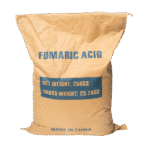

Acidity regulators for food use are considered safe for the general population when used within established regulatory limits. Fumaric Acid is a common example of an acidity regulator. Many people ask, “is acidity regulator safe in food?” Regulatory authorities confirm that approved acidity regulators are safe when used within specified limits. Because they help keep food fresh and safe to eat. They also improve the taste and texture of food, making many foods more enjoyable to eat.
Key Takeaways
- Acidity regulators are generally safe. When used correctly, they are safe for most people and approved for use in food.
- They help keep food fresh and tasty. By controlling pH levels, acidity regulators improve flavor and extend shelf life.
- They improve food safety. Lowering or adjusting pH helps stop harmful bacteria from growing, making food safer to eat.
- Common examples enhance quality. Ingredients like citric acid and fumaric acid are often used to improve taste and texture in packaged foods.
- Check labels if you have concerns. People with allergies or certain health conditions should read ingredient lists carefully and consult a doctor if needed.
- Fresh foods reduce additive intake. Choosing fresh, whole foods instead of heavily processed products can help limit exposure to acidity regulators and support a healthier diet.
What Are Acidity Regulators?
Definition and Role Of Acidity Regulators
Acidity regulators are food additives. They help control how acidic or alkaline foods are. Food scientists use them to change the pH in many foods. This is important for a few reasons. Acidity regulators stop harmful bacteria from growing. They also make sure food tastes right. They help keep the texture of food just right.
Acidity regulators are very important in making food. They help food stay fresh, taste good, and last longer.
Here are some main things acidity regulators do in food:
- They change how acidic or alkaline food is.
- They help with food processing and make food taste better.
- They stop harmful bacteria by keeping the pH safe.
Why Acidity Regulator Are Used
Manufacturers put acidity regulators in food for many reasons. These additives help food last longer. They also make food taste better and look nice. Many processed foods would spoil or taste bad without them.
The table below shows what acidity regulators do in processed foods:
| Role of Acidity Regulators | Explanation |
|---|---|
| Control Acidity and Alkalinity | Keeps food fresh and tasty by holding the pH at the right level. |
| Prevent Bacterial Growth | Acidification stops bad bacteria in foods like pickles. |
| Maintain Color | Some acidity regulators help food keep its bright color. |
Acidity regulators also help food feel better when you eat it. You can find acidity regulators in drinks, packaged foods, and even some medicines. In the last ten years, people have used more of these additives. This is because more people buy processed foods and drinks. Many companies now try to use natural and organic choices because people want cleaner labels.
Types of Acidity Regulators
Common Examples
Many food additives help control how acidic foods are. Some acidity regulators are used a lot. These include:
- Citric acid
- Lactic acid
- Phosphoric acid
- Sodium citrate
- Fumaric acid
Citric acid is the most common one. People use it in many packaged foods. It keeps the pH safe, makes food taste better, and helps food last longer. These additives are important for keeping food fresh and safe.
Fumaric Acid as a Case Study
Fumaric acid is special because it has unique features. The table below shows why companies pick fumaric acid for many foods:
| Property | Description |
|---|---|
| Acidity | Fumaric acid is the strongest organic food acid, so it works well as an acidity regulator. |
| Buffering Capacity | It helps keep pH levels steady, which improves flavor and color. |
| Low Moisture Absorption | It does not absorb much water, so dry mixes do not clump or cake. |
| Antimicrobial Characteristics | It helps stop harmful bacteria from growing, making food safer. |
| Solubility Profile | It dissolves slowly in cold water and faster in hot water, which helps in different recipes. |
Fumaric acid is popular because it gives a strong sour taste. It also helps food stay fresh. Fumaric acid is permitted for use in specific food categories under defined conditions by the U.S. Food and Drug Administration (FDA) and has been evaluated for safety by the European Food Safety Authority (EFSA). In the US., the FDA permits fumaric acid for specific food categories under defined usage levels, as outlined in Title 21 of the Code of Federal Regulations.
Note: Fumaric acid used in food is different from dimethyl fumarate, a chemically modified compound used in industrial or pharmaceutical applications. Safety assessments for food-grade fumaric acid apply only to its approved use as a food additive.
Foods That Contain Them
Many foods have acidity regulators. The table below shows some examples:
| Acidity Regulator | Common Packaged Foods |
|---|---|
| Citric acid (E330) | Marmalades, fruit drinks, jello, poultry |
| Fumaric acid (E297) | Fruit drinks, breads, pie fillings, wine |
People can find these additives in drinks, baked goods, and jams. These additives help keep food safe, tasty, and looking nice.
Is Acidity Regulator Safe in Food?
Scientific and Regulatory Consensus
A lot of people ask if acidity regulators are safe in food. Food safety groups in the US. and Europe have strong rules for food additives. In the United States, food additives are regulated under the Federal Food, Drug, and Cosmetic Act. Substances may be approved as food additives or determined to be “Generally Recognized As Safe” (GRAS) based on scientific evidence. In the United States, certain acidity regulators such as citric acid and fumaric acid are classified as “Generally Recognized As Safe” (GRAS) by the FDA when used within specified limits and good manufacturing practices.
Here is a table that lists some common acidity regulators and if they are GRAS:
| Acidity Regulator | GRAS Status | Common Uses |
|---|---|---|
| Ascorbic Acid | Yes | Food preservation, flavoring |
| Citric Acid | Yes | Food preservation, flavoring |
| Phosphoric Acid | Yes (for approved uses) | Beverage acidulant |
In the European Union, food additives such as acidity regulators are evaluated by the European Food Safety Authority (EFSA), which conducts scientific risk assessments before approval. They look at safety data, how the additive is made, and how it is labeled. After approval, experts keep watching to make sure the additives stay safe.
Some people think all food additives are bad or fake. This is not true. Many acidity regulators come from things found in nature. Experts test and approve these additives to make sure they are safe for everyone.
Note: E-numbers are simply identification codes for approved food additives in the European Union. Their safety depends on the specific substance and permitted use level. Many, like acidity regulators, help keep food safe and good quality.
Regulatory risk assessments evaluate both short-term and long-term dietary exposure before approving acidity regulators for food use. Some experimental studies have explored how certain food acids may influence gut microbiota under laboratory conditions. However, current regulatory evaluations consider typical dietary exposure levels to be safe for the general population.
Benefits for Food Safety
Are acidity regulators safe in food? Science and rules say yes. These substances are important for food safety. They help keep food fresh and safe to eat.
Acidity regulators lower the pH in foods. Most bad bacteria cannot grow in acidic places. Foods with a pH below 4.6 are much safer from harmful bacteria. That is why pickles and citrus fruits do not spoil easily or make people sick.
- Acidic foods slow or stop bacteria from growing.
- Adding acids like citric or acetic acid keeps the pH low.
Acidity regulators also help food last longer. By keeping the pH balanced, they stop germs from growing. This keeps food from spoiling and makes it safe for more time.
Are acidity regulators safe for everyone? For most people, yes. Experts keep studying these substances and change their advice if new facts come up. If you worry about food additives, read labels and talk to a doctor.
Are acidity regulators safe in food? Experts and science say yes. These substances help keep food safe and make many foods better for people to enjoy.
Risks and Sensitive Groups of Acidity Regulation
Who Should Be Careful
Most people can eat foods with acidity regulators safely. But some people need to be careful. People with allergies or health problems should pay more attention. If someone has food allergies or is sensitive to additives, they should watch out. True allergic reactions to common food acids such as citric acid or fumaric acid are rare. However, individuals with specific sensitivities or gastrointestinal conditions may experience discomfort from highly acidic foods.
Kids, pregnant women, and people with weak immune systems should also be careful. People with acid reflux or stomach problems may feel worse after eating acidic foods or drinks. Individuals with acid reflux or gastrointestinal sensitivity may be advised by healthcare professionals to limit highly acidic foods.
Tip: If someone feels sick after eating foods with acidity regulators, they should talk to a doctor.
How to Check Labels
People can find acidity regulators on food labels by looking for certain words or E numbers. Food labels might call them acidity regulators, acidifiers, buffers, neutralizing agents, or food acids. The table below shows some common names and codes:
| Term | E Number | Description |
|---|---|---|
| Citric acid | E330 | Commonly used acidity regulator in foods. |
| Sodium citrate | E331 | Used as an acidity regulator and flavoring. |
| Potassium citrate | E332 | Functions as an acidity regulator in foods. |
Shoppers should read ingredient lists closely, especially if they have allergies or health worries. If someone is not sure about an additive or sees a warning, they should ask a doctor or dietitian for help.
Note: Not all food additives are bad, but it is smart to learn more and pick foods that are right for you.
Most people can eat foods with acidity regulators without problems. Some people, like those with allergies, need to be more careful. They should read labels and ask a doctor if they have questions. If you want to avoid these additives, pick fresh foods and check the ingredients. Companies must follow tough rules for safety and labeling. The table below gives resources for people who want to learn more.
| Aspect | Details |
|---|---|
| Guidelines for Use | Manufacturers must follow strict limits and labeling rules. |
| Health Research | Ongoing studies help experts understand long-term effects. |
| National Regulations | Countries may have extra rules based on local needs. |
Regulatory information referenced in this article is based on publicly available guidance from the U.S. Food and Drug Administration (FDA), the European Food Safety Authority (EFSA), and the Codex Alimentarius Commission.
FAQ
What is an acidity regulator?
An acidity regulator is a food additive. It helps change the pH in foods. This keeps food safe to eat. It also helps food stay fresh and taste good.
Are acidity regulators natural or artificial?
Some acidity regulators come from fruits and plants. Others are made by people in factories. Both kinds must follow strict safety rules.
Can children eat foods with acidity regulators?
Most kids can eat foods with acidity regulators safely. Parents should check labels if their child has allergies or is sensitive.
How can someone avoid acidity regulators in food?
Pick fresh fruits and vegetables instead of processed foods.
Always read the ingredient list on packages.
Watch for words like “citric acid,” “fumaric acid,” or E numbers.