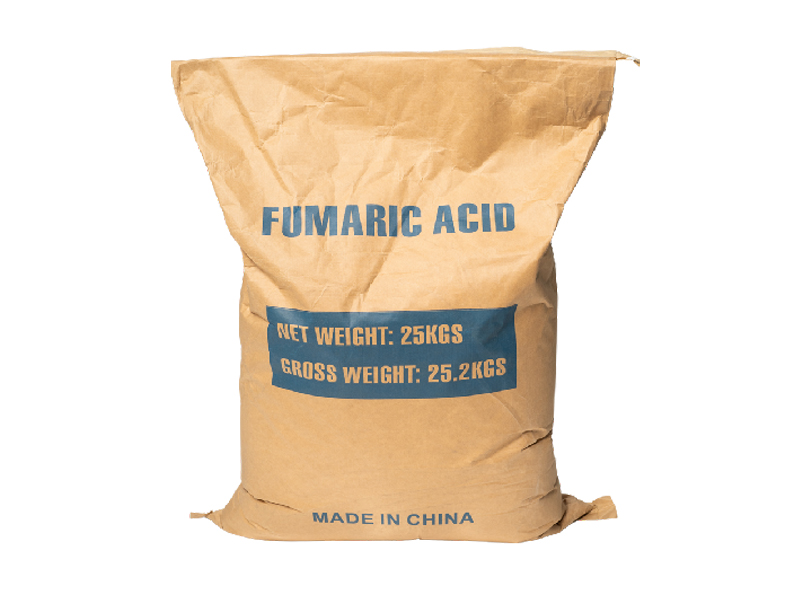
There are several methods to prepare fumaric acid, each yielding different amounts and levels of purity. To prepare fumaric acid, chemists utilize various methods to ensure high yields and exceptional purity. Fumaric acid is widely used in the pharmaceutical, cosmetic and chemical manufacturing industries. NORBIDAR supplies high-purity fumaric acid tailored for these applications.
Key Takeaways
- Fumaric acid is widely used in food, pharmaceutical, cosmetics, and chemical industries.
- The best way to make fumaric acid in a lab is by changing maleic acid. This method gives more than 90% pure fumaric acid. You only need simple tools for this process.
- Safety is very important when making fumaric acid. Always wear safety gear. Follow the right steps to handle and throw away materials.
- Cleaning methods like recrystallization and decolorization make fumaric acid better. These steps help it meet the needs of different industries.
Main ways to prepare fumaric acid
Isomerization of maleic acid
Chemists use isomerization to make fumaric acid. They start with maleic acid. They heat it or add catalysts like thiourea, hydrochloric acid, or vanadium pentoxide. This changes maleic acid into fumaric acid. The reaction works best at 60 °C. It can reach about 90% conversion in one hour. The final product is very pure, usually above 99%. This method is good for labs. It needs simple equipment and gives reliable results.
Tip: Isomerization is popular in labs because it gives high yield and purity.
| Parameter | Value |
|---|---|
| Activation Energy | 43.1 kJ mol–1 |
| Temperature | 60 °C |
| Thiourea Concentration | 10% mol/mol (0.0502 mol L–1) |
| Isomerization Conversion | ~90% in 60 min |
Melting maleic anhydride
Melting maleic anhydride is another way to make fumaric acid. When maleic anhydride melts, it changes and forms fumaric acid. Chemists sometimes use catalysts like vanadium or phosphorus oxides to speed up the reaction. This method is common in factories. It can handle large amounts of material. The process is efficient and gives fumaric acid with good purity.
Hydrothermal conversion
Hydrothermal conversion uses water and heat to change maleic acid or malic acid into fumaric acid. This method does not need a catalyst. Scientists change the temperature to control how fast the reaction happens and how much product they get. Higher temperatures make the process faster. They may help make fumaric acid from malic acid instead of maleic acid. Hydrothermal conversion is promising for commercial use. It is simple and stable.
Industrial synthesis routes
The most common methods are chemical isomerization of maleic acid and making it from maleic anhydride. Catalysts like mineral acids, peroxy compounds, bromate ion, and poly(4-vinyl pyridine) help increase yield. Some companies use biotechnological methods. They use fermentation with fungi such as Rhizopus oryzae to make fumaric acid from renewable sources. Fermentation is more sustainable. It becomes more attractive as oil prices go up. Industrial methods focus on improving strains and processes to boost efficiency.
Note: Industrial methods often use catalysts and big reactors to make more fumaric acid.
Materials and equipment for fumaric acid preparation
Chemicals and reagents
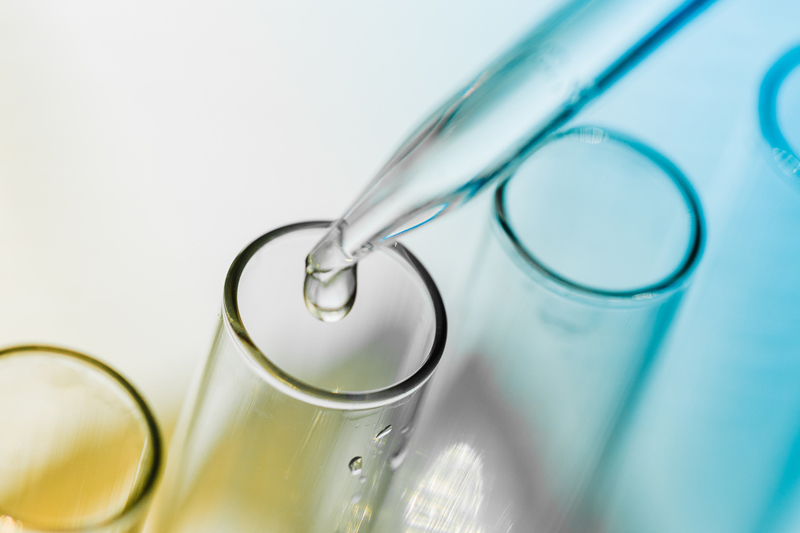
Scientists need different chemicals to make fumaric acid. The chemicals they use depend on the method. Here are some common chemicals and reagents:
- Maleic acid or maleic anhydride
- Hydrazonyl chloride
- Fumaric acid (for reference or purity checks)
- Dimethyl sulfoxide (DMSO)
- Acetonitrile (ACN)
- Sodium phosphate buffer, pH 7
- Catalysts like thiourea, hydrochloric acid, or vanadium pentoxide
- Distilled water
These chemicals help start the reaction. They also help control the process or check the final product.
Lab equipment
The right lab equipment keeps the process safe and correct. Scientists use these tools often:
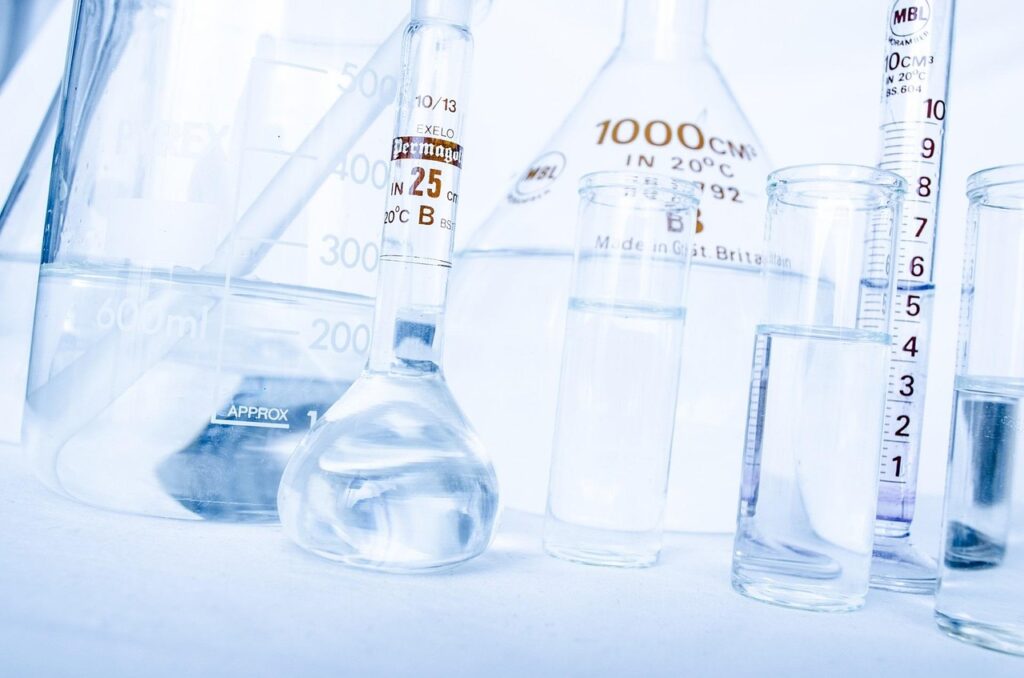
- Beakers and flasks for mixing and heating
- Hot plates or water baths to control temperature
- 96-well microplates for small reactions
- Parafilm to seal containers
- Multichannel pipets for measuring liquids
- Glass rods for stirring
- Thermometers to check temperature
- Funnels and filter paper for separating solids
- Fluorimeter for analyzing samples
Safety gear
Safety is very important in the lab. Scientists must protect themselves from spills, splashes, and fumes. The table below lists the main safety gear used when making fumaric acid:
| Safety Gear Type | Description |
|---|---|
| Personal Respirators | NIOSH Approved respirators for dust or mist exposure; full-face for emergencies. |
| Skin Protection | Impervious clothing, including gloves, lab coat, and boots to prevent skin contact. |
| Eye Protection | Chemical safety goggles and/or full face shield to protect against splashes and dust. |
Tip: Always put on the right safety gear before you start. This keeps everyone safe and helps stop accidents.
How to prepare fumaric acid safely
Handling acids and reagents
Scientists need to be careful with acids and reagents. They wear gloves, goggles, and lab coats for safety. These protect their skin and eyes from harm. They use pipettes and tongs so they do not touch chemicals. They always check bottle labels before opening them. Acids are kept in special cabinets away from heat and sunlight. Scientists never mix chemicals if they do not know what they are. A spill kit is always close in case something spills.
Safety Tip: Wash your hands after using acids. This stops skin problems and keeps the lab tidy.
Ventilation and spills
Labs need good airflow to keep air safe. Scientists open windows or use fume hoods with strong acids. Fume hoods pull bad vapors away from people. If something spills, they clean it up fast. They use pads to soak up the liquid. Then they wash the spot with water and mild soap. Big spills are told to supervisors right away.
| Action | What to Do |
|---|---|
| Small Spill | Use absorbent pad, clean up |
| Large Spill | Evacuate, alert supervisor |
| Fume Exposure | Move to fresh air |
Waste disposal
Throwing away waste the right way keeps people and nature safe. Used acids and reagents go in labeled containers. Chemicals are never poured down the sink. Scientists follow local rules for dangerous waste. If they are not sure, they ask waste staff for help. Waste containers are kept closed when not being used. They check for leaks before moving containers.
Step-by-step: how to make fumaric acid
Isomerization procedure
Chemists use isomerization to make fumaric acid in the lab. They begin with maleic acid and follow these steps:
- Put maleic acid and water in a beaker.
- Pour hydrochloric acid into the beaker.
- Heat the mix to about 100°C. Stir it gently for one or two hours.
- Look for crystals starting to form in the beaker.
- Let the mix cool down slowly. Use a filter to collect the fumaric acid crystals.
- Rinse the crystals with distilled water to clean off extra acid.
Tip: If you do not see crystals, try cooling slower or use a different solvent.
Melting maleic anhydride procedure
Factories and labs also melt maleic anhydride to make fumaric acid. Here are the steps:
- Put maleic anhydride in a flask that can handle heat.
- Heat the flask to 160°C–200°C for half an hour. Stir the mix so the heat spreads evenly.
- Take the flask off the heat and let it cool.
- Add water to the flask to help dissolve the product.
- Filter out the fumaric acid crystals.
Sometimes, this method makes solid byproducts and causes reactor problems. These problems happen when maleic anhydride breaks down at high heat. Mixing better can stop these issues. Good mixing lets you use higher heat and get more product.
| Issue | Solution |
|---|---|
| No crystals | Cool slowly, try new solvent |
| Low yield | Change temperature, stir more |
| Impurities | Filter again, use charcoal |
| Off color | Wash with distilled water |
Hydrothermal method steps
Hydrothermal conversion uses heat and water to turn maleic acid into fumaric acid. Scientists do these steps:
- Mix maleic acid and water in a closed flask.
- Heat the flask to 130°C–150°C for three hours.
- Let the flask cool after heating.
- Filter out the fumaric acid crystals that appear.
- Wash the crystals with distilled water.
Note: This way does not need a catalyst. It works well in labs and factories.
Notes on industrial methods
Factories want to make fumaric acid quickly and get a lot of it. They use big reactors and special catalysts. Most use chemical isomerization or melt maleic anhydride. Some companies use fungi to make fumaric acid from things that grow back. Better mixing and good temperature control help avoid mistakes and make pure fumaric acid. If there are problems, changing the temperature or filtering again can help keep the product pure and the yield high.
Purification techniques for fumaric acid
Purifying fumaric acid makes it good for food, medicine, and factories. There are different ways to take out things that should not be there. These ways help make the final product better.
Recrystallization
Recrystallization is the main way to clean fumaric acid. Scientists put rough fumaric acid in hot water. The solid melts and the water looks clear. They let the water cool down slowly. As it cools, pure crystals of fumaric acid appear. These crystals are easy to pick up and wash. This method takes away many things that are not wanted.
| Method | Description |
|---|---|
| Recrystallization | Put rough fumaric acid in hot water, cool, then pick out pure crystals. |
| Decolorization | Use activated charcoal or other ways to take out color. |
| Sublimation | Heat fumaric acid to make vapor, then cool to get pure crystals. |
Tip: Letting the water cool slowly makes bigger and cleaner crystals.
Decolorization
Sometimes, fumaric acid looks yellow or brown because of color. Decolorization helps take away these colors. Scientists add activated charcoal to the hot water with fumaric acid. The charcoal grabs the color and holds it. They stir the mix so the charcoal can work better. After a few minutes, they filter out the charcoal and the color. The water now looks clear. When it cools, white fumaric acid crystals form.
Steps for decolorization:
- Put activated charcoal in the hot fumaric acid water.
- Stir the mix well.
- Filter to take out the charcoal and color.
- Cool the water to make crystals.
- Pick up and dry the crystals.
Note: Activated charcoal works best when the water is hot.
Drying and storage
Drying and storing fumaric acid the right way keeps it clean and safe. Scientists spread the wet crystals on paper or a tray. They let the crystals dry in the air or use a warm oven. Dry crystals last longer and do not stick together. For storage, they put the crystals in a closed container. The container stays in a cool, dry place with air flow. This stops water and dirt from getting in.
- Store in a cool, dry place with air flow.
- Keep the container closed after opening.
- Do not let water or dirt get in.
Storing fumaric acid the right way keeps it fresh and ready to use.
Making fumaric acid needs careful steps and safety. People use the right chemicals and follow safety rules. They keep the acid in closed containers. Good airflow helps keep the lab safe. Workers learn what to do in emergencies. Cleaning the acid makes it better for food and medicine. It is also good for factories. NORBIDAR sells very pure fumaric acid that is always the same.
Always read safety data and throw away chemicals the right way. Green methods help keep people and nature safe.
FAQ
What is the best method to prepare fumaric acid in a lab?
Most chemists use isomerization of maleic acid. This method gives very pure fumaric acid. It also gives a good amount of product. The process works with simple lab tools. Many scientists pick this way for making small batches.
How can someone check the purity of fumaric acid?
They can check purity by melting point or chromatography. Pure fumaric acid melts at about 287°C. NORBIDAR sells fumaric acid that meets strict quality rules.
Is fumaric acid safe to handle?
Fumaric acid is safe if handled carefully. Scientists wear gloves, goggles, and lab coats. Good airflow and safe storage help stop accidents.
Where can people buy high-purity fumaric acid?
NORBIDAR sells high-purity fumaric acid for many uses. People can contact NORBIDAR for a reliable supply and good quality.