Fumaric acid is typically produced from maleic anhydride through a process of hydrolysis and isomerization. To ensure high-quality fumaric acid, maintaining high purity and safety standards is essential. This compound holds significant value across various industries. Annually, large-scale manufacturers produce approximately 230,000 tons of fumaric acid from maleic anhydride, with China and the United States being the leading producers. Due to its unique properties, fumaric acid is a preferred choice for many companies. NORBIDAR offers high-purity fumaric acid, suitable for a wide range of applications.
| Sector | Application Description |
|---|---|
| Food and Beverage | Used to add tartness, act as a preservative, and regulate pH in foods and drinks. |
| Industrial Manufacturing | Essential for making unsaturated polyester resins used in durable plastics. |
| Pharmaceuticals | Incorporated into medications for conditions like multiple sclerosis and psoriasis. |
Key Takeaways
- Fumaric acid is produced from maleic anhydride through hydrolysis and isomerization. This process is crucial for food and pharmaceutical companies.
- Safety is paramount when using fumaric acid and maleic anhydride. Always wear protective equipment and store properly.
- To obtain higher quality fumaric acid, temperature and pH should be controlled during hydrolysis and isomerization.
- Steps such as recrystallization and decolorization should be employed to ensure that fumaric acid meets food and industrial use standards.
- Fumaric acid has a wide range of applications, including as a food additive and in the manufacture of high-strength plastics. Therefore, it is essential for many businesses.
Fumaric Acid Production Safety Guidelines
Using maleic anhydride in the production of fumaric acid requires careful safety precautions. These chemicals can cause harm if used improperly. Following proper operating procedures ensures worker safety and makes the workplace safer.
Personal Protective Equipment
Personnel handling fumaric acid or maleic anhydride must wear personal protective equipment. Chemical-resistant gloves protect hands from burns. Goggles and face shields protect eyes from splashes. Respirators prevent inhalation of harmful gases. Lab coats and closed-to-the-shoulder shoes help protect the body. Good ventilation reduces the risk of inhaling hazardous vapors.
Chemical Handling and Storage
Handling fumaric acid and maleic anhydride safely means keeping containers tightly closed. Workers should not touch the acid directly with their hands; instead, use a spoon or scraper. Storage areas must be dry and cool, below 40°C. Fumaric acid and maleic anhydride should not be near water or strong alkalis. These chemicals may react and cause hazards. The U.S. Occupational Safety and Health Administration (OSHA) and the American Association of Governmental Industrial Hygienes (ACGIH) stipulate that the concentration of acid in the air should be below 1 mg/m³. Adhering to these rules prevents accidents and ensures everyone’s safety.
Waste Management
Proper waste disposal is crucial in the production of fumaric acid. Workers must place all acidic residues and contaminated materials in designated containers. Never pour acidic waste into sinks. Plants must comply with U.S. Environmental Protection Agency (EPA) and local regulations regarding hazardous waste. Training helps workers understand the hazards of fumaric acid and how to clean up spills. Rapid spill cleanup prevents injury and protects the environment.
How to Prepare Fumaric Acid from Maleic Anhydride
Hydrolysis of Maleic Anhydride
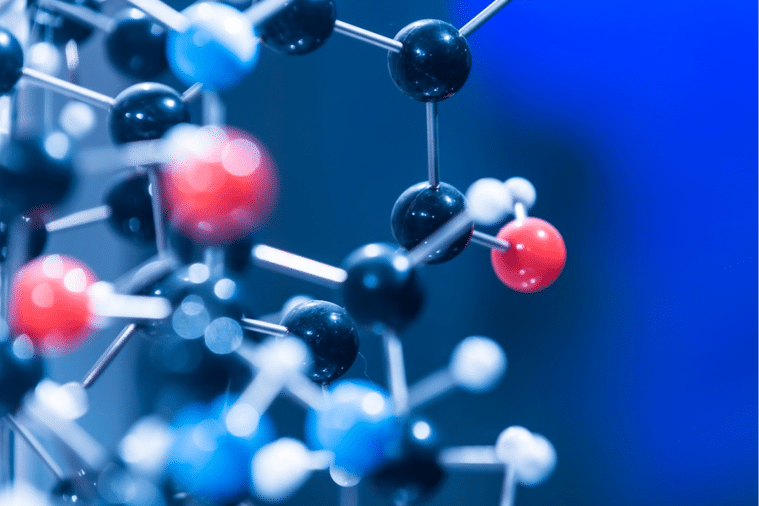
Hydrolysis is the first step. Workers add water to maleic anhydride to produce maleic acid. The chemical equation is C4H2O3 + H2O to produce C4H4O4. Acidic liquids favor the reaction. A pH value less than 5 helps accelerate the reaction. Temperature is also important. The higher the temperature, the faster the reaction rate. However, excessively high temperatures can destroy the acid anhydride. Operators must closely monitor the pH and temperature.
| Factor | Condition Description |
|---|---|
| pH | The hydrolysis reaction rate increases under acidic conditions (pH < 5). |
| Temperature | Reaction rate increases with temperature; excessive heat can cause decomposition. |
Workers stir the mixture to help it dissolve. They frequently check the temperature and pH. This step helps generate more fumaric acid. If hydrolysis is incomplete, the next step will not proceed smoothly.
Isomerization to Fumaric Acid
After hydrolysis, workers perform an isomerization reaction. This step converts maleic acid to fumaric acid. Workers heat the solution or add a catalyst. Some commonly used catalysts include hydrochloric acid, bromate ions, vanadium pentoxide, poly(4-vinylpyridine), and thiourea. Mineral acids, peroxides, and thiourea also contribute to the reaction. The solution must be maintained at the appropriate temperature. Too high a temperature will reduce the amount of fumaric acid produced. This process continues until most of the maleic acid is converted to fumaric acid.
Almost all of the maleic anhydride is converted to fumaric acid. This means the yield is very high. If workers can control each step well, a large quantity of product can be obtained. This step is crucial for the production of fumaric acid.
Maximizing Yield and Purity
Obtaining more and purer fumaric acid is crucial. Workers use different methods to improve product quality. After isomerization, they cool the solution. When the solution cools, fumaric acid crystals form. Workers collect the crystals by filtration.
To obtain pure fumaric acid, workers further purify it. Recrystallization is a common method. They dissolve fumaric acid in hot distilled water. Then they cool the solution. Pure crystals form, while impurities remain in the water. Decolorization is another method. Workers add activated charcoal to the hot solution. The activated charcoal removes colored impurities. They filter the solution to remove the activated charcoal, thus obtaining pure fumaric acid. Sublimation is used for special purposes. Workers heat the fumaric acid until it vaporizes. After the vapor cools, pure crystals form on the cold surface.
| Method | Description |
|---|---|
| Recrystallization | Dissolve fumaric acid in hot distilled water, cool, and collect pure crystals. Removes impurities. |
| Decolorization | Add activated charcoal to hot solution, filter, and obtain pure crystals. Removes colored impurities. |
| Sublimation | Heat fumaric acid to vaporize, collect pure crystals on a cold surface. Used for high-purity needs. |
Filtration and distillation help remove residual impurities. These steps ensure the quality of fumaric acid. The purification of fumaric acid is crucial for food, pharmaceutical, and industrial applications.
Industrial Methods for Preparing Fumaric Acid from Maleic Anhydride
Crystallization and Recrystallization
Plants require thorough purification of fumaric acid. After production, workers filter the liquid to remove solids. Next, they use crystallization to extract pure fumaric acid. As the liquid cools, crystals begin to form. Workers collect these crystals and wash them to remove excess acid or impurities.
Recrystallization is used for further purification of fumaric acid. Workers dissolve crude fumaric acid in hot water. After the water cools, new, pure crystals precipitate. This step removes even more impurities. If the acid solution is colored, decolorization can be performed. Workers add activated carbon to the hot mixture. The activated carbon adsorbs colored impurities. After filtration, the acid solution is purer and has a better appearance. Sublimation is used in special cases. Workers heat the acid solution until it vaporizes. After cooling, pure crystals form at the cold point.
| Method | Description |
|---|---|
| Recrystallization | Dissolve rough fumaric acid in hot water, cool, then collect pure crystals. |
| Decolorization | Use activated charcoal or other methods to remove color impurities. |
| Sublimation | Heat fumaric acid to vaporize and cool to form pure crystals. |
The food, resin, and coating industries have high purity requirements for fumaric acid. The production process should convert almost all maleic acid into fumaric acid to achieve high yields and meet stringent standards.
Common Problems and Solutions
Sometimes, the fumaric acid production process is not without its challenges. If not all maleic acid is converted to fumaric acid, the yield will be low. Workers can address this by checking the temperature and pH levels. If the fumaric acid is not pure enough, the filtration or recrystallization steps may be insufficient. Adding purification steps, such as decolorization, can help.
If the reaction does not proceed completely, the fumaric acid yield will also be reduced. Workers can use better catalysts or improve the reaction steps to increase the conversion rate of maleic acid. Sometimes, adopting new methods or two-step control methods can increase the yield of fumaric acid.
Obtaining high-purity and sufficient fumaric acid is crucial. Close monitoring of each step helps ensure that the fumaric acid is suitable for the food, pharmaceutical, and industrial applications.
Applications and Quality of Fumaric Acid
Applications in Food and Industry
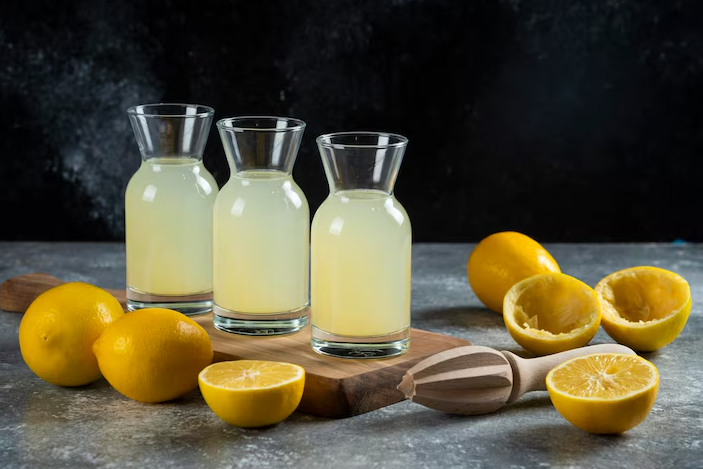
Fumaric acid is used in food products. Businesses add it to beverages, juices, and baked goods to enhance acidity. It helps keep food fresh and safe and extends its shelf life. Food industry professionals must strictly adhere to regulations when using fumaric acid. In the United States, fumaric acid is permitted as a flavor enhancer and acidity regulator. The European Union classifies it as E297, while China uses it as an acidifying agent and antioxidant.
The factory uses fumaric acid to produce high-strength plastics and coatings, products known as unsaturated polyester resins. Fumaric acid used for these applications must be extremely pure. Resin and polymer manufacturers require a stable and high-quality supply of fumaric acid. NORBIDAR sells high-purity fumaric acid that meets stringent standards.
| Specification | Food-grade HWS | Food-grade CWS | Industrial-grade |
|---|---|---|---|
| Appearance | White crystalline powder | Pure white fine powder | Off-white or slightly gray powder |
| Solubility | Low solubility at room temp | Rapidly dissolves in cold water | Similar to HWS but less consistent |
| Applications | Acidulant, flavor enhancer | Instant beverages, cold foods | UPR production, non-food uses |
Pharmaceutical and Animal Nutrition Benefits
Fumaric acid plays an important role in both the pharmaceutical and animal feed industries. In the pharmaceutical field, its purity must meet stringent standards. The United States, the European Union, and China all have regulations governing pharmaceutical-grade fumaric acid. Fumaric acid is used in the production of drugs to treat psoriasis and multiple sclerosis.
Fumaric acid offers numerous benefits to animals. It enhances their vitality, helps them better utilize minerals in their bodies, and maintains stomach health. Fumaric acid can lower the pH level in the stomach, promoting normal enzyme function. It can also inhibit harmful bacteria and prevent animals from getting sick.
| Health Benefit | Description |
|---|---|
| Energy Metabolism | Fumaric acid is part of the TCA cycle and helps make energy, especially when animals are stressed. |
| Mineral Absorption | It helps animals use minerals better, which helps them grow and stay healthy. |
| Gut Health | Fumaric acid lowers stomach pH, helps enzymes, and stops bad bacteria, making the gut healthier. |
| Antibacterial Effects | It keeps good bacteria in the gut and stops bad germs by lowering pH and hurting bacteria, so animals get sick less. |
Specialized detection methods, such as high-performance liquid chromatography (HPLC), gas chromatography-mass spectrometry (GC-MS), Fourier transform infrared spectroscopy (FTIR), and nuclear magnetic resonance (NMR), are used to verify the purity of fumaric acid. These tests ensure that the quality of fumaric acid meets usage requirements. NORBIDAR provides high-purity fumaric acid suitable for the food, pharmaceutical, and industrial applications.
The preparation of fumaric acid from maleic anhydride requires three main steps: hydrolysis, isomerization, and product purification. Operators must adhere to safety procedures and use pure chemicals. Proper execution of each step is essential to obtaining high-quality fumaric acid. This acid has wide applications in the food, industrial, and pharmaceutical sectors. The table below lists more safer methods for producing fumaric acid:
| Method/Strategy | Description |
|---|---|
| Hydrolysis | Changes maleic anhydride into maleic acid, then fumaric acid. |
| Catalyst Use | Iodine and other helpers make the reaction faster. |
| Temperature Control | Using more heat helps isomerization work better. |
| Acid/Alkaline Hydrolysis | Different ways can help make more fumaric acid. |
| Ultrasonic-Assisted Isomerization | This method makes the process work faster and better. |
FAQ
What is fumaric acid made of?
Fumaric acid is made from maleic anhydride. During production, workers prepare fumaric acid through hydrolysis and isomerization reactions. This yields a pure product that can be used in food, pharmaceuticals, and industrial production.
Is fumaric acid safe for use in food?
Yes, food-grade fumaric acid is very safe. Food manufacturers use it to add flavor and keep food fresh. Agencies such as the U.S. Food and Drug Administration (FDA) and the European Food Safety Authority (EFSA) consider it safe to use fumaric acid in many situations.
How should workers store fumaric acid?
Workers need to store fumaric acid in a cool, dry place. They should use airtight containers and avoid contact with water or strong alkalis. Good storage conditions will keep fumaric acid clean and safe.
Why do companies choose NORBIDAR fumaric acid?
NORBIDAR sells high-purity fumaric acid. The company uses new technologies and maintains strict quality control. Many companies trust NORBIDAR because its products consistently maintain excellent quality.