

Maleic acid differs from fumaric acid. The main method for producing maleic acid in factories is to convert n-butene into maleic anhydride, and then hydrolyze it to maleic acid. This process requires specialized chemicals and modern equipment.
Key Takeaways
- The main method for producing maleic acid in factories is the oxidation of n-butene or n-butane. This method is safer and more efficient than traditional methods. The process mainly consists of two steps. First, oxidation produces maleic anhydride; then, hydrolysis converts it to maleic acid. Modern catalysts and reactors help factories reduce energy consumption and pollution during maleic acid production. Some other methods, such as using plant-based raw materials, are being tested. These methods may help make maleic acid production more environmentally friendly. Maleic acid and fumaric acid are very similar, but their structures differ. This affects their stability and their application in factories.
Industrial Maleic Acid Production Methods
Oxidation of n-Butene or Butane
Most factories use the oxidation of n-butene or butane to produce maleic acid. Workers put n-butene or butane and air into a reactor. They use a special catalyst called vanadium phosphate oxide (VPO). This catalyst facilitates the conversion of hydrocarbons into maleic anhydride. The formation of maleic anhydride is a crucial step in the production of maleic acid.
The reaction is carried out at high temperatures, between 400°C and 435°C.
The plant can use either n-butane or 1-butene as starting material. They will choose which to use based on price and availability. The table below compares these two options:
| Oxidation Type | Reactants | Catalyst Type |
|---|---|---|
| n-Butane | n-Butane | Two Kinds of Catalysts |
| 1-Butene | 1-Butene | Two Kinds of Catalysts |
Operators control the reaction process by adjusting the amounts of n-butane, oxygen, carbon monoxide, carbon dioxide, and water entering the reactor. The VPO catalyst performs optimally when these conditions are just right.
Note: Using n-butane or butene is safer and more efficient than traditional methods. Currently, this method is the main route for producing maleic acid.
Maleic Anhydride Hydrolysis
After preparing maleic anhydride, the plant converts it to maleic acid through hydrolysis. Workers add water to the maleic anhydride; the water breaks down its cyclic structure, producing maleic acid. Sometimes, bases such as sodium hydroxide (NaOH) or potassium hydroxide (KOH) are added to accelerate the reaction.
The following table lists the common conditions for this step:
| Condition | Details |
|---|---|
| Base | NaOH/KOH |
| Base Equivalents | 0.6 equivalents to carboxylic acid groups |
| Temperature | 125 °C |
| Reaction Time | At least 30 minutes |
This step marks the completion of the maleic acid production process. Finally, workers obtain pure maleic acid, which is widely used in many industries.
Benzene Oxidation (Historical Review)
Long ago, factories produced maleic acid by oxidizing benzene. Workers mixed benzene with air to produce maleic anhydride. This method was used until 1974. Afterwards, because n-butane was cheaper and safer, factories began using n-butane. The benzene oxidation process produces maleic anhydride by reacting benzene with air. This method was used until 1974.
| Concern Type | Description |
|---|---|
| Energy Consumption | Changing the process can save energy. |
| Environmental Impact | Factories try to make less pollution by improving the process. |
The plant no longer uses benzene to produce maleic acid. The new production method is safer for workers and more environmentally friendly.
Maleic Acid Production Process
Chemical reactions involved
The main step begins with the oxidation of n-butane or n-butene. The plant uses vanadium pyrophosphate as a catalyst. This converts the hydrocarbon into maleic anhydride. This reaction takes place in a reactor. Air and hydrocarbons are mixed inside the reactor. Next, workers add water to the maleic anhydride. This step is called hydrolysis. Hydrolysis breaks down the anhydride ring, resulting in maleic acid. Oxidation and hydrolysis are the two main steps.
Equipment and Technology
The plant uses different reactors for these reactions. The most common is the fixed-bed reactor. The catalyst is fixed in the fixed-bed reactor, and the gas flows within it. Some plants use fluidized-bed reactors. In a fluidized-bed reactor, the catalyst moves with the gas. A few plants use conveyed-bed reactors. The following table lists the main reactor types:
| Reactor Type | Description |
|---|---|
| Fixed Bed Reactor | Most factories use this for maleic anhydride production. |
| Fluidized Bed | Some plants use this as an alternative. |
| Transport Bed | Used in a few special processes. |
New technologies make the production process safer and more efficient. Some improvements include the use of more efficient catalysts and lower-energy-consuming reactors. Plants now use lower-temperature gas-phase and liquid-phase reactions. These changes help save energy and ensure worker safety.
Purification and Separation
After maleic acid is produced, workers need to purify it. They use methods such as separation, washing, and distillation to remove impurities. Some plants use supercritical carbon dioxide and trioctylamine. This helps to obtain pure maleic acid under strict conditions. Workers also dry the acid and test its quality. They use tools such as gas chromatography, nuclear magnetic resonance, and infrared spectroscopy to ensure its purity.
Alternative Synthetic Routes for Maleic Acid
Biomass-Derived Synthesis
Scientists are exploring new methods for producing maleic acid. They are using plant feedstocks such as furfural and hydroxymethylfurfural (HMF) instead of petroleum or natural gas. This helps protect the environment and supports green chemistry. The following table lists the main methods for producing maleic acid using plants:
| Synthesis Route | Description | Yield | Green Chemistry Principles |
|---|---|---|---|
| Furfural to Maleic Anhydride | Changes furfural into maleic anhydride with light or iron catalysts | 85% | Uses many green chemistry ideas |
| Hydrolysis of Maleic Anhydride | Adds water to maleic anhydride to make maleic acid | High | Safe and clean process |
Factories employ various methods to produce maleic acid. Some use specialized catalysts, such as H3PMo12O40 or vanadium compounds, for liquid-phase reactions. Others use vanadium oxide supported on a carrier for gas-phase reactions. Ozone aqueous solutions are also effective under mild conditions. These methods exhibit high selectivity for maleic acid.
Enzymatic and Biotechnological Methods
Researchers are also exploring biological methods for producing maleic acid. They utilize enzymes or microorganisms to convert sugars and other natural substances into maleic acid. This aligns with the principles of sustainable chemistry. However, this method also presents challenges:
- Yields are low due to the generation of other acidic byproducts.
- Key enzymes may cease activity if the temperature is too high.
- The process requires precise control of nutrient balance.
- Byproducts increase cleaning difficulties.
Scientists believe this method of maleic acid production has a bright future. They are dedicated to developing better microorganisms and smarter process designs, and testing new raw materials such as lignocellulose and glycerol. These efforts aim to make the production process more environmentally friendly and efficient.
The Relationship Between Maleic Acid and Fumaric Acid
Isomerization and Transformation
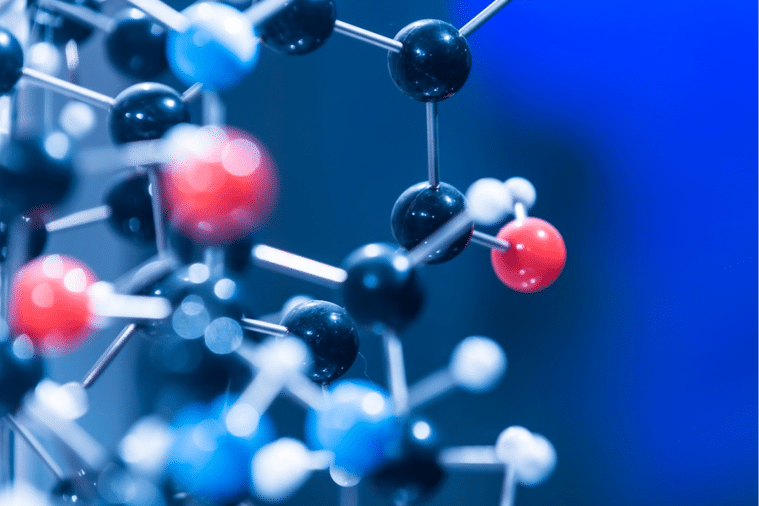
Maleic acid and fumaric acid have the same molecular formula but different molecular structures. Maleic acid is the cis isomer, and fumaric acid is the trans isomer. The table below lists their structural differences:
The process of converting maleic acid to fumaric acid is called isomerization. Scientists achieve this conversion through the following steps:
- They add an atomic bromine atom to the double bond of maleic acid.
- This causes the molecule to twist around the carbon-carbon bond.
- The bromine atom is released, and fumaric acid is formed.
Workers use catalysts such as ammonium bromide or ammonium persulfate. They maintain a stable temperature during the reaction. Using ultraviolet or near-infrared light also helps the conversion occur.
Note: Isomerization requires strict control. If not closely monitored, maleic acid may decompose or generate unwanted products.
Industrial Significance
Factories do not use simple isomerization methods to produce fumaric acid. Maleic acid is relatively unstable due to hydrogen bonding and stress. It reacts readily and decomposes easily even at low temperatures. Isomerization requires catalysts, heating, or light to twist the double bond. Simple methods are not used because maleic acid easily decomposes or generates impurities.
Fumaric acid, on the other hand, is much more stable. It forms strong hydrogen bonds and packs tightly in crystals. Its melting point is much higher than that of maleic acid. The plant employs specialized conditions and catalysts to produce pure and stable fumaric acid. This is crucial for the food, pharmaceutical, and industrial sectors.
Maleic acid production does not rely on isomerization to generate fumaric acid. The plant selects methods that yield higher yields and purity. They avoid uncontrolled reactions to ensure product safety.
The plant primarily uses the n-butane oxidation process to produce maleic acid. This method is highly efficient, energy-saving, and cost-effective.
- The butane process is 33.8% more profitable than the benzene process.
- The butane process is 34% more environmentally friendly than traditional methods.
- This new approach helps reduce pollution and makes plastics easier to recycle.Modern plants produce over 1.8 million tons of maleic acid annually. They consume less energy and have a stable supply of raw materials.
Both maleic acid and fumaric acid are essential in chemical processing and are widely used in many industries.
FAQ
What is the catalyst used in maleic acid production?
A catalyst accelerates a chemical reaction and is not consumed during the reaction itself. In the production of maleic acid, catalysts help convert n-butane or n-butene into maleic anhydride, thereby improving production efficiency and yield. Plants typically use vanadium phosphate oxide as the primary catalyst.
Why is conversion rate so important in maleic acid production?
Conversion rate refers to how much of the starting material is converted into the final product. The higher the conversion rate, the more maleic acid the plant produces per batch. A good conversion rate saves raw materials and reduces waste. Workers closely monitor the conversion rate to ensure smooth production.
How does a catalyst affect the conversion rate?
Catalysts help complete the reaction with less energy. A high-quality catalyst can improve the conversion rate, resulting in more product. Plants experiment with different catalysts to find the one with the highest conversion rate.
Can catalysts be reused?
Yes, catalysts can be reused multiple times. Workers regularly check the catalyst’s activity, and if it becomes ineffective, it is replaced with a new one. Reusing catalysts saves costs and maintains a stable conversion rate.
What happens if the catalyst fails?
If the catalyst fails, the conversion rate will decrease, meaning a reduction in maleic acid production. Workers need to replace or repair the catalyst to improve conversion rates. Maintaining catalyst effectiveness is crucial for safety and obtaining good experimental results.