
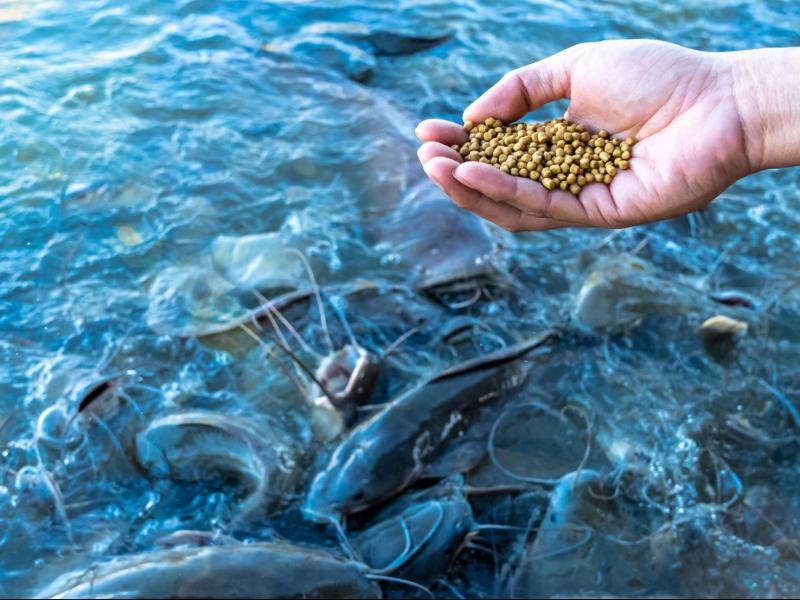
People often wonder: “How is fumaric acid produced?” Currently, there are two primary production methods. One involves an industrial chemical synthesis process, while the other utilizes specific molds for fermentation-based production. NORBIDAR is renowned for producing high-quality fumaric acid. This acid has a wide range of applications, with its most common use found in the food and beverage industry. Furthermore, it is extensively utilized in chemical manufacturing, pharmaceuticals, cosmetic products, and animal feed production. Throughout every stage of the production process, safety, yield, and purity are paramount considerations.
Key Takeaways
- Fumaric acid is primarily produced via two routes: a petrochemical route and a fermentation route utilizing specific molds.
- Fumaric acid is highly versatile and commonly found in products such as food, pharmaceuticals, personal care items, and animal feed. It helps enhance the flavor profile of food products and extends their shelf life.
- Safety and quality are critical aspects of the fumaric acid production process. Manufacturers implement rigorous testing protocols to ensure product purity and safety, as well as compliance with all regulatory standards.
- Comparatively, the fermentation method is a more environmentally friendly production approach, typically utilizing plant-derived sugars or agricultural waste as raw materials.
- Manufacturers conduct frequent quality checks on their products and employ specialized washing processes to ensure that the quality of the fumaric acid meets the stringent requirements of various industries.
Fumaric Acid Production Process
Chemical Raw Materials and Production Equipment
Fumaric acid is primarily produced in manufacturing facilities through chemical reactions. The production process typically utilizes maleic anhydride as the starting material. Maleic anhydride is derived from benzene or butane via a “catalytic oxidation” process. Subsequently, the maleic anhydride is converted into maleic acid through a hydration reaction. Next, within an acidic solution environment—and utilizing thiourea as a catalyst under high-temperature conditions ranging from 145°C to 260°C—the maleic acid is transformed into fumaric acid. The primary equipment employed during this production process includes reactors, filters, and dryers. Additionally, hydrochloric acid is used to wash and treat the finished product. Finally, specialized grinding equipment is utilized to mill the final product. These equipment components and process workflows work in concert to ensure the high purity and consistent quality of the fumaric acid product.
NORBIDAR implements rigorous inspection and quality control measures for all production equipment and chemical raw materials. Consequently, the fumaric acid products it manufactures fully comply with the safety and quality standards applicable to the food, animal feed, industrial manufacturing, and pharmaceutical sectors. Prior to leaving the facility, every batch of product must undergo stringent testing to ensure that both its purity and efficacy meet all established regulatory and standard requirements.
Safety Measures
Safety is paramount at every stage of fumaric acid production. Personnel store fumaric acid in sealed containers, keeping them in a cool, dry, and well-ventilated environment. Furthermore, the substance must be kept away from direct sunlight and strong oxidizing agents. To ensure their personal safety, operators are required to wear gloves, safety goggles, and laboratory coats. When transferring chemicals, they utilize specialized tools such as pipettes and clamps.
The fumaric acid produced by NORBIDAR exhibits exceptional stability, as it does not readily absorb moisture from the air (i.e., it is non-hygroscopic). This characteristic helps extend the shelf life of food products while preserving their original texture and flavor. Thanks to its robust molecular structure and unique *trans* configuration, the product delivers stable and long-lasting acidity and flavor.
Methods for producing fumaric acid

Petrochemical Synthesis Route
The facility employs a petrochemical synthesis route for the production of fumaric acid. This method utilizes hydrocarbon compounds—such as butane or benzene—as starting materials. Operators utilize catalytic oxidation technology to convert these precursors into maleic anhydride. Vanadium phosphorus oxide (VPO) serves as the primary catalyst, facilitating the acceleration of the reaction process and ensuring its efficient and smooth execution.
Workers add water to maleic anhydride to produce maleic acid. Subsequently, utilizing heat and catalysts, they convert the maleic acid into fumaric acid. This step is known as “isomerization.” This petrochemical synthesis route yields an exceptionally high product output.
Fermentation Route
The fermentation synthesis route employs biological organisms to produce fumaric acid. Specific molds—such as *Rhizopus arrhizus* and *Rhizopus oryzae*—facilitate the conversion of sugars into fumaric acid. These molds are cultured in fermentation tanks containing a sugar solution; they consume the sugars and secrete fumaric acid as a byproduct during their metabolic processes.
Fumaric acid can be obtained from glucose via fermentation pathways. Since this method utilizes renewable resources, it is more environmentally friendly. Scientists frequently employ bacteria—such as *Lactobacillus* species—to optimize this process. The application of emerging technologies not only helps boost fumaric acid yields but also renders the entire production process more eco-friendly.
Isomerization Process
The isomerization process aims to convert maleic acid into fumaric acid. Structurally, maleic acid exists in a *cis* configuration, whereas fumaric acid exists in a *trans* configuration. Operators typically accelerate the reaction by heating the maleic acid or by introducing catalysts. The optimal reaction temperature ranges between 190°C and 220°C. While increasing the temperature accelerates the reaction rate, excessively high temperatures may lead to the formation of undesirable byproducts.
This specific process step is critical in both petrochemical synthesis routes and fermentation-based production pathways. It ensures that the vast majority of the maleic acid is efficiently converted into high-quality fumaric acid.
Stepwise process of fumaric acid
Preparation
Prior to the production of fumaric acid, factories and laboratories undertake a comprehensive series of preparatory measures. Workers are responsible for selecting the appropriate raw materials; if the petrochemical route is employed, they select benzene or butene, whereas the fermentation route utilizes glucose. Before being put into use, all chemical substances undergo purity testing and precise measurement. During the fermentation stage, workers select highly active strains of *Rhizopus* and prepare the sugar solution within sanitized storage tanks.
| Step | Description |
|---|---|
| 1 | Mix benzene or butene with air in a reactor. |
| 2 | Make maleic acid. |
| 3 | Change maleic acid into fumaric acid. |
| 4 | Cool, filter, wash, dry, and crush to get the final product. |
Reaction Steps
The method for preparing fumaric acid depends on the specific process employed. In the petrochemical route, operators mix hydrocarbon feedstocks with air and feed the mixture into a reactor to undergo a reaction, thereby generating maleic acid. Subsequently, the maleic acid is subjected to heat treatment and, with the aid of a catalyst, converted into fumaric acid. Once the reaction is complete, the mixture is cooled down. Operators then filter, wash, and dry the solid product, and finally subject it to a pulverizing process.
In the fermentation process, operators inoculate a sugar solution with *Rhizopus* strains. As the *Rhizopus* grows, it converts the sugar substances into fumaric acid. This conversion process typically takes approximately 72 hours. In recent years, the application of novel reactor equipment—such as airlift reactors and bubble column reactors—has helped to further accelerate the reaction rate of this process and enhance its environmental benefits.
Troubleshooting
Occasionally, the reaction process may not proceed exactly as planned, leading to issues such as low yields or product contamination by impurities. To address such situations, operators can utilize ion-exchange resins, such as IRA-900. These resins are capable of effectively recovering fumaric acid while simultaneously removing harmful impurities.
Purification and Yield Optimization of Fumaric Acid
Recrystallization
The recrystallization process is crucial for ensuring the purity of fumaric acid. Operators dissolve the crude fumaric acid in hot water or another suitable solvent. As the solution gradually cools, pure crystals precipitate out, while impurities remain in the mother liquor. Slow cooling facilitates the formation of larger, purer crystals. If crystallization fails to occur, operators may attempt to switch solvents or further slow down the cooling rate. Stirring the solution can also help promote crystal formation. If impurities still remain, operators may perform a second filtration or use activated carbon adsorption to achieve further purification.
Decolorization
Decolorization treatment aims to remove unwanted coloration from the fumaric acid. In this stage, operators typically employ activated carbon as a decolorizing agent. Activated carbon adsorbs and removes colored impurities, thereby imparting a pure white, bright appearance to the final product. If the product’s color still fails to meet quality standards, operators may repeat the activated carbon treatment step or wash the crystals again.
| Issue | Solution |
|---|---|
| No crystals | Cool slowly, try new solvent |
| Low yield | Change temperature, stir more |
| Impurities | Filter again, use charcoal |
| Off color | Wash with distilled water |
Sublimation
Sublimation is another method for purifying fumaric acid. The operator gently heats the solid material, causing it to transform directly into a gaseous state (vapor) without passing through a molten liquid phase. Subsequently, the vapor condenses upon contact with a cold surface, forming pure crystals. This method is effective in removing stubborn impurities. When purity requirements are exceptionally stringent—such as in the pharmaceutical or scientific research fields—sublimation serves as an ideal means of purification.
| Method | Description | Advantages | Common Uses |
|---|---|---|---|
| HPLC | Accurate and efficient for complex mixtures. | Precise separation from similar substances. | Testing food products, pharmaceuticals, fermentation solutions. |
| FTIR | Identifies based on infrared light absorption. | Quick and non-destructive. | Verifying identity in powders, resins, raw materials. |
| NMR | Provides detailed structural information. | Offers insight into molecular arrangement. | Structural verification, purity testing in research labs. |
The food and beverage industry uses fumaric acid to enhance flavor and extend shelf life; cosmetic manufacturers employ it to regulate pH levels and bolster product stability; pharmaceutical companies rely on it to ensure the stability and efficacy of medications; and chemical plants utilize it to produce robust and durable plastics and coatings.
FAQ
Which industries use fumaric acid?
Fumaric acid has a wide range of applications. Food manufacturers add it to beverages and baked goods; animal feed producers incorporate it as an additive in their feed products; furthermore, pharmaceutical and chemical manufacturers are also significant consumers of fumaric acid. NORBIDAR is dedicated to supplying high-quality fumaric acid products to all of the aforementioned industries.
How does NORBIDAR ensure product safety?
NORBIDAR strictly adheres to Good Manufacturing Practice (GMP) standards. Production personnel are required to wear gloves, safety goggles, and protective clothing while on duty. The company conducts comprehensive inspections and maintenance on all chemical raw materials and production equipment. A professional quality control team performs rigorous testing on every batch of product to ensure that it meets established standards for both safety and purity.
Can fumaric acid be produced using renewable resources?
Scientists are indeed able to synthesize fumaric acid using sugar-based substances. They achieve this transformation through a biological process known as “fermentation,” utilizing specific types of molds. Manufacturing facilities typically extract glucose from plants or agricultural waste to serve as the raw material for this process. This method of production not only helps protect the global environment but also effectively reduces pollution.
Why is fumaric acid so important in the food industry?
Fumaric acid imparts a unique tartness to food products. It helps extend the shelf life of beverages and baked goods, keeping them fresh for longer periods. Food manufacturers frequently utilize fumaric acid to precisely adjust the acidity of their products and to enhance their storage stability.
How do production personnel purify fumaric acid?
Production personnel primarily purify fumaric acid through three key steps: recrystallization, decolorization, and sublimation. The specific procedures involve dissolving, filtering, and washing the fumaric acid. Through these meticulous purification steps, impurities are effectively removed, resulting in high-purity fumaric acid that meets the rigorous standards required for food, pharmaceutical, and industrial applications.