BASF is committed to developing bio-based fumaric acid as part of its sustainability commitment. Their FUMBIO project utilizes BASF succiniciproducens, a bacterium found in the stomach of cattle, to convert sugar and carbon dioxide into fumaric acid. This innovative method reduces carbon emissions and supports industries such as food, animal nutrition, and manufacturing.
Key Takeaways
- BASF produces bio-based fumaric acid through the FUMBIO project. They utilize special bacteria to assist in the production process. This process reduces carbon emissions.
- BASF collaborates with universities to advance research and development. This collaborative model optimizes fermentation processes and increases product yield.
- BASF succiniciproducens is used for a more environmentally friendly production process. It converts sugar and carbon dioxide into fumaric acid.
- Bio-based fumaric acid is cleaner than petrochemical methods, reducing pollution and energy consumption.
- Bio-based fumaric acid has wide applications in the food, animal feed, and pharmaceutical sectors, contributing to the sustainability of numerous industries.
BASF Pursue Biobased Fumaric Acid
FUMBIO Project Overview
The FUMBIO project represents a significant step forward for BASF in the field of bio-based fumaric acid (FMA). The project aims to develop a novel method for producing FMA. Scientists utilize specially engineered bacteria to convert sugar and carbon dioxide into FMA. The research team focuses on optimizing the fermentation process to increase FMA yield. They hope to demonstrate the process’s effectiveness in the laboratory. BASF aims to reduce carbon emissions compared to traditional methods. The project also explores the recycling of carbon dioxide from plant exhaust gases.
Research Partners and Collaborations
BASF collaborates with other institutions to produce bio-based FMA. They partner with the University of Saarland, the University of Marburg, and the University of Kaiserslautern. These institutions have extensive experience in biotechnology and fermentation. BASF leads the project, providing funding and support. This collaboration facilitates mutual learning among scientists and explores new methods to improve bio-based FMA production. BASF combines university research with practical industrial applications.
The Role of BASF Succiniciproducens
BASF succiniciproducens is crucial to BASF’s projects. This bacterium can convert sugars and carbon dioxide into fumarate. Scientists have genetically modified this bacterium to produce more fumarate. Because it utilizes alternative materials, the production process is more environmentally friendly. BASF uses this bacterium for fermentation in large fermenters.
Under anaerobic conditions, BASF’s succiniciproducens utilize fumarate to complete its reaction and absorb carbon dioxide. An enzyme called phosphoenolpyruvate carboxylase helps convert phosphoenolpyruvate to oxaloacetic acid. This is a key step in the tricarboxylic acid cycle, which ultimately produces succinate. Succinate is then converted to fumarate. The activity of BASF’s succiniciproducens depends on the carbon source it utilizes. The DD1 strain can utilize a variety of sugars and glycerol. Glycerol helps increase fumarate production. This means BASF can use cheaper raw materials to produce bio-based fumaric acid.
BASF and its partners hope to further modify BASF’s succinate-producing bacteria to achieve higher fumaric acid yields. They are working to improve fermentation speed and efficiency. This research will contribute to the production of bio-based fumaric acid for use in food, pharmaceuticals, and materials.
| Role of Basfia succiniciproducens | Advantages in Fumaric Acid Production |
|---|---|
| Changes sugar and CO2 into fumaric acid | Greener and less carbon pollution |
| Changed to make more product | Uses things that can be replaced |
| Part of a team project | Can make products that break down naturally |
Bio-Based Fumarate Production Process
Sugar and Carbon Dioxide Fermentation
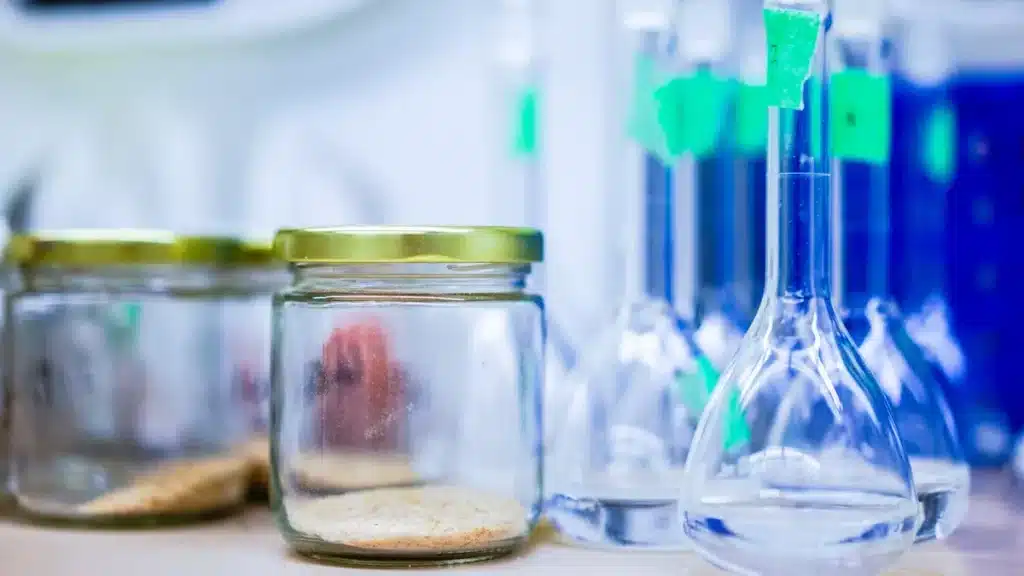
Biotechnology is crucial for the production of bio-based fumaric acid. Scientists use specialized bacteria to convert sugar and carbon dioxide into fumaric acid. This process takes place in large containers called fermenters. The bacteria utilize the citric acid cycle to complete the conversion. They break down sugar and use carbon dioxide to produce fumaric acid. Some research teams use Rhizopus fungi to help link small carbon molecules into fumaric acid.
Oxygen is essential for the process to proceed smoothly. Engineers increase the oxygen content by changing the pressure inside the fermenter, thereby promoting bacterial activity. Some systems, such as airlift circulating reactors, improve mixing by moving the liquid, thus increasing fumaric acid yield. During fermentation, scientists work to extract fumaric acid. They control the pH to prevent excessive acidity from inhibiting bacterial activity.
Comparison with Petrochemical Methods
Traditional fumaric acid production methods use petrochemical products. These methods require significant energy and produce greenhouse gases. Plants burn fossil fuels and use potent chemicals, resulting in greater pollution and a larger carbon footprint.
Bio-based fumaric acid is a cleaner option. BASF and its partners recycle carbon dioxide, thus reducing the carbon footprint. Using plant sugars helps protect the environment. Biotechnology consumes less energy and avoids the use of toxic chemicals, making it safer and better for the planet.
Note: Bio-based fumaric acid helps protect the planet by using biotechnology and renewable resources.
Environmental Impact of Bio-based Fumaric Acid
Carbon Dioxide Reduction and Sustainable Development
BASF is committed to producing fumaric acid in a more environmentally friendly way. They utilize biotechnology to convert sugars and carbon dioxide into useful substances. This helps produce products without increasing carbon dioxide emissions. Using renewable resources helps reduce greenhouse gas emissions. BASF aims to achieve healthy business development while protecting the planet.
BASF recovers carbon dioxide from its plants and uses it in its production processes. This means less carbon emissions into the atmosphere. Their green production methods help protect the planet and benefit future generations.
Products made using bio-based fumaric acid are biodegradable. These products are environmentally safe. Many companies choose these materials to protect the environment.
Life Cycle Assessment
Scientists study the impact of different production methods on the planet. They use life cycle assessments to achieve this. Research shows that using bio-based unsaturated polyester resins and fumaric acid can reduce the impact of climate change by nearly 90%. This significant reduction is due to the use of alternative materials and the capture of carbon dioxide during product manufacturing.
The following is a table of key results:
| Aspect | Bio-Based Fumaric Acid | Petrochemical Fumaric Acid |
|---|---|---|
| Climate Change Impact | Much Lower | Higher |
| CO2 Sequestration | Yes | No |
| Acidification | Higher | Lower |
| Eutrophication | Higher | Lower |
Bio-based fumaric acid helps the Earth by storing carbon dioxide. However, it may also exacerbate acidification and eutrophication. Companies are working to improve their production methods to make them more environmentally friendly.
Choosing bio-based fumaric acid can help businesses grow while also protecting the environment.
Applications and Industry Significance

Food, Feed, and Pharmaceutical Uses
Fumaric acid plays a vital role in many industries. In the food sector, companies use fumaric acid to control acidity and enhance flavor. It aids in bread fermentation and gives juices a tangy taste. Fumaric acid also inhibits the growth of harmful bacteria, thus maintaining the freshness of snacks. Many brands use fumaric acid to extend the shelf life of foods such as tortillas and desserts and improve their taste.
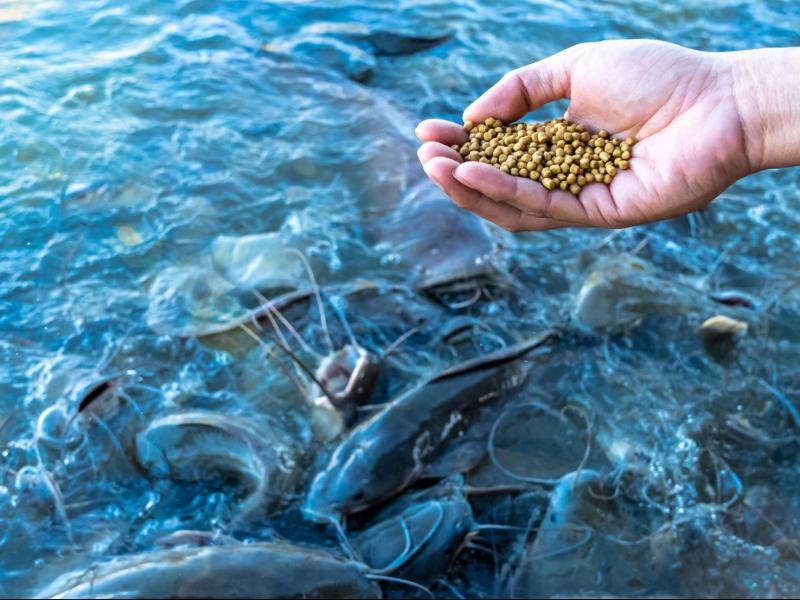
Farmers add fumaric acid to the feed of cattle and chickens. It helps animals digest food and absorb more nutrients. Fumaric acid also prevents feed from molding and spoiling. Healthier animals grow better, and their products are of higher quality.
Pharmaceutical companies use fumaric acid to produce drugs. It helps treat diseases such as psoriasis and multiple sclerosis. Fumaric acid also helps maintain the stability and effectiveness of tablets. Its strong acidity and stability make it a trusted ingredient in many health products.
NORBIDAR’s fumaric acid is a versatile product. Its excellent quality and reliable performance make it important in the food, animal feed, and pharmaceutical industries.
Industrial Applications and Future Prospects
Fumaric acid has applications far beyond the food and health industries. It is also an essential raw material for the production of unsaturated polyester resins. These resins are widely used in coatings, plastics, and building materials. These products require properties such as high strength and good heat resistance, which fumaric acid precisely meets.
Today, more and more people are paying attention to bio-based organic acids. People are increasingly concerned about the environment and desire more environmentally friendly products. Companies are also actively seeking more environmentally friendly production methods. New fermentation and biotechnology methods help reduce the cost of bio-based fumaric acid.
BASF is a leader in the production of bio-based fumaric acid. Their innovative methods help protect the planet’s environment and reduce carbon emissions. As more companies use bio-based products, the fumaric acid market will continue to grow. This will contribute to building a cleaner, greener future.
BASF places great importance on the production of bio-based fumaric acid. They collaborate with German universities, utilizing advanced biotechnology. This helps change the way chemicals are produced. Their work helps reduce carbon emissions and produce more environmentally friendly products. Many industries can learn from these innovative ideas. BASF is committed to making chemistry better for the planet and remains a leader in the industry.
FAQ
What is Bio-based Fumaric Acid?
Bio-based fumaric acid is made from renewable raw materials such as sugars and carbon dioxide. Scientists use bacteria in the laboratory to produce it. This production method helps purify the air and reduce pollution.
Why is BASF focused on bio-based production?
BASF aims to reduce carbon emissions. They use renewable raw materials, rather than consumable ones. This is not only good for the planet but also meets the needs of today’s industry.
How does bio-based fumaric acid help protect the environment?
The production of bio-based fumaric acid consumes less energy and emits fewer greenhouse gases than traditional methods. The process can recycle carbon dioxide produced in the plant, thus helping to mitigate climate change.
What are the applications of fumaric acid?
Fumaric acid is widely used in food, animal feed, pharmaceuticals, and plastics. It can improve the taste of food and extend its shelf life. It can also help manufacture durable items such as plastics.