

No, fumaric acid and maleic acid do not have the same dipole moment. This is because their structures are different. Fumaric acid has a trans configuration, while maleic acid has a cis configuration. The arrangement of the carboxyl groups affects how the charges align. The table below illustrates that fumaric acid is nonpolar and has no dipole moment, whereas maleic acid is polar and has a dipole moment.
| Acid | Dipole Moment | Polarity |
|---|---|---|
| Fumaric Acid | None | Nonpolar |
| Maleic Acid | Present | Polar |
Fumaric acid is found in many foods, including candy with fumaric acid and Fumaric Acid in Bread. People sometimes refer to it as fumarid acid.
Key Takeaways
- Fumaric acid has a trans shape. This makes it nonpolar and it has no dipole moment. Maleic acid has a cis shape. This gives it a strong dipole moment.
- The way carboxyl groups are arranged in fumaric acid and maleic acid changes their stability. It also changes how well they dissolve in water.
- Fumaric acid is stable. It is used in food and medicine because it is nonpolar. Maleic acid dissolves easily in water. It reacts fast with other chemicals.
- Knowing about dipole moments helps us guess how substances act in mixtures. This affects what we pick for food, medicine, and industry.
Fumaric Acid And Maleic Acid Structures
Cis And Trans Isomers
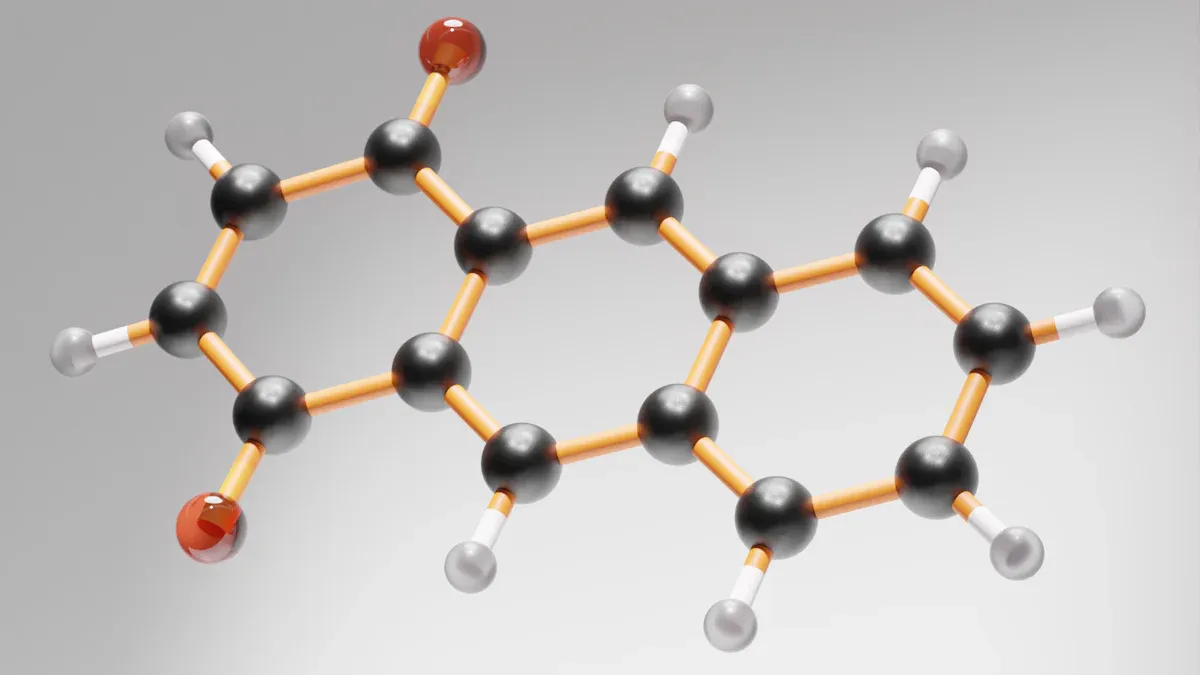
Scientists call fumaric acid and maleic acid geometric isomers. These molecules have the same atoms, but their shapes are not the same. Maleic acid has a cis shape. This means its carboxyl groups are on the same side of the double bond. Fumaric acid has a trans shape. Its carboxyl groups are on opposite sides. The cis shape in maleic acid causes more strain in the molecule. Fumaric acid’s trans shape gives it less strain and more symmetry. The cis shape lets maleic acid make internal hydrogen bonds. Fumaric acid cannot do this because its carboxyl groups are far apart. The cis shape in maleic acid makes it less stable. Fumaric acid’s trans shape makes it more stable.
The cis shape in maleic acid makes it more acidic. Fumaric acid’s trans shape helps it stick to other molecules better.
Here is a table that compares the two isomers:
| Property | Maleic Acid (Cis Shape) | Fumaric Acid (Trans Shape) |
|---|---|---|
| Carboxyl Group Position | Same side | Opposite sides |
| Geometry | More strain | Less strain |
| Symmetry | Lower | Higher |
| Stability | Lower | Higher |
| Melting Point | Lower | Higher |
Carboxyl Group Arrangement
The way the carboxyl groups are arranged changes their properties. Maleic acid’s cis shape puts both carboxyl groups close together. Fumaric acid’s trans shape puts them far apart. The cis shape in maleic acid makes it more polar. Fumaric acid’s trans shape makes it less polar. The cis shape helps maleic acid dissolve better in water. Fumaric acid’s trans shape makes it harder to dissolve in polar solvents. The cis shape in maleic acid lets it make internal hydrogen bonds. Fumaric acid’s trans shape does not let this happen. The cis shape in maleic acid changes how it reacts with other chemicals. Fumaric acid’s trans shape makes it react in a different way.
Scientists use the cis and trans shapes to guess how these acids act. The cis shape in maleic acid means it mixes more with polar things. Fumaric acid’s trans shape means it mixes less. The cis shape in maleic acid makes it less stable. Fumaric acid’s trans shape gives it a higher melting point and makes it more stable.
Dipole Moment In Fumaric And Maleic Acid
What Is Dipole Moment?
Dipole moment tells us how charges are split in a molecule. Scientists use dipole moment to see if a molecule acts like a magnet. A molecule with a dipole moment has uneven sharing of electrons. Some atoms pull electrons closer, so one side is more negative. The other side is more positive.
Fumaric acid and maleic acid both have two carboxyl groups. These groups can make dipole moments because oxygen pulls electrons. The way these groups are placed changes how charges line up. In fumaric acid, the carboxyl groups are on opposite sides. In maleic acid, the carboxyl groups are on the same side. This difference in shape changes the dipole moment.
Dipole moment helps scientists guess how molecules dissolve in water, mix with other chemicals, and react in different places.
Geometry And Dipole Moment
The shape of a molecule decides if dipole moments add or cancel. Fumaric acid has a trans shape. Its carboxyl groups point away from each other. This shape is very even. The dipole moments in fumaric acid pull in opposite ways. Because of this, the dipole moments cancel out. Fumaric acid ends up with no dipole moment.
Maleic acid has a cis shape. Its carboxyl groups sit next to each other on the same side. This shape is not even. The dipole moments in maleic acid point the same way. The dipole moments add together. Maleic acid has a strong dipole moment.
Scientists use these ideas to see how shape affects dipole moment:
- Even shapes, like the trans shape in fumaric acid, can make dipole moments cancel. This means there is no dipole moment.
- Uneven shapes, like the cis shape in maleic acid, do not let dipole moments cancel. This makes a dipole moment.
- The total dipole moment depends on how all the bond dipole moments add up. The three-dimensional shape of fumaric acid and maleic acid controls this sum.
Fumaric acid shows that even shapes can remove polarity. Maleic acid shows that uneven shapes can make polarity. Fumaric acid does not dissolve well in water because it has no dipole moment. Maleic acid dissolves easily in water because its dipole moment attracts water.
Here is a table that compares the geometry and dipole moment of fumaric acid and maleic acid:
| Molecule | Geometry (Shape) | Carboxyl Group Position | Dipole Moment | Polarity |
|---|---|---|---|---|
| Fumaric acid | Trans | Opposite sides | None | Nonpolar |
| Maleic acid | Cis | Same side | Present | Polar |
Fumaric acid and maleic acid help scientists learn how shape changes chemical properties. Fumaric acid stays stable because its dipole moments cancel. Maleic acid reacts more with water and other polar things because its dipole moments add up.
Fumaric Acid: Zero Dipole Moment
Trans Configuration Effects
Fumaric acid is special because it has a trans shape. The two carboxyl groups are on opposite sides of the double bond. This shape makes the molecule very even. The dipole moments from each carboxyl group pull in different directions. These dipole moments cancel each other out. So, fumaric acid does not have a dipole moment. Scientists call this kind of molecule nonpolar. The trans shape makes fumaric acid stable and gives it a high melting point. Fumaric acid, also called fumarid acid, keeps its shape even when it gets hot.
NORBIDAR makes fumaric acid with a strong trans shape. This is why many industries use it. Fumaric acid is used in food, medicine, and factories. The trans shape helps fumaric acid stay strong during making and mixing. Fumaric acid does not break down easily. It is also used in animal food and beauty products. The trans shape keeps fumaric acid safe and useful in these things.
Fumaric acid is important for making polyester resins. The table below shows how different industries use fumaric acid:
| Application Area | Description |
|---|---|
| Polyester Resins | Fumaric acid is a main material for making unsaturated polyester resins. These are used in cars, building, and packaging. These resins are strong and resist chemicals. |
Non-Polarity And Solubility
Fumaric acid’s trans shape makes it nonpolar. Fumaric acid does not mix well with water. The molecule does not pull water molecules close. Fumaric acid only dissolves a little in water. It dissolves better in organic solvents like ethanol and methanol. The table below shows how fumaric acid acts in different solvents:
| Solvent Type | Solubility Description |
|---|---|
| Water | Dissolves a little, about 6 grams in 100 mL at room temperature. |
| Organic Solvents | Dissolves well in organic solvents like ethanol and methanol. |
Fumaric acid is nonpolar because of its trans shape. Fumaric acid does not make strong bonds with water. Fumaric acid, or fumarid acid, is picked for products that need to be stable and not mix with water. Fumaric acid helps keep food fresh and safe. It also helps make strong materials in factories. The trans shape and nonpolar nature make fumaric acid a good choice for many things.
Fumaric acid, sometimes called fumarid acid, shows how the trans shape changes chemical properties. Its nonpolar nature makes it different from maleic acid. Fumaric acid stays stable and useful in many industries.
Maleic Acid: High Dipole Moment
Cis Configuration Effects
Maleic acid is special because it has a cis shape. Both carboxyl groups are on the same side. This makes the dipoles point in one direction. The molecule has a strong dipole moment. Maleic acid does not have symmetry like fumaric acid. Because of this, the dipoles do not cancel.
Scientists see some effects from the cis shape in maleic acid:
- The carboxyl group dipoles add up to make one big dipole.
- The molecule bends, which makes it more polar.
- The carboxyl groups are close, so they can make hydrogen bonds inside.
- The shape makes maleic acid react more in some chemical reactions.
Maleic acid shows that a small change in shape can change properties a lot. The cis shape gives maleic acid a bigger dipole moment than fumaric acid. This changes how maleic acid acts in water and other liquids.
Polarity And Solubility
Maleic acid is polar. Its strong dipole moment pulls water molecules close. This helps maleic acid dissolve in water easily. Maleic acid mixes well with other polar things. The high polarity lets maleic acid make hydrogen bonds with water. These bonds help maleic acid break apart and spread out in water.
The table below shows how well maleic acid and fumaric acid dissolve in water:
| Molecule | Solubility in Water (g/100 mL at 25°C) |
|---|---|
| Maleic acid | 78 |
| Fumaric acid | 0.6 |
Maleic acid’s high solubility makes it useful in many jobs. Food makers use maleic acid to change how sour drinks and candy taste. Scientists use maleic acid in labs because it reacts fast with other chemicals. The strong polarity also helps maleic acid work as a good starting point for making other chemicals.
Maleic acid’s cis shape and strong dipole moment make it different from fumaric acid. Its shape, polarity, and solubility give maleic acid special features.
Comparing Dipole Moments: Fumaric Vs Maleic
Quantitative Data (Debye Values)
Scientists use the Debye unit to measure dipole moment. This unit shows how much charge is split in a molecule. Fumaric acid has a dipole moment almost at zero Debye. Its trans shape makes the dipoles from each carboxyl group point away from each other. These dipoles cancel out, so there is no dipole moment. Maleic acid has a dipole moment of about 1.4 Debye. Its cis shape puts both carboxyl groups on the same side. The dipoles add up and make a strong dipole moment.
The Debye values show that structure changes polarity. Fumaric acid stays nonpolar, but maleic acid is polar.
Scientists use these numbers to guess how the acids act in mixtures. Fumaric acid does not pull water molecules close. Maleic acid pulls water and dissolves fast. The Debye values help explain why fumaric acid and maleic acid dissolve and react differently.
Physical And Chemical Differences
Dipole moment changes many physical and chemical properties. Fumaric acid and maleic acid have different melting points, boiling points, and solubility. Fumaric acid melts at a higher temperature than maleic acid. Its trans shape makes strong forces between molecules. These forces hold fumaric acid molecules together tightly. Maleic acid has a cis shape and weaker forces. Its molecules do not pack well, so it melts at a lower temperature.
Fumaric acid and maleic acid also boil at different temperatures. Fumaric acid is hard to boil because its molecules stick together. Maleic acid boils more easily because its molecules come apart faster. The dipole moment explains these changes. Fumaric acid, with no dipole moment, forms strong crystals. Maleic acid, with a strong dipole moment, forms weaker crystals.
Scientists use lab tools to tell the acids apart. Infrared (IR) spectroscopy helps find each acid by its absorption bands. The table below shows how their IR absorption is different:
| Acid Type | Structure Type | IR Absorption Characteristics |
|---|---|---|
| Maleic Acid | Cis | Unique absorption bands |
| Fumaric Acid | Trans | Distinct absorption bands |
Fumaric acid and maleic acid also react in different ways. Fumaric acid stays stable in most reactions. Maleic acid reacts quickly because its dipole moment attracts other molecules. The cis shape in maleic acid lets it make hydrogen bonds inside. Fumaric acid cannot do this because its carboxyl groups are far apart.
The dipole moment differences change how each acid works in food, medicine, and industry. Fumaric acid gives stability and strength. Maleic acid mixes easily with water and reacts fast.
Fumaric acid and maleic acid show that small structure changes can make big property changes. Fumaric acid is nonpolar and strong. Maleic acid is polar and flexible. Scientists and industry workers pick fumaric acid or maleic acid for these reasons.
Why Dipole Moment Matters
Solubility And Stability
Dipole moment is important for how fumaric acid and maleic acid act. Fumaric acid does not have a dipole moment. This means it does not mix well with water. Maleic acid has a strong dipole moment. It dissolves in water very easily. The reason for this is their shapes. Fumaric acid has a trans shape, so it is nonpolar. Maleic acid has a cis shape, so it is polar.
When we think about how well something dissolves, we ask: How strong are the forces between the compound and the solvent? If the solvent is polar, like water, a bigger dipole moment helps the substance dissolve. If the solvent is non-polar, like hexane, the opposite happens.
Fumaric acid is very stable in many places. Its trans shape lets the molecules fit close together. This tight packing gives fumaric acid a high melting point. It also makes it less likely to react with other chemicals. Maleic acid has a cis shape, so it does not pack as well. This makes maleic acid less stable and lowers its melting point. Scientists use this stability difference to pick the right acid for each job.
Industrial And Practical Implications
Many industries use fumaric acid because of its special features. Food makers put fumaric acid in bread, candy, and drinks. It helps control sourness and keeps food fresh longer. Fumaric acid stays good during storage and heating because it is stable. Medicine makers use fumaric acid because it does not break down easily. In animal food, fumaric acid helps animals stay healthy.
The difference in stability also changes how these acids react. The table below shows how dipole moment affects reactivity:
| Compound | Dipole Moment | Reactivity Implications |
|---|---|---|
| Maleic Acid | Yes | Higher polarity may enhance reactivity with polar solvents. |
| Fumaric Acid | No | Lower polarity may reduce interactions with polar substances. |
Fumaric acid is safe to use in food and medicine. Safety groups have checked and approved it. The table below shows the safety status:
| Regulatory Body | Status | Notes |
|---|---|---|
| FDA | GRAS | Safe for consumption in recommended amounts. |
| JECFA | ADI | No evidence of harm even at high intake levels. |
| EU | Approved | Recognized as a food additive and pharmaceutical ingredient. |
Fumaric acid’s nonpolar nature and high stability make it a great choice for many uses. Maleic acid, with its high dipole moment, works better when fast mixing or reacting with water is needed. The dipole moment helps people pick the best acid for each use.
Fumaric acid and maleic acid help us see how shape changes dipole moment. Fumaric acid has a trans shape, so it does not have a dipole moment. Maleic acid has a cis shape, so it has a strong dipole moment. Fumaric acid helps scientists guess how chemicals will act. It is used to make food, medicine, and other products better. Fumaric acid makes things last longer and stay stable. It helps engineers build better magnets and sensors. Fumaric acid can protect machines from problems. Students learn about molecules by studying fumaric acid. Professionals use it to make smart choices. Fumaric acid helps make products safer and work better.
FAQ
What is the main difference between fumaric acid and maleic acid?
Fumaric acid has a trans shape. Maleic acid has a cis shape. This shape difference changes their dipole moments. It also changes how well they dissolve in water.
Why does fumaric acid have no dipole moment?
The carboxyl groups in fumaric acid point away from each other. Their dipole moments pull in opposite directions. These pulls cancel out. This makes fumaric acid nonpolar.
How does dipole moment affect solubility?
Molecules with a high dipole moment, like maleic acid, mix well with water. Nonpolar molecules, like fumaric acid, do not mix easily with water.
Where do industries use fumaric acid?
Industries use fumaric acid in food, animal feed, medicine, and factories. It helps control sourness, keeps food fresh, and makes strong products.