
You might be surprised if you get a rash or stomach pain after eating your favorite snack. Sometimes, even a small ingredient like fumaric acid can make your body react in a way you did not expect. True allergies to food additives do not happen often, but people still worry about how safe they are.
- Fewer than 1% of adults and up to 2% of kids have said they had allergic reactions to food additives.
Here are some common worries about fumaric acid in foods:
| Concern Type | Description |
|---|---|
| Regulatory Approval | The FDA says it is Generally Recognized As Safe (GRAS) and does not set a limit for how much you can eat. |
| Oral Irritation | Eating a lot at once may bother your mouth or stomach. |
| Allergic Reactions | Rare skin rash or hives can happen, but this usually happens with high amounts or certain types. |
| Medication Side Effects | Flushing, diarrhea, or nausea may happen in people who take derivatives for health problems. |
Key Takeaways
- Fumaric acid is safe for most people. Allergic reactions are rare. Less than 1% of adults have problems. About 1-2% of kids report issues.
- Signs of a fumaric acid allergy are skin rashes, stomach pain, and flushing. If you see these signs after contact, talk to a doctor.
- Always check product labels for ‘fumaric acid’ or ‘E297’ if you have an allergy. This helps you make smart choices.
- If you think you have an allergy, keep a journal of your symptoms. Talk to your doctor about it. Patch tests can help find out if you are allergic.
- Get medical help right away if you have bad symptoms. These include trouble breathing or swelling after using something with fumaric acid.
Fumaric acid overview
Typical Applications and Everyday Uses of Fumaric Acid
You might not notice how often you see fumaric acid. It is a white solid and tastes like fruit. Its chemical formula is C4H4O4. Scientists found it in 1817. Today, it is in many things you use every day.
NORBIDAR is a trusted company with over 15 years of work. They make high-quality fumaric acid for many businesses. You can find it in food, animal feed, personal care, and other products. In food, it works as an acidulant and preservative. It keeps food fresh and gives a strong tart taste. This taste is even stronger than citric acid. Bakers use it to help bread and cakes feel better. People who make drinks add it to sodas and juices for sourness.
In animal feed, fumaric acid helps animals and fish digest food. It is also in personal care items like creams and scrubs. It helps remove dead skin and makes skin look brighter. Some medicines use it because it fights oxidation. Factories use it to make resins and plastics that are tough and can handle heat.
Note: The U.S. Food and Drug Administration says fumaric acid is safe. It also meets world food safety rules.
Common Sources of Fumaric Acid Exposure in Daily Life
You can find fumaric acid in many foods and other things. Here are some common places you might see it:
| Product Type | Example Uses |
|---|---|
| Fruit drinks | Makes drinks sour and controls acid |
| Gelatine desserts | Improves taste and texture |
| Pie fillings | Keeps them fresh and adds tart flavor |
| Baked goods | Helps bread rise with baking soda |
| Jams and jellies | Helps them gel and taste good |
| Cosmetics | In creams, scrubs, and masks |
| Medications | Used in some drugs for health |
| Cleaning agents | Helps remove stains and control acid |
| Industrial products | Used in resins and plastics |
Fumaric acid is in many things you use every day. It is in food and in skin creams. NORBIDAR makes sure their fumaric acid is safe and high quality for all these uses.
Allergic reactions to fumaric acid
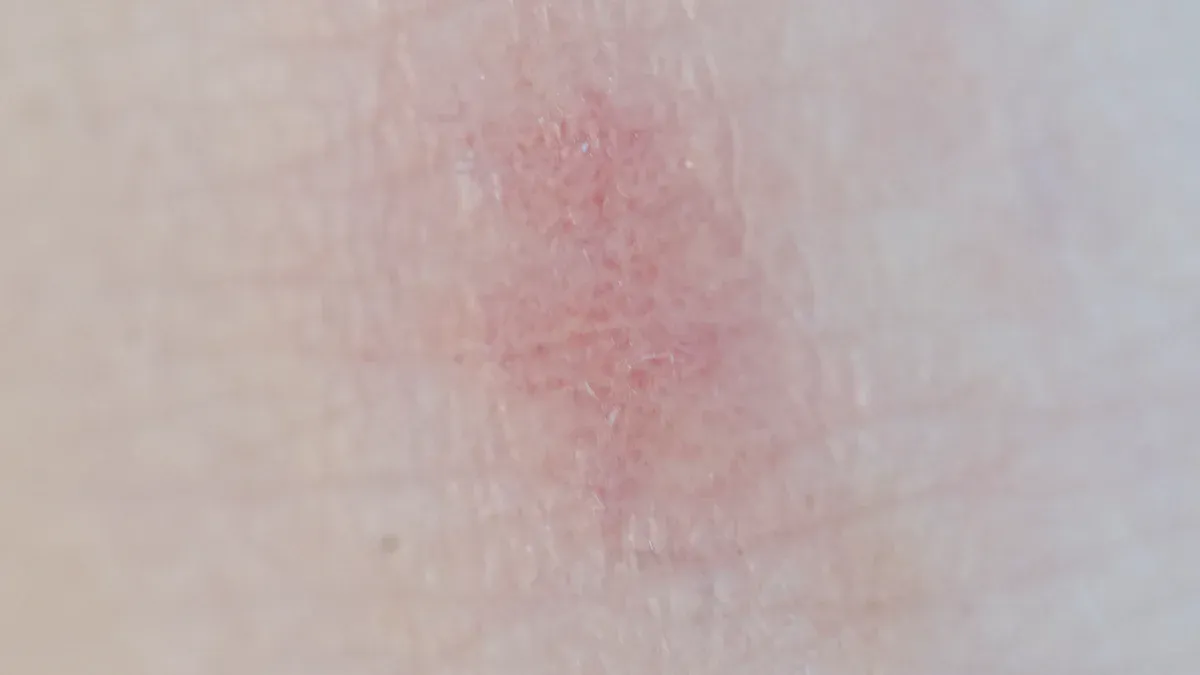
Common Symptoms Associated with Fumaric Acid Allergies
Most people do not have trouble with fumaric acid. Allergic reactions are not common, but they can still happen. If your body reacts, you might see some symptoms. These can show up on your skin or in your stomach.
Here is a table that lists some usual symptoms people have noticed:
| Symptom | Description |
|---|---|
| Flushing | Your face or skin can turn red and feel hot. |
| Gastrointestinal | You may get stomach pain, feel sick, throw up, or have diarrhea. |
| Pruritus | Your skin might feel itchy. |
You could also get swelling, a rash, or hives. Some people might have headaches too. If you notice these signs after eating or touching something with fumaric acid, pay close attention. There was a case where a 68-year-old woman got a very itchy rash after taking medicine with fumaric acid esters for her skin. Her rash went away when she stopped the medicine. This means allergic reactions can happen, even if they are rare.
Allergic Contact Dermatitis Caused by Fumaric Acid and Its Esters
Allergic contact dermatitis is a skin problem. It happens when your skin touches something that causes an allergy. Fumaric acid and its esters, like dimethyl fumarate, can sometimes cause this.
You might see these signs if you have allergic contact dermatitis:
- Bad, sudden eczema that shows up on your skin.
- Skin problems linked to things like sofas or shoes. For example, people in northern Europe got “sofa dermatitis” after sitting on furniture with dimethyl fumarate. In Spain, some people got “shoe dermatitis” from shoes with this chemical.
- Doctors use patch tests to check if you have this allergy. Sometimes, you can react to other similar chemicals too.
If your skin gets red, itchy, or swollen after touching something new, you might have allergic contact dermatitis. These skin problems can be uncomfortable and may last until you stop using the product. You should talk to a doctor if you think you have this. Some people can also have stomach problems, but skin issues are more common.
If you ever get a rash, itching, or other strange symptoms after using a new product, you should stop using it and ask a doctor for help.
How common are fumaric acid allergies?
Prevalence of Fumaric Acid Allergies in the General Population
You might ask how many people react to fumaric acid. Real allergies to this food additive are very rare. Most people eat foods with it and feel fine. Doctors say less than 1% of adults have any reaction to food additives. For kids, the number is a little higher, about 1-2%. Kids with eczema or asthma may have a bigger chance of reacting.
Here are some facts to help you understand:
- Most people do not have problems with fumaric acid.
- Allergic reactions to food additives are rare for adults.
- Kids with allergies may react more than others.
- Doctors see more reactions in kids than in adults.
These allergies do not happen much. Most people can eat foods with fumaric acid and not worry.
Potential Risk Factors That May Increase Susceptibility to Fumaric Acid Allergies
Some people have a bigger chance of getting an allergy or sensitivity to fumaric acid or its esters, like fumarate. You might want to know what makes someone more likely to react.
| Risk Factor | Description |
|---|---|
| Atopic history | If you have eczema, asthma, or hay fever, your risk goes up. |
| Age | Children react more often than adults. |
| Previous reactions | If you have reacted to other food additives, you may be more sensitive. |
| Exposure to esters | Products with fumarate esters, such as dimethyl fumarate, can cause more skin reactions. |
If you see signs like a rash or stomach pain, talk to your doctor. Knowing your risk helps you make smart choices about what you eat and use.
Managing a fumaric acid allergy
Diagnosing Fumaric Acid Allergy
If you think you have a fumaric acid allergy, talk to your doctor. Your doctor will ask about your symptoms and when they happen. Doctors use patch tests to check for allergies. Patch tests help see if your skin reacts to fumaric acid or its esters, like dimethyl fumarate.
- Patch tests use very tiny amounts, like 0.003% or 0.005%, so your skin does not get too irritated.
- The doctor puts a little of the substance on your skin and checks for a reaction after a few days.
You can also keep a journal of your symptoms. Write down what you eat, use, or touch every day. This helps your doctor find patterns and make a better diagnosis.
Avoiding Fumaric Acid Exposure
If you know you are allergic to fumaric acid, you need to avoid it. Always read the labels on foods, cosmetics, and medicines. In the US and EU, labels must show ingredients in order by weight. Look for “fumaric acid” or E297 on the label.
| Key Label Element | What to Look For |
|---|---|
| Product Name | Fumaric acid or E297 |
| List of Ingredients | Check for fumaric acid in the list |
| Warnings and Precautions | Any allergy or safety warnings |
Fumaric acid is safe for most people, but you should be careful if you have an allergy. You can get help from groups like the Allergy & Asthma Network, Food Allergy Research & Education, and Kids With Food Allergies. These groups give tips, recipes, and advice for people with food additive allergies.
When to Seek Medical Help
If you get a rash, swelling, or stomach pain after using a product, stop using it right away. Ask your doctor about antihistamines if you feel itchy. If you have trouble breathing or faint, call 911 or go to the emergency room.
If you do not treat a fumaric acid allergy, your skin and allergies can get worse over time. Always tell your doctor or pharmacist about new or bad symptoms. Acting early helps you stay safe and healthy.
Allergies to fumaric acid do not happen often, but they are possible. Most people use things with fumaric acid and do not have problems. Health experts say it is safe:
| Health Authority | Status |
|---|---|
| FDA | Safe |
| EFSA | Safe |
| JECFA | Safe |
| EU Regulation | Approved |
If you feel sick after using a product, tell your doctor. Always read labels and learn about what you use. You keep yourself healthy by being careful and asking for help.
FAQ
Can you develop a fumaric acid allergy later in life?
Yes, you can develop an allergy at any age. Your body may start reacting after repeated exposure. If you notice new symptoms, talk to your doctor.
What foods most often contain fumaric acid?
You find fumaric acid in fruit drinks, baked goods, jams, and candies. Check ingredient labels for “fumaric acid” or “E297” to stay informed.
How do you know if a product contains fumaric acid?
Look at the ingredient list on the package. You may see “fumaric acid” or its code “E297.” If you have questions, ask the manufacturer.
Is fumaric acid safe for children?
Health experts say fumaric acid is safe for most children. If your child has allergies or sensitive skin, watch for symptoms and consult your doctor.
What should you do if you suspect an allergy to fumaric acid?
Stop using the product right away. Write down your symptoms. Call your doctor for advice. If you have trouble breathing, seek emergency help.